2026: The Year Timber Construction Becomes Mainstream — Yes, Really
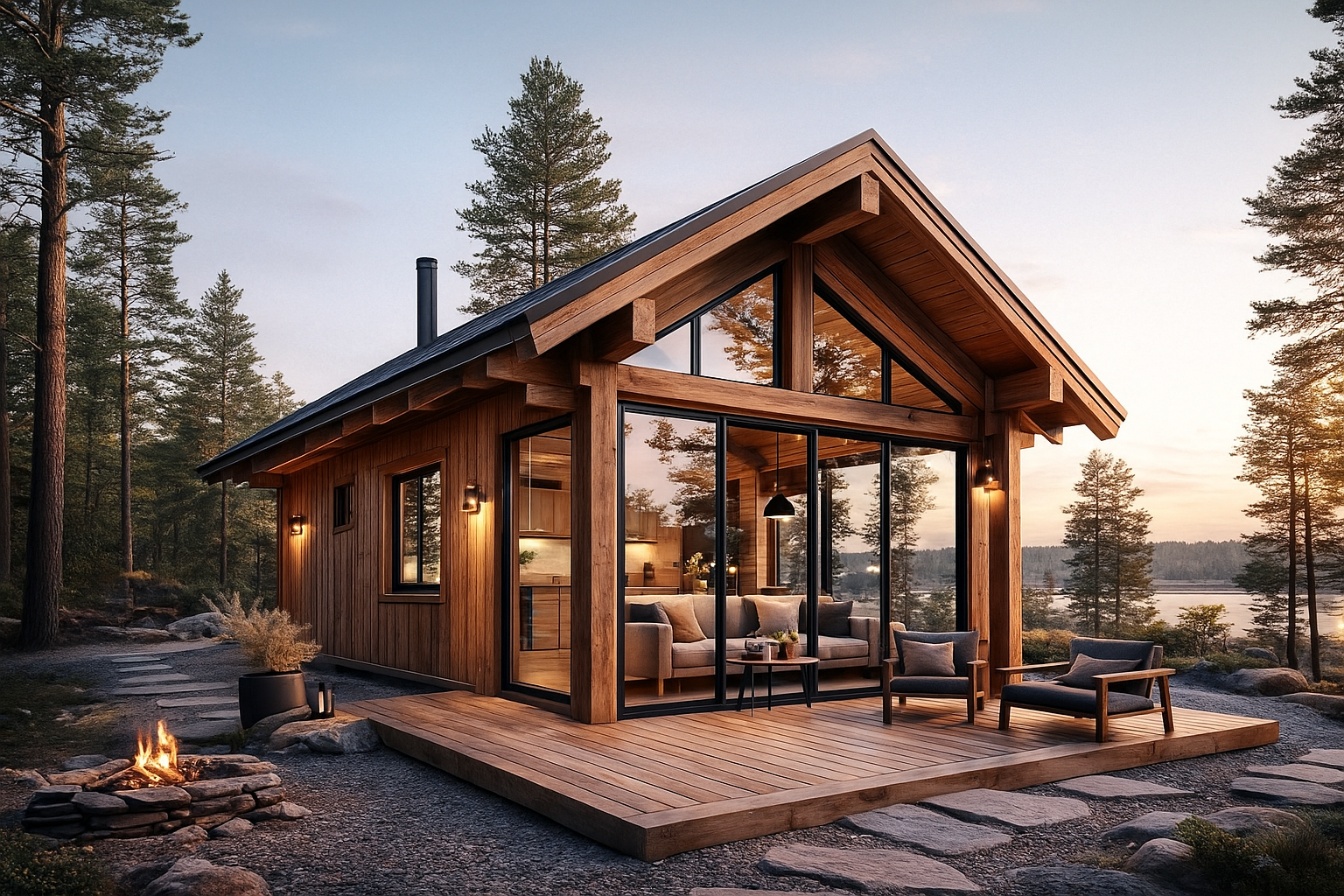
Timber construction is no longer just for cabins, eco-retreats, and people who own too many chisels. In 2026, wood is moving into cities, policies, insurance reports, factories, and serious construction pipelines. Here’s why timber may finally be crossing from niche to normal.
Let’s admit it: for a long time, timber construction had a reputation problem.
To some people, “building with wood” meant a cozy cabin, a garden shed, or that one uncle who insists he can build an entire house with a chainsaw, three clamps, and “common sense.”
Meanwhile, concrete and steel sat at the grown-up table.
They had skyscrapers. Stadiums. Infrastructure. Engineers in serious jackets.
Wood had romance.
But 2026 is starting to look different.
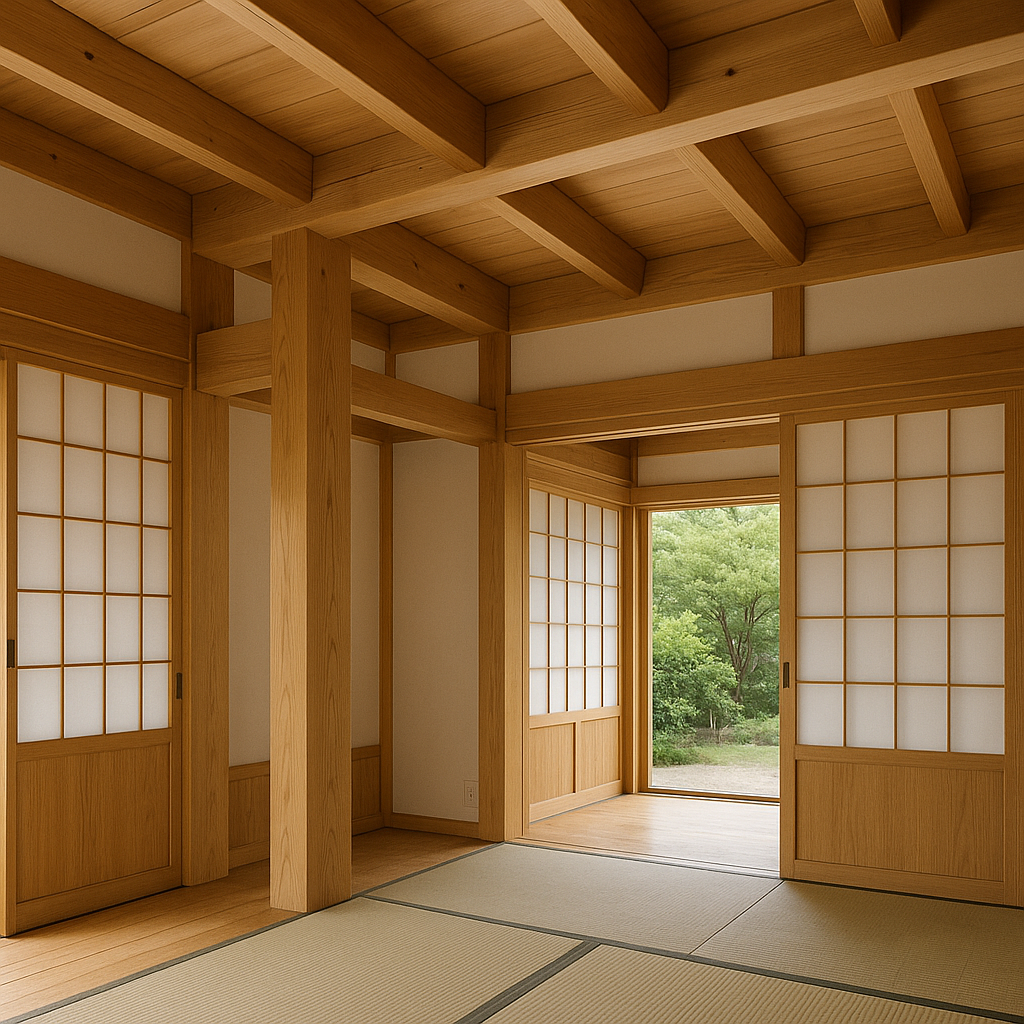
Timber construction is no longer just a charming alternative for people who love exposed beams and the smell of fresh sawdust. It is moving into policy documents, city housing strategies, insurance reports, factory production lines, and serious commercial projects.
In other words: timber is getting invited to the grown-up table.
And this time, it brought drawings, carbon data, prefabricated panels, and a spreadsheet.
From “Nice Idea” to Real Building Strategy
The biggest shift in 2026 is not that timber suddenly became beautiful. It was always beautiful.
The shift is that timber is becoming practical at scale.
Across Europe and North America, wood-based construction is being discussed less as a design style and more as a serious construction method. Cities want lower-carbon buildings. Developers want faster construction. Governments want housing delivered with less environmental damage. Builders want systems that can be prefabricated, transported, and assembled with fewer surprises.
Timber fits neatly into that conversation.
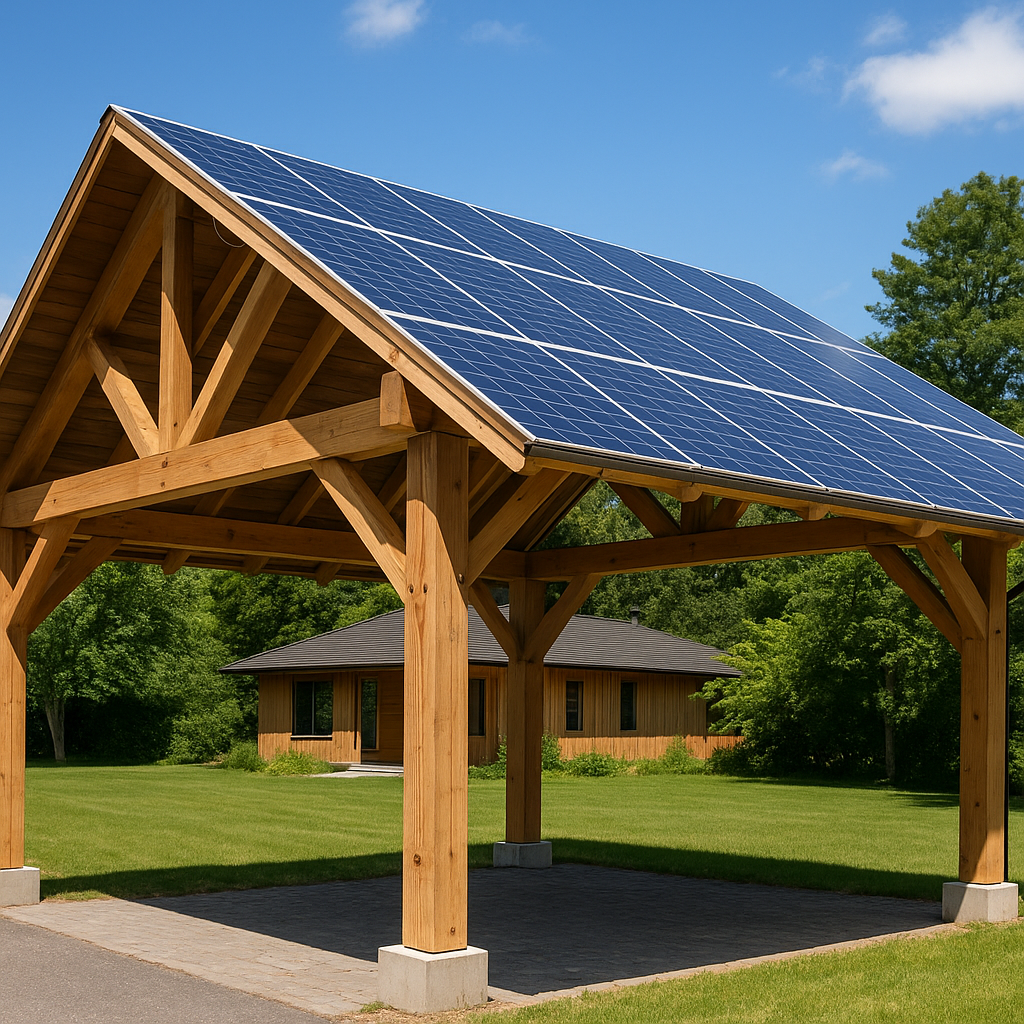
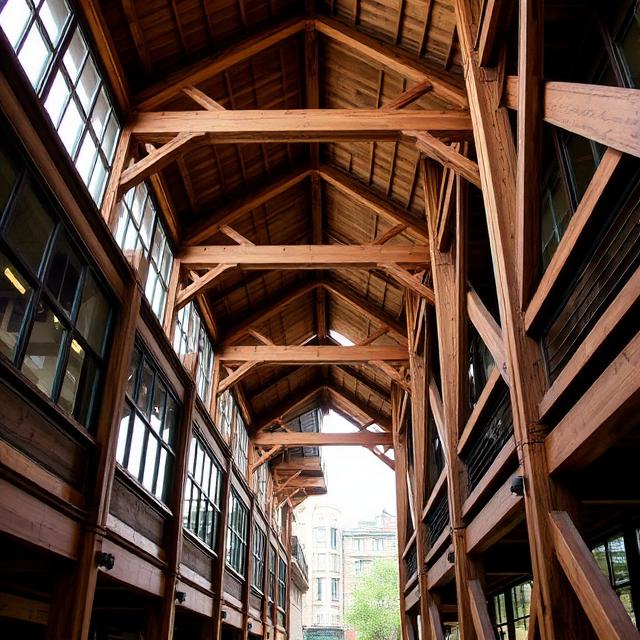
Mass timber products like CLT, glulam, and LVL allow wood to behave more like an engineered building system than a random pile of boards. Traditional timber framing, meanwhile, remains highly relevant for homes, barns, cabins, garden buildings, workshops, and small commercial spaces where speed, clarity, and buildability matter.
And here is the important part:
This is not just about “eco vibes.”
It is about schedules, cost control, repeatability, and reducing chaos on site.
Which, if you have ever watched a construction project slowly turn into a weather-dependent group therapy session, is a pretty big deal.
Policy Is Pushing Timber Forward
One of the clearest signs that timber construction is becoming mainstream is that governments and city regions are now actively promoting it.
The Amsterdam Metropolitan Area is a good example. Its timber construction pact for 2026–2030 continues a regional push toward more wood and bio-based building, following earlier targets for timber housing. The pact brings together municipalities, developers, knowledge institutions, and industry partners around the same basic idea: timber construction should not remain a boutique experiment. It should become part of normal housing production.
The European Union is also moving in this direction. In 2026, CINEA highlighted LIFE projects such as BE-WoodEN and WOOD for Future, focused on timber-based construction, local value chains, skills, and greener housing. The message is simple: wood is not just a material choice; it is part of a wider strategy around decarbonization, affordability, circularity, and local production.
That matters.
Because when timber is only promoted by architects, it remains a trend.
When cities, insurers, developers, and public funding programs start paying attention, it becomes an industry.
The Insurance World Has Entered the Chat
Now for the less romantic part: insurance.
Nobody puts “insurance risk assessment” on a Pinterest board. It does not look good next to a photo of a sunlit oak frame.
But it is one of the biggest signs that timber construction is maturing.
In 2026, Zurich published analysis on insuring mass timber projects, focusing on risks like fire, moisture, and construction-phase management. That may sound like bad news, but it is actually a sign of progress. Insurers do not spend time building serious guidance around a material nobody uses. They do it when the market is real enough to require rules, risk models, and better site practices.
The takeaway is not “timber is risky.”
The takeaway is:
Timber needs proper planning.
That means moisture management. Fire strategy. Good storage. Correct sequencing. Better detailing. Clearer documentation. And fewer moments where someone says, “Just leave those panels uncovered for the weekend, what could happen?”
Wood is forgiving in many ways.
Water damage during construction is not one of them.
Prefabrication Is Timber’s Secret Weapon
One reason timber construction is gaining momentum is that it works beautifully with prefabrication.
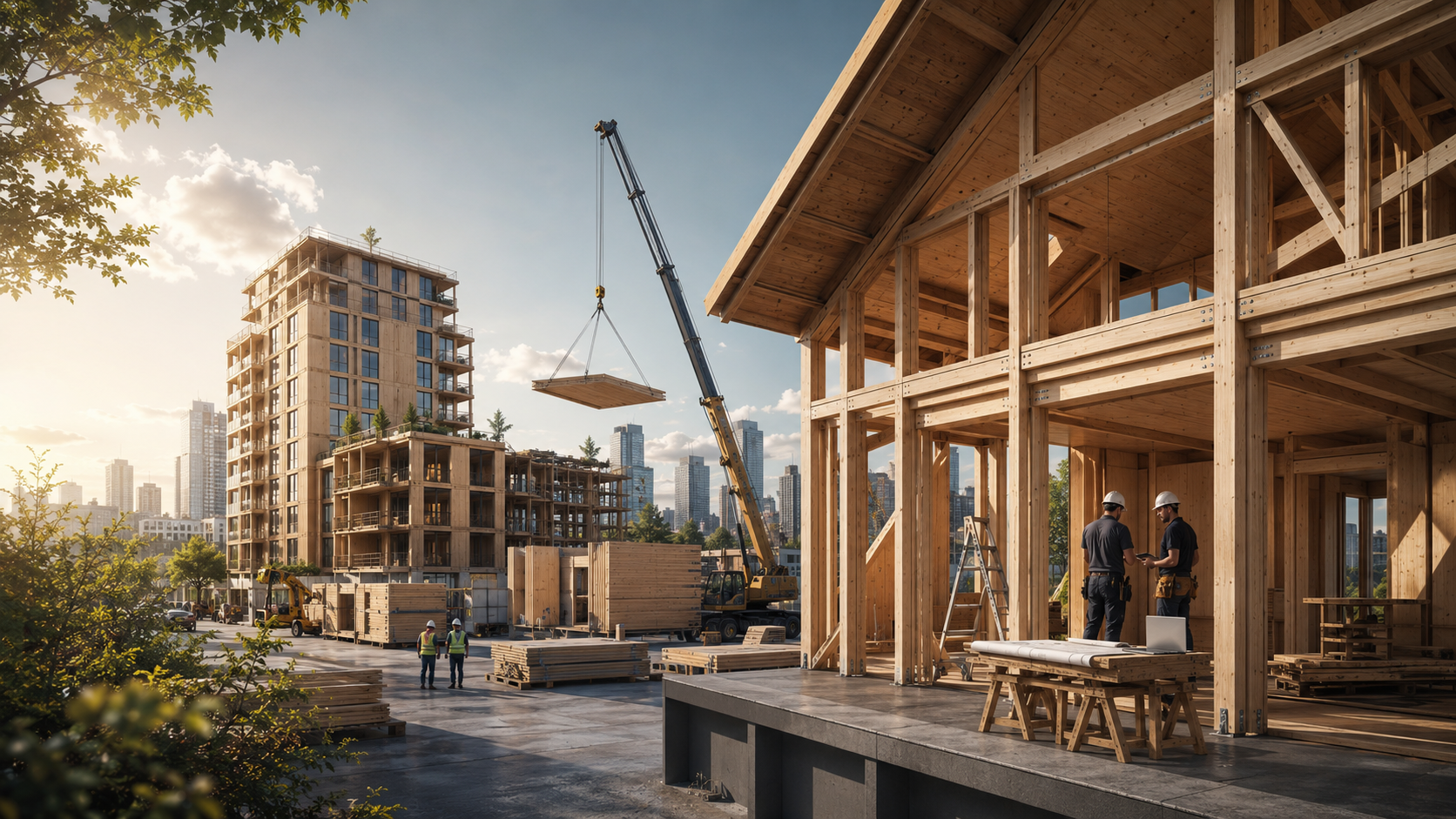
A timber-frame wall, roof panel, floor cassette, or mass timber element can be designed digitally, cut accurately, transported to site, and assembled quickly. That changes the construction process from “figure it out in the mud” to “prepare it properly before the truck arrives.”
This is where timber becomes especially powerful for smaller builders and DIY-focused projects too.
You may not be building a 20-storey mass timber tower. But if you are building a shed, cabin, extension, garden office, or small timber-frame house, the same principle applies:
The better the design before cutting, the smoother the build after cutting.
A clean cut list saves money.
A clear plan saves time.
Accurate dimensions save arguments.
And good snapping in a design tool can save you from discovering, halfway through assembly, that your “rectangle” is actually a very confident parallelogram.
AI and Software Will Matter More Than Hype
2026 is also the year when construction software needs to get more honest.
It is no longer enough to generate a pretty wooden house image with golden-hour lighting and a dog sitting on the porch.
That is nice.
But can the frame actually stand?
Are the posts aligned?
Are the wall plates continuous?
Do the rafters land somewhere useful?
Can the builder generate a cut list?
Can the design move from screen to saw?
Researchers are already looking at AI benchmarks for timber-frame construction, including datasets that test whether generated structures are geometrically and constructively valid. That matters because timber building is not just an aesthetic. It is a system of rules, loads, connections, tolerances, and sequences.
This is where tools like browser-based timber design software become important.
Not because software replaces the builder.
But because software can reduce the dumb mistakes before they become expensive mistakes.
A good tool should not just draw beams.
It should help you think like a builder.
The Real Mainstream Moment: Normal People Start Using It
Here is the most interesting part.
Timber construction becomes mainstream not when one famous architect designs a spectacular wooden tower.
It becomes mainstream when normal builders, small crews, homeowners, and DIYers start choosing timber because it is practical.
Not because it wins awards.
Because it is understandable.
Because it can be planned.
Because it can be cut.
Because it can be assembled without needing a concrete pump, a steel fabrication team, and seventeen meetings about procurement.
That is where timber has always had a hidden advantage.
People understand wood.
They can touch it. Cut it. measure it. repair it. modify it.
And with better engineered products, better digital tools, better policy support, and better prefabrication workflows, wood is no longer just “traditional.”
It is becoming modern again.
Which is slightly funny, considering humans have been building with timber for thousands of years.
Apparently, the future needed a reminder from the past.
So, Is 2026 Really the Year?
Maybe not in the dramatic “everything changes overnight” way.
Concrete and steel are not packing their bags.
Timber will not replace every building type, and it should not. Some projects need other materials. Some sites are wrong for wood. Some designs require engineering that goes far beyond enthusiasm and a YouTube playlist.
But 2026 does feel like a turning point.
Policy is moving.
Markets are growing.
Insurers are paying attention.
Prefabrication is improving.
AI and design tools are getting more serious.
And builders are realizing that timber is not just beautiful.
It is fast, logical, flexible, and deeply human.
So yes: timber construction is becoming mainstream.
Not because it became trendy.
Because it finally became too useful to ignore.
Final silly note: if concrete had a smell, maybe people would love it more. Until then, timber still wins the workshop perfume contest by a mile.