DeWalt, Makita, or Milwaukee? The 2025 Timber Framer’s Power Tool Trifecta — Decoded
Choosing between DeWalt, Makita, and Milwaukee in 2025 isn’t about brand loyalty—it’s about torque, battery ecosystems, durability, and how each tool performs in real timber framing conditions. Here’s the honest breakdown.
No favoritism. No brand bias. Just torque, runtime, and one slightly singed glove.
Opener:
Choosing between these three is like choosing a favorite child—if your children cost $200, occasionally throw sparks, and silently judge you for drilling white oak with a dull bit.
Walking into a tool aisle in 2025 feels like stepping into a sci-fi weapons depot. Brushless motors. Batteries heavier than lunch. Drills with specs longer than your shopping list.
For timber framers—whether you're raising a backyard pergola or a full 3,000 sq ft / 280 m² post-and-beam home—the Big Three rule the jobsite:
DeWalt. Makita. Milwaukee.
But which one deserves a place in your belt pouch?
Spoiler: There’s no universal winner.
There’s only what fits your workflow, wood type, and tolerance for chaos.
Let’s get into it.
🔋 The Real Secret: You’re Not Buying a Tool, You’re Buying an Ecosystem
Forget torque for a second.
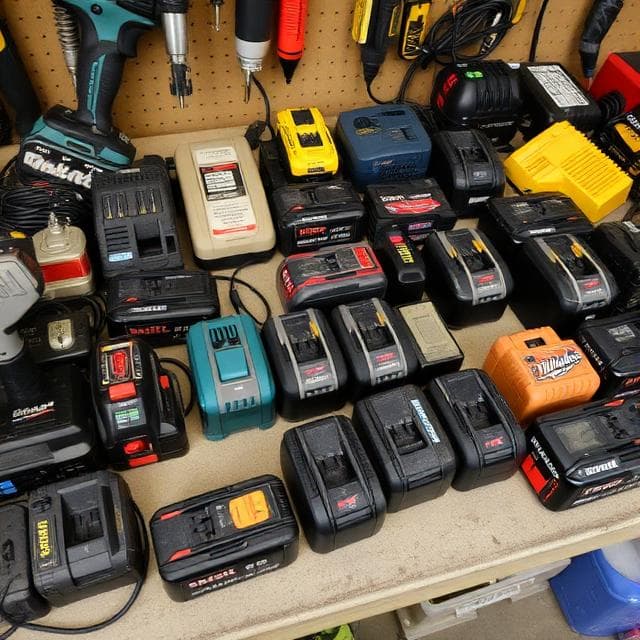
What you’re really choosing is a battery ecosystem—a shared power source for every tool you will own for the next 5–10 years.
Each brand builds its own “world”:
DeWalt — 20V MAX / FlexVolt
Fast, efficient, enormous range. The “Let’s get it done yesterday” brand.
Makita — 18V LXT
Balanced, predictable, 200+ compatible tools. Quiet confidence.
Milwaukee — M18 / M12
Aggressive power, long runtime, built like a brick with feelings.
If you mix brands, congrats—you now own 3 chargers, 5 battery formats, and new anxiety about which pack fits what.
🛠️ The Workhorse Showdown: ½" Brushless Drill/Drivers (2025)
Here’s the real, workshop-smart breakdown—no marketing fluff.
Milwaukee ½" Brushless (2025 M18 Fuel)
- Torque: ~1,400 in-lbs (158 Nm)
- Weight (bare): ~4.2 lbs (1.9 kg)
- Behavior: A bulldozer with manners. Excellent for 6"–10" (150–250 mm) structural lag screws in Douglas fir and oak.
- Best for: Pros who push tools 8 hours/day.
DeWalt ½" Brushless (2025 Atomic/XR)
- Torque: Medium range, high speed
- Weight: ~3.2 lbs (1.45 kg)
- Behavior: Fast, compact, nimble. Great for layout, pilot holes, dowel/peg holes, and overhead work.
- Best for: Carpenters who value speed, ergonomics, and repeatability.
Makita ½" Brushless (2025 LXT)
- Torque: Moderate, extremely smooth delivery
- Weight: ~3.6 lbs (1.63 kg)
- Behavior: Quiet, precise, balanced.
- Best for: Hobbyists, weekend builders, or anyone who wants “smooth” over “aggressive.”
Neutral Humor:
Milwaukee feels heavier not because it’s clunky—
but because it’s dense with confidence.
🪵 Timber-Specific Reality: What Actually Matters on a Frame?
Timber framing ≠ drywall hanging.
You’re drilling ¾" / 19 mm peg holes, driving 10" / 250 mm lags, and punching through dense old-growth beams.
✅ Torque Matters… but Not Alone
- Milwaukee wins raw power—but can overpower softwoods.
- DeWalt balances torque and speed—excellent for repetitive drilling.
- Makita offers unmatched trigger control—perfect for precise fitting.
✅ Runtime Changes the Day
In cold weather:
- Milwaukee REDLITHIUM™ HD12.0 wins.
- Makita LXT drains slowly and consistently.
- DeWalt FlexVolt is powerful but expensive.
⚠️ Safety Note (Real, Not Funny):
The CPSC issued recalls in late 2025 due to thermal runaway fires.
Stick to UL/ETL/CSA-certified packs.
Your eyebrows and shop insurance will appreciate it.
🧍 Who Should Buy What?
Here’s the personality match that actually works.
👷♂️ The Hobbyist (Shed, small pergola, playhouse)
Choose: Makita
Balanced, reliable, zero drama. Batteries last. Tools are everywhere.
Punchline:
“You don’t need a race car for grocery runs—just something that starts in the rain.”
🔨 The Pro Carpenter (5+ houses/year)
Choose: DeWalt
Fast. Lightweight. Excellent LEDs. Minimal fatigue when working overhead.
Punchline:
“If DeWalt were an employee, it would show up early, skip lunch, and still ask what’s next.”
🏗️ The Timber Frame Entrepreneur (Full shops & big contracts)
Choose: Milwaukee
Power. Durability. 5-year warranty. Laughs at hardwood.
Punchline:
“Milwaukee tools don’t fail. They just develop personality.”
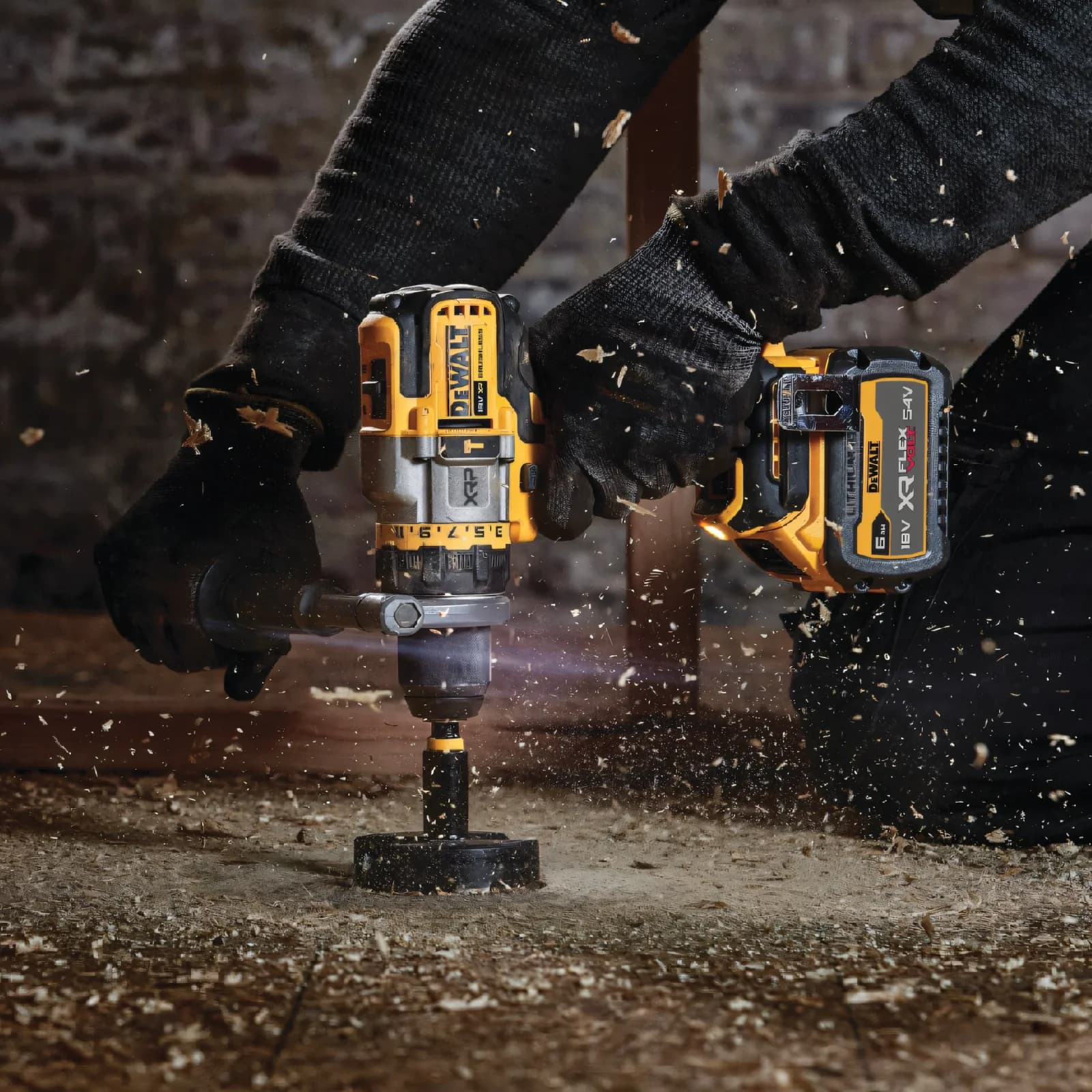
🧪 2025 Wildcard: The DeWalt Multi-Head Drill (DCD799)
This thing is a Swiss Army drill:
- Standard head
- Right-angle head
- Offset head
- Impact driver head
For timber framing, the right-angle head alone is worth it—you can drill peg holes inside a tight knee brace without disassembling the joint.
Neutral Humor:
“It’s like owning four tools but only having to explain one receipt to your accountant.”
🪚 Final Verdict: Don’t Overthink It — Build Something
All three brands make:
- Brushless motors
- Contractor-grade durability
- Excellent ergonomics
- Long-life batteries
- Tools that will outlive your current truck
Instead of asking:
❌ “Which is best?”
Ask:
✅ “Which ecosystem do I want to grow over the next 5 years?”
Simple Rule of Thumb
- Speed & compact power → DeWalt
- Smooth precision → Makita
- Maximum torque & jobsite abuse resistance → Milwaukee
And remember:
A timber frame built with DeWalt might go up faster.
A timber frame built with Makita might go up smoother.
A timber frame built with Milwaukee might survive a tornado.But built with skill?
It will stand 200 years—long after the brand wars are forgotten.