Europe Backs Robot-Built Timber Housing with Digital Twins and AI
The EU-funded PTAH project will test robotic microfactories, digital twins and adaptive construction in a two-storey timber demonstrator.
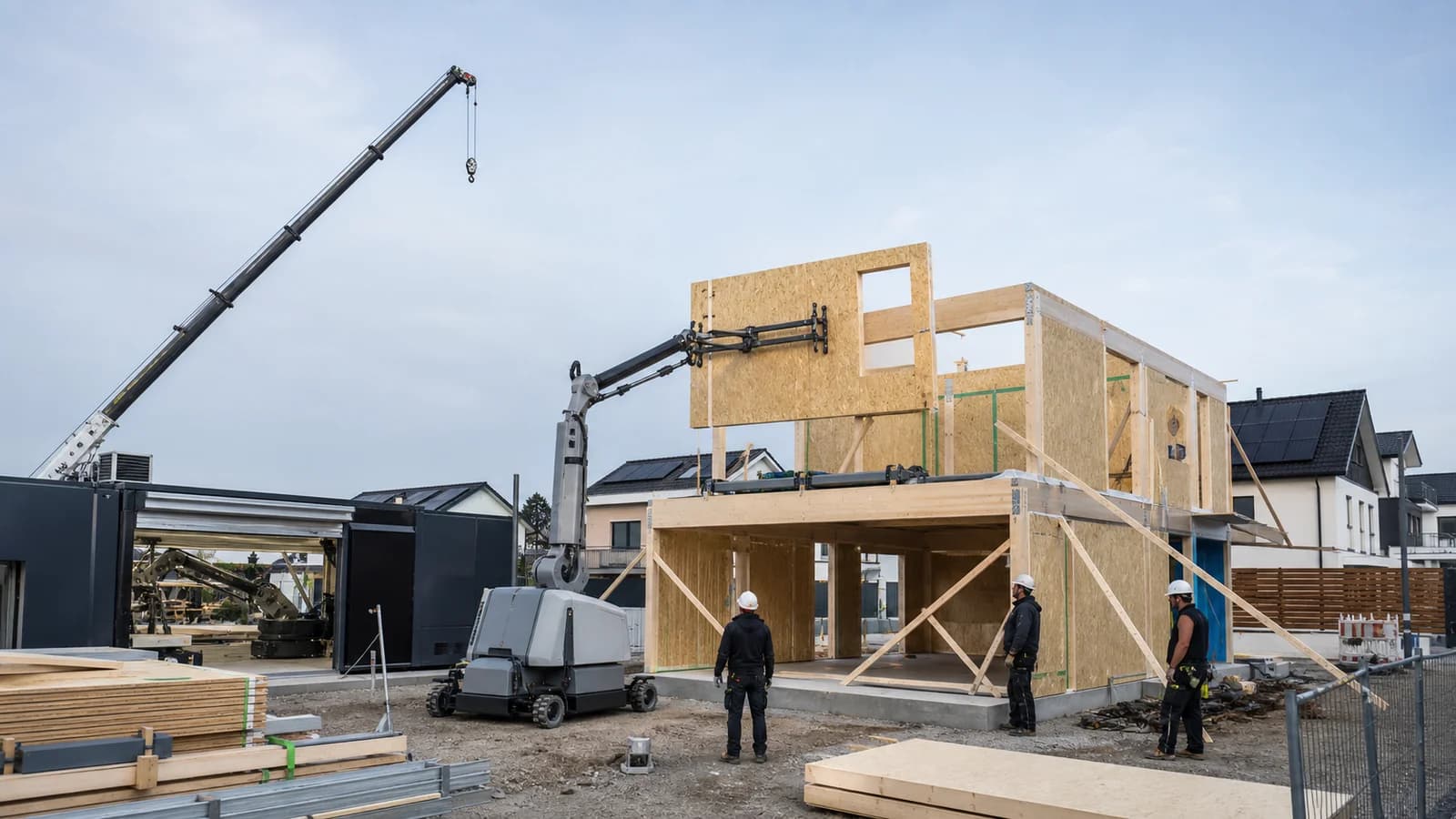
Could a compact team and a fleet of mobile robots build timber housing directly on site? A new European research project intends to find out.
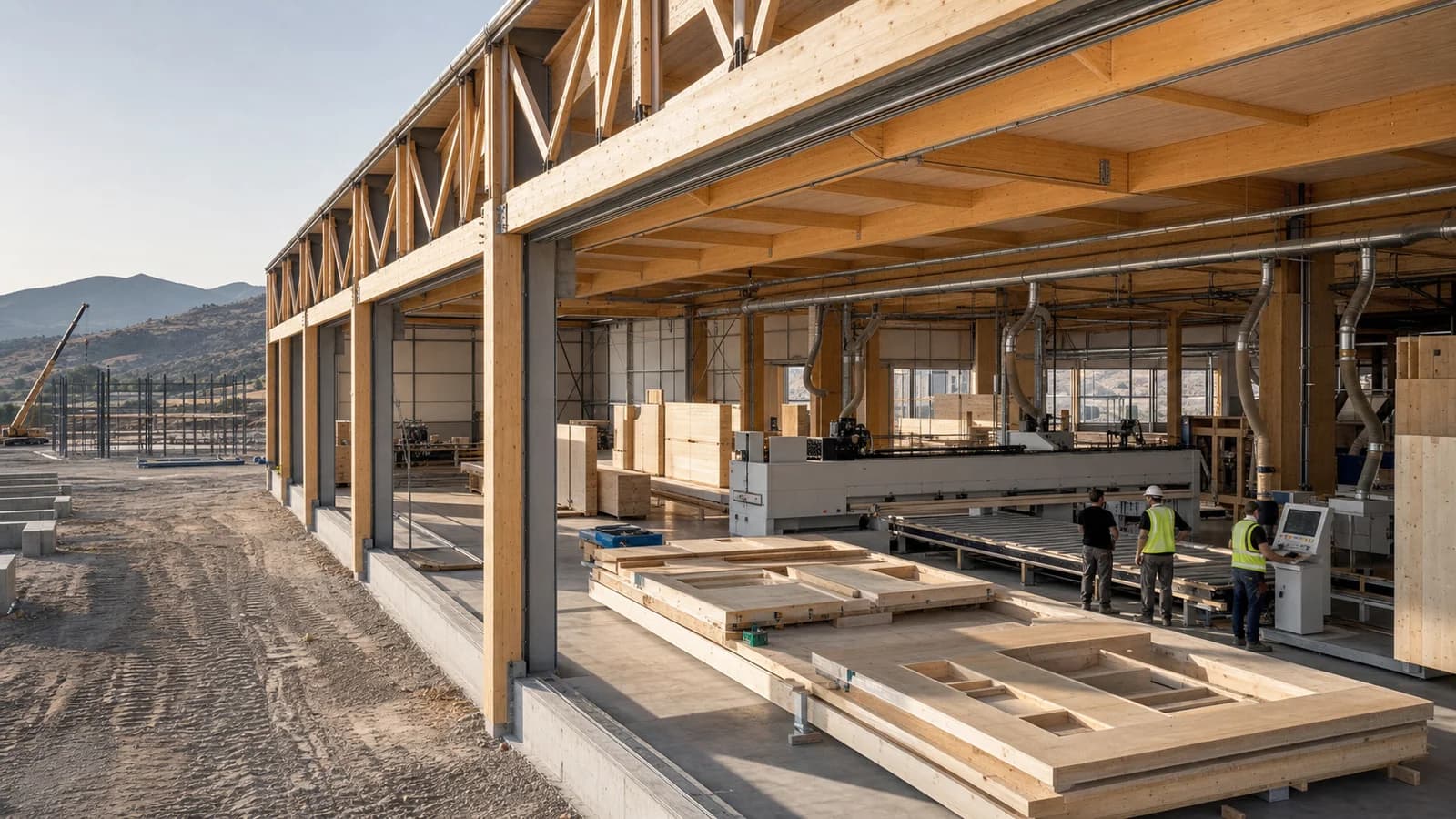
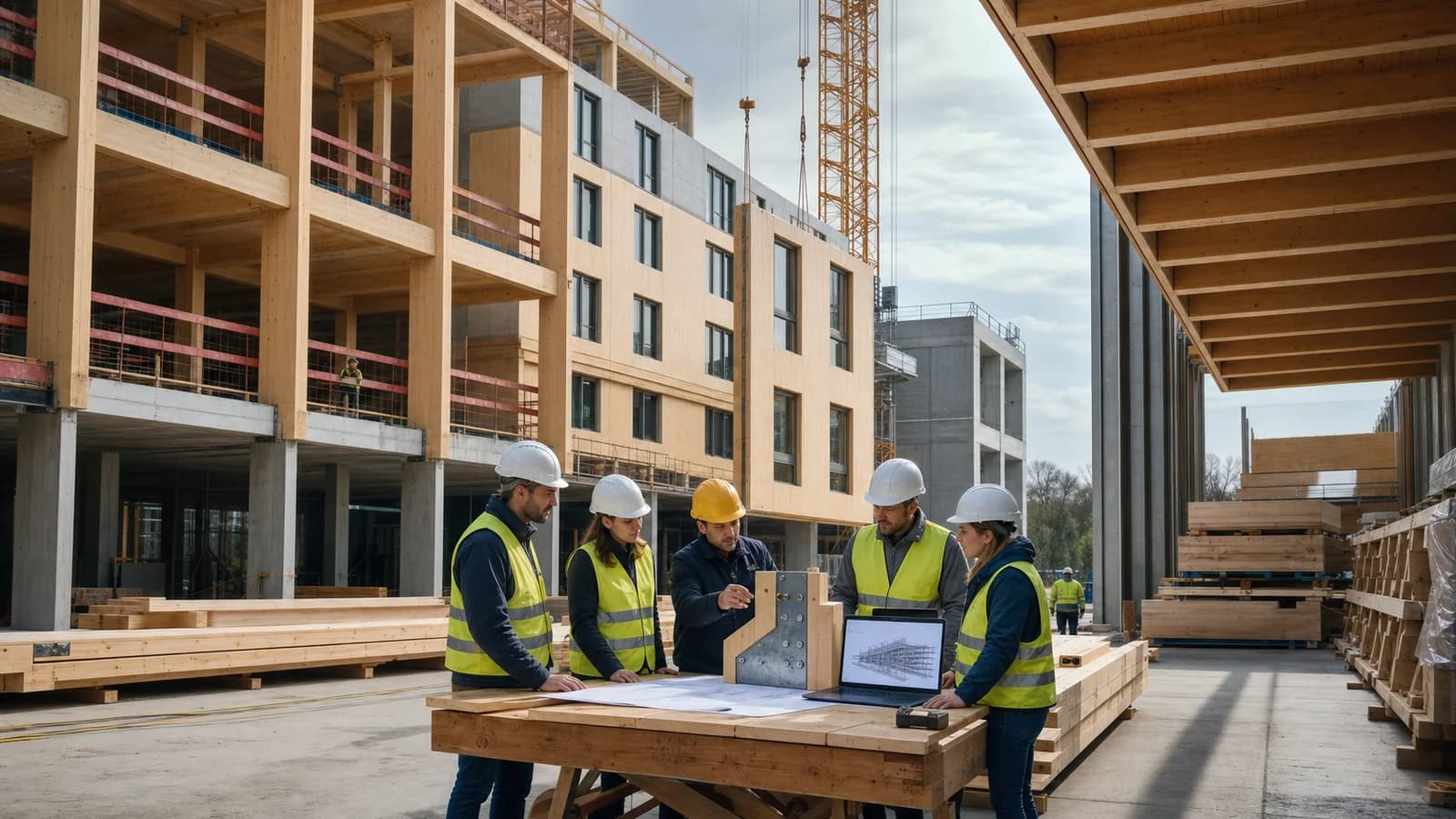
PTAH, an EU-funded project coordinated by the University of Sheffield, is scheduled to begin in September 2026. Its goal is to develop a construction system based on robotic microfactories, semi-autonomous cranes, mobile manipulators and continuously updated digital twins.
The concept targets one of construction’s hardest problems: transferring the precision of factory automation to a changing building site.
From static plans to adaptive assembly
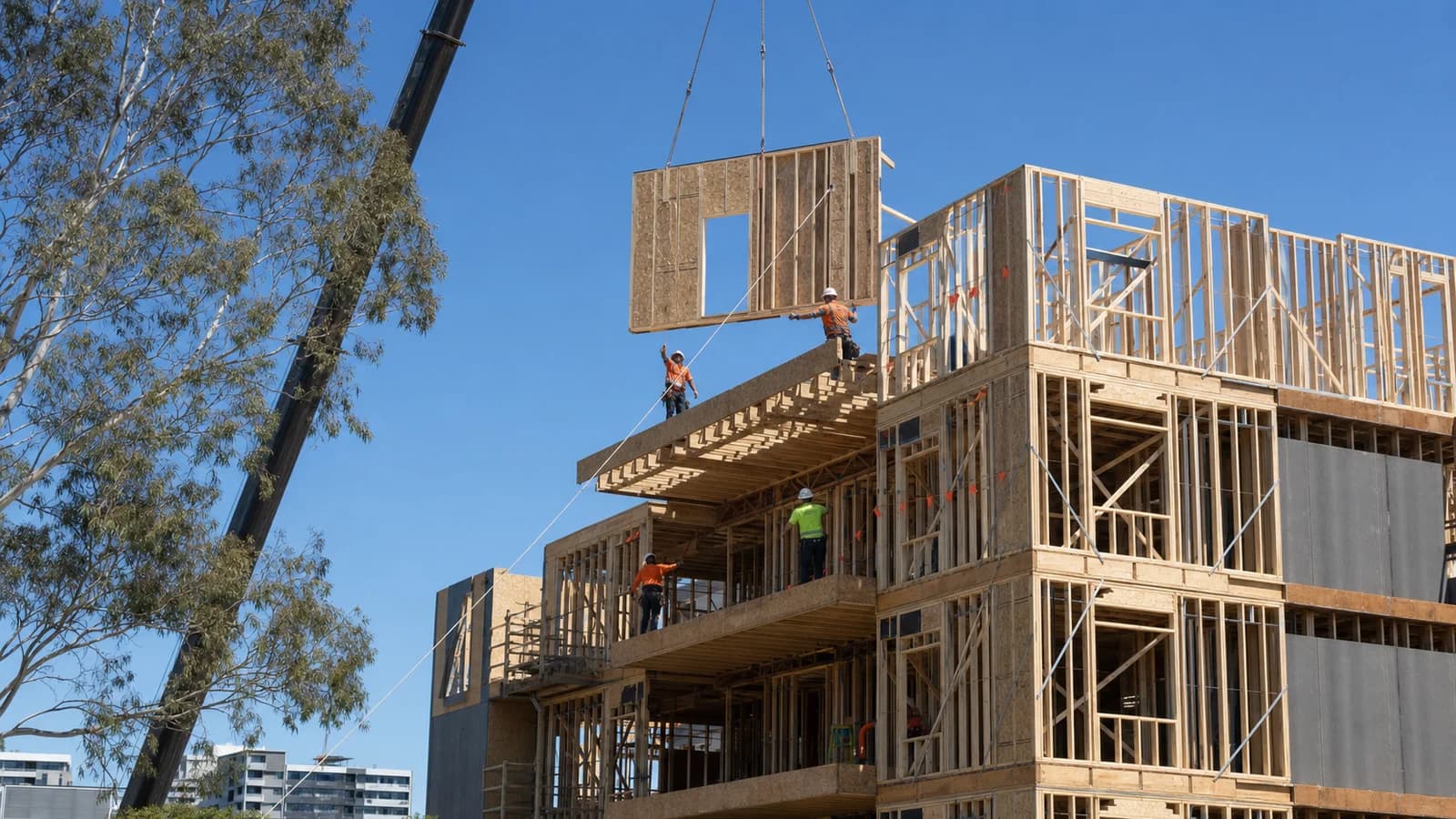
Traditional prefabrication relies on controlled factory conditions. PTAH proposes a different model. Robots and lifting equipment would work close to the building, while sensors compare the installed structure with the digital model.
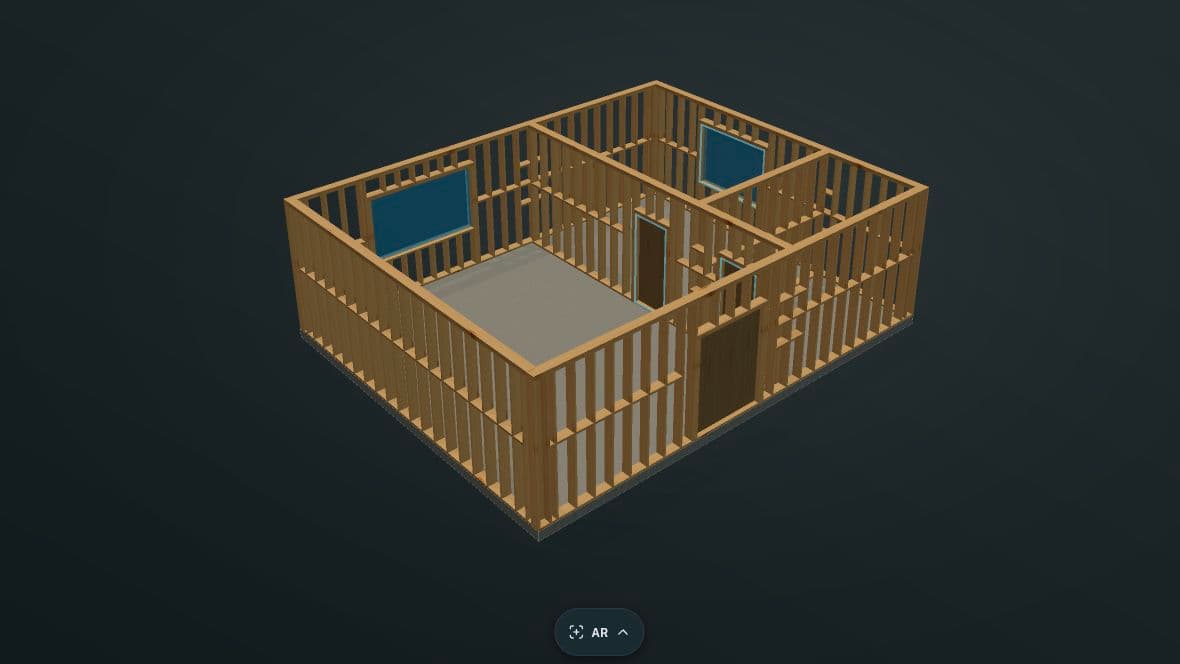
If real site conditions differ from the plan, the system is intended to update tasks and sequencing rather than continue from outdated geometry. That feedback loop could be particularly valuable in timber construction, where prefabricated elements demand accurate positioning and reliable connections.
The research programme includes a two-storey, robot-ready timber pavilion. It is expected to demonstrate the approach at Technology Readiness Level 4, meaning validation in a laboratory or representative environment—not a finished commercial product.
Why timber is a natural test case
Timber components are relatively light, can be digitally fabricated and often arrive with precise connection geometry. These characteristics make them suitable for robotic handling, but the project still needs to solve navigation, safety, tolerances, temporary support and coordination between machines and people.
For architecture and engineering software, the implications are significant. A model used by construction robots cannot contain only visual geometry. It needs component identity, exact dimensions, assembly order, connection logic and real-time status.
PTAH should therefore be watched as more than a robotics experiment. It is a test of whether the digital model can become an active construction system.
The project is planned to run until August 2029. Its first results will not instantly transform housing delivery, but they may show what an automated, traceable and adaptable timber workflow could look like.
Source: European Commission CORDIS, “PTAH – Pervasive Timber Assembly Hub”: https://cordis.europa.eu/project/id/101307365