Andalusia Starts Building Its First Industrialised Timber-Construction Factory
IberoLam Timber & Technology has begun work on a new factory in Valderrubio, moving a University of Granada research initiative toward commercial off-site construction.
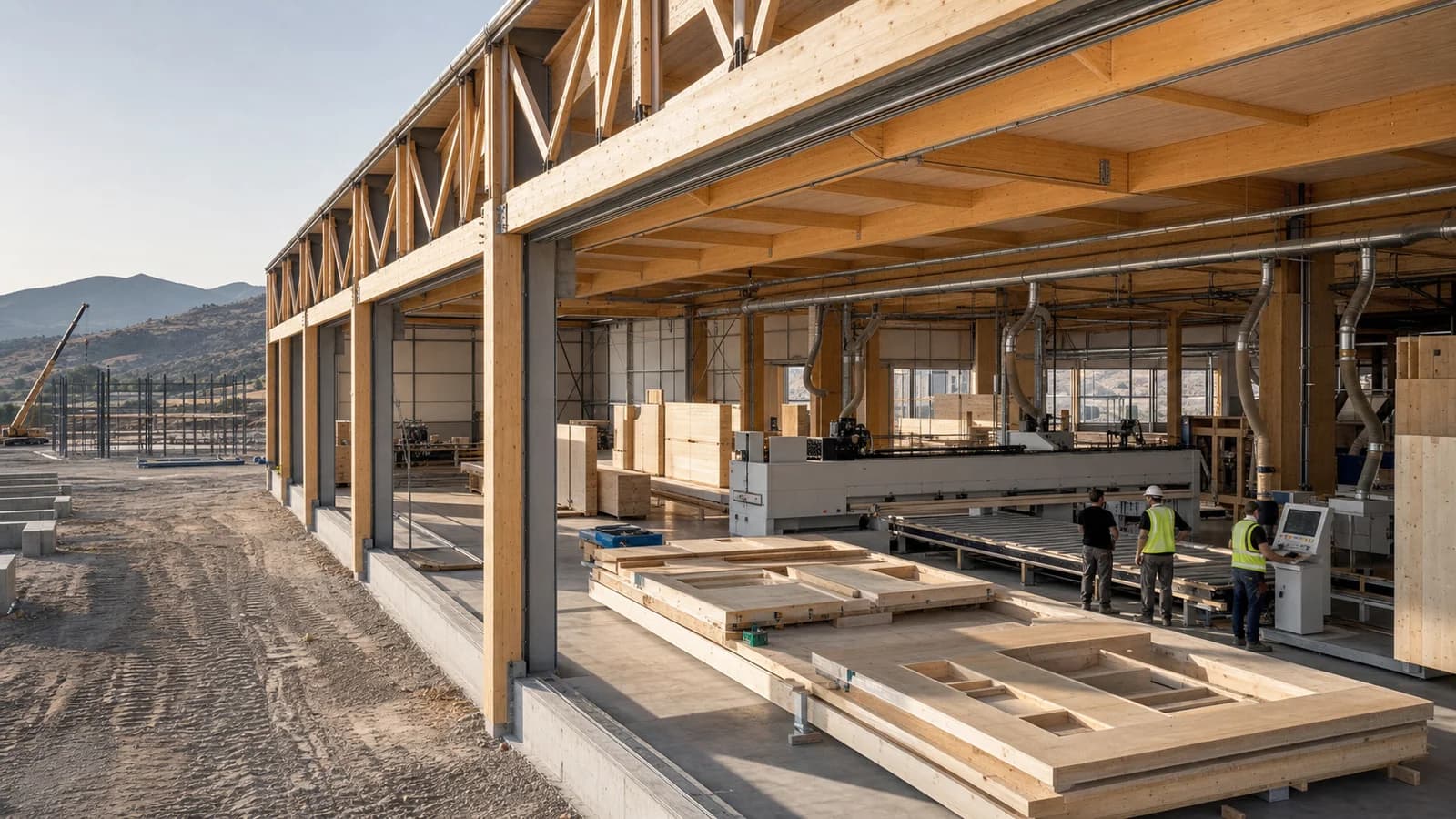
Andalusia is preparing its first factory dedicated to industrialised timber construction. Work began in March 2026 on the IberoLam Timber & Technology facility in Valderrubio, Granada.
The company emerged as a spin-off from the University of Granada and the European LIFE Wood for Future programme. It now aims to move research and prototype knowledge into repeatable building production.
That transition—from project-based experimentation to a permanent factory—is an important step for southern Spain’s timber sector.
From university research to a production line
IberoLam’s development was supported by a capital increase completed in December, which brought regional property and construction companies Pérez Lázaro and Tecnosgra into the shareholder group. The project also received support from the Andalusian government’s TRADE programme.
The combination is notable. Universities can test materials, assemblies and environmental performance, but a commercial factory must also solve throughput, quality control, procurement, delivery and market demand.
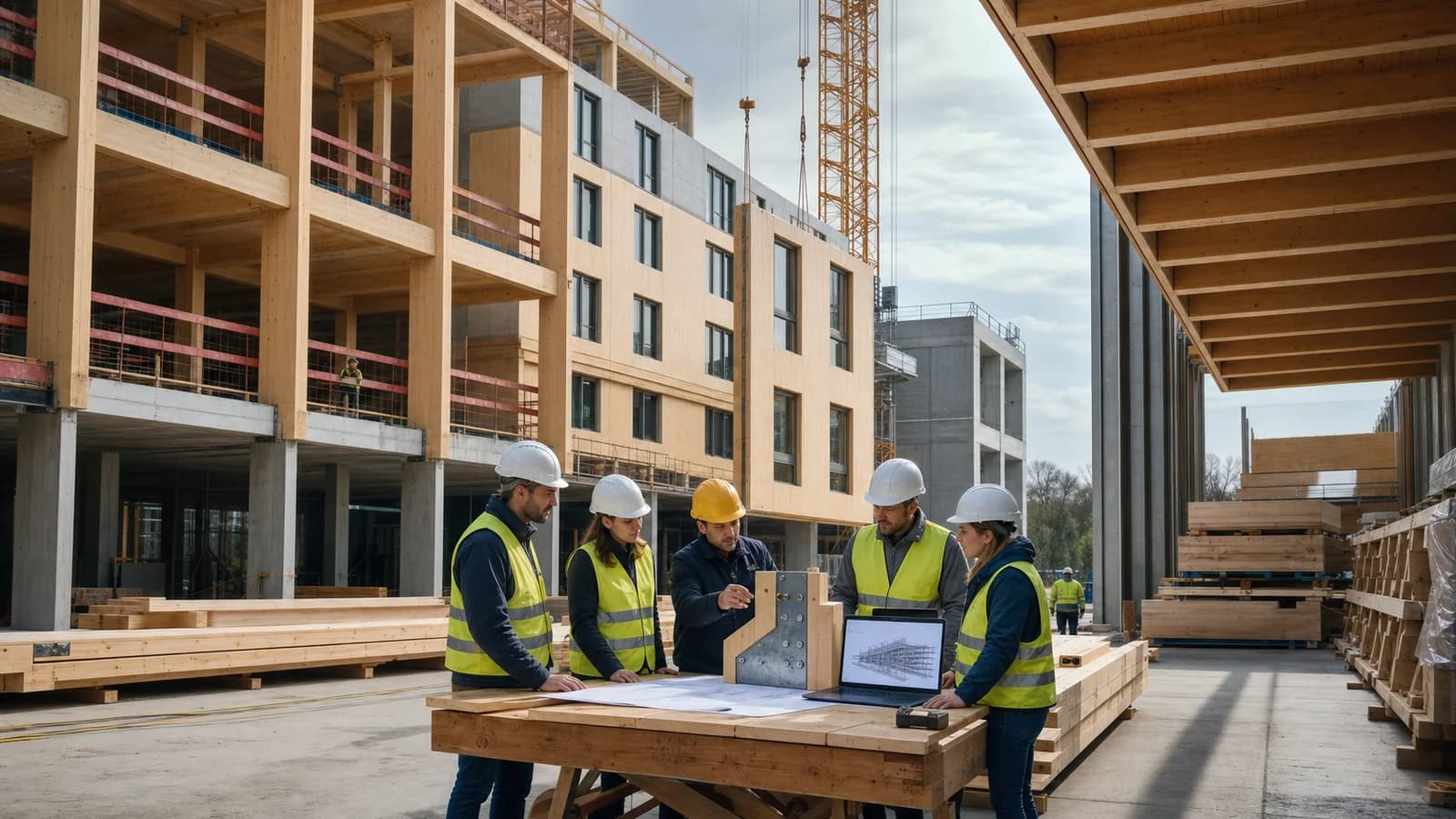
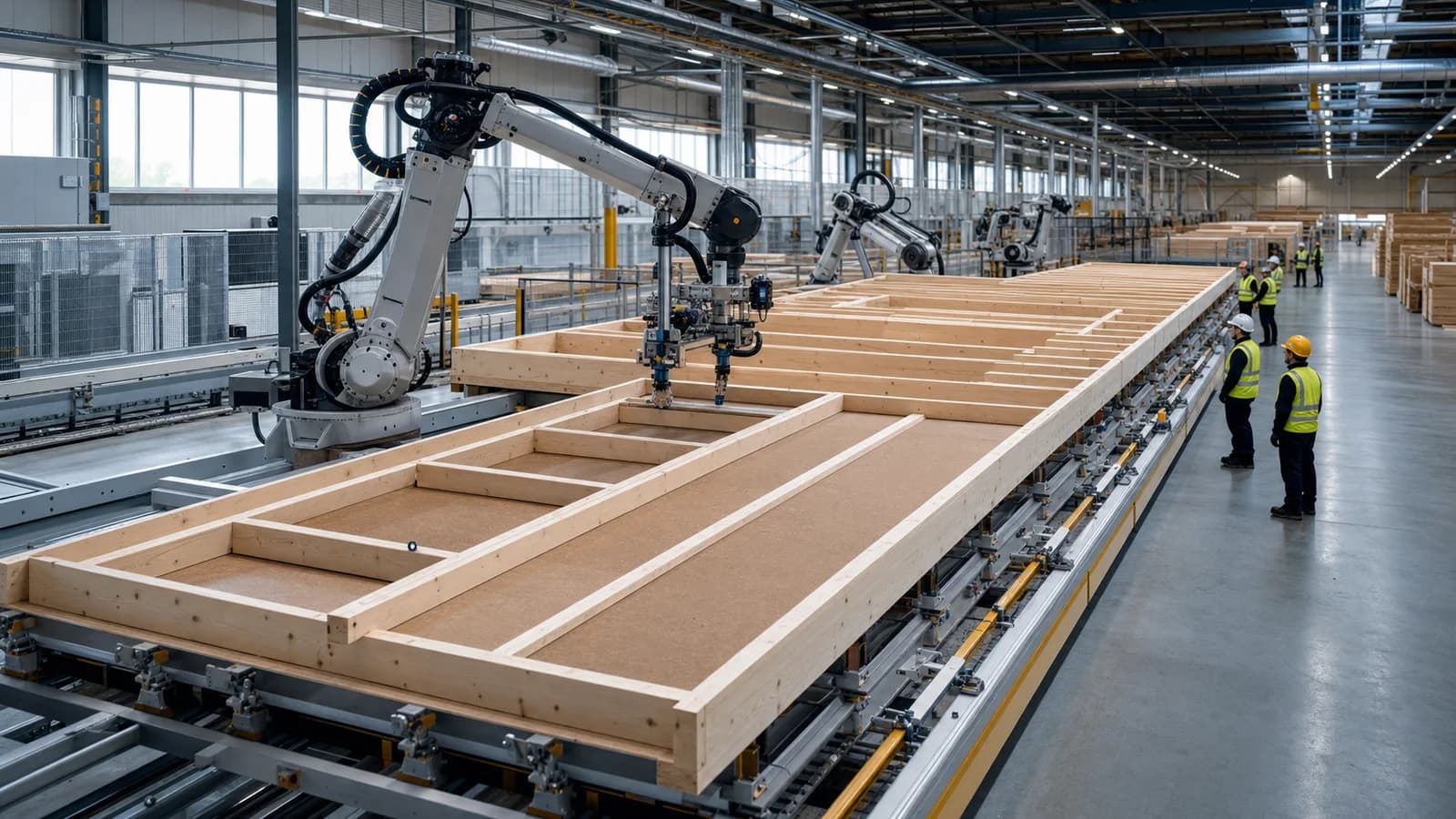
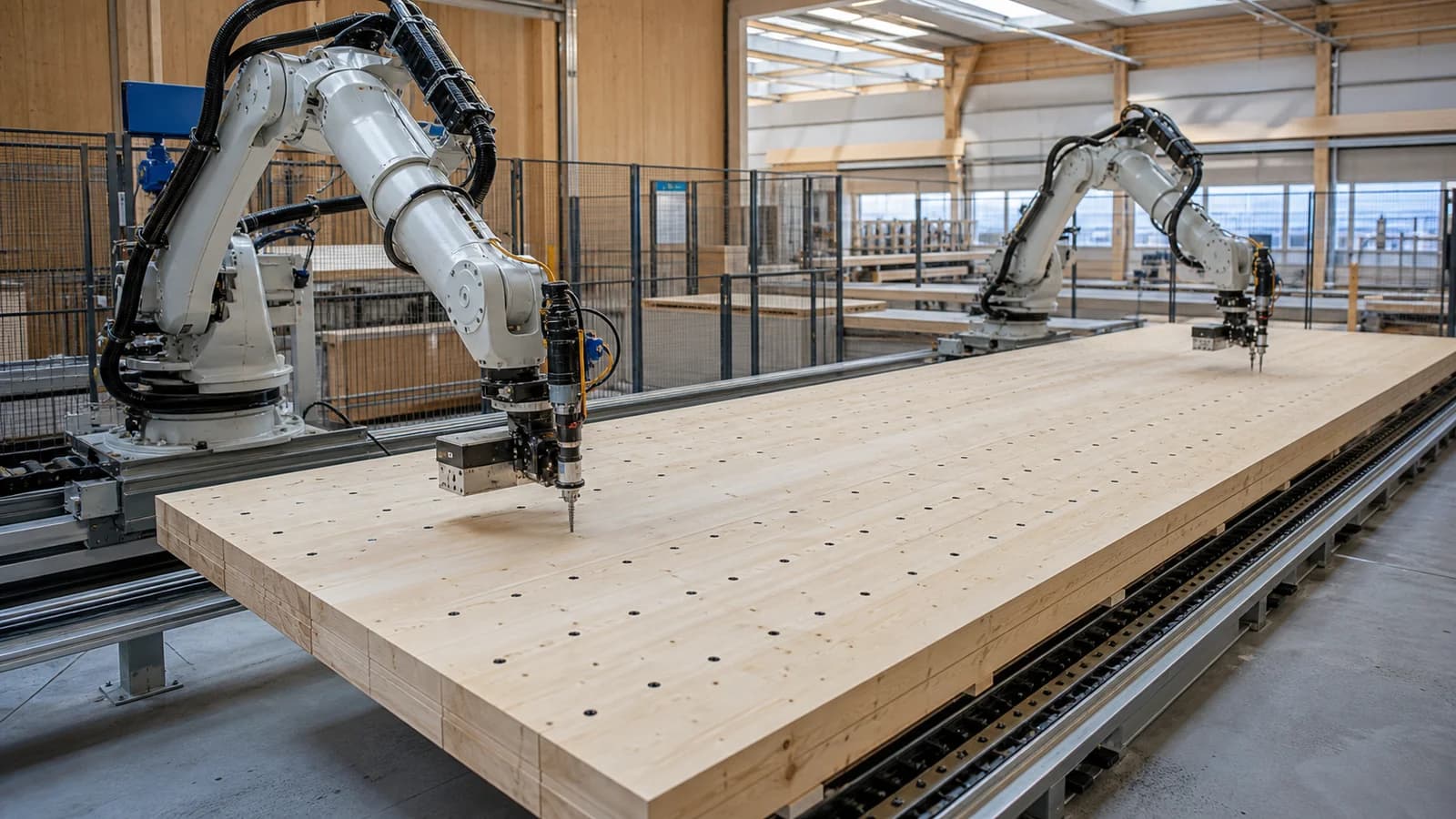
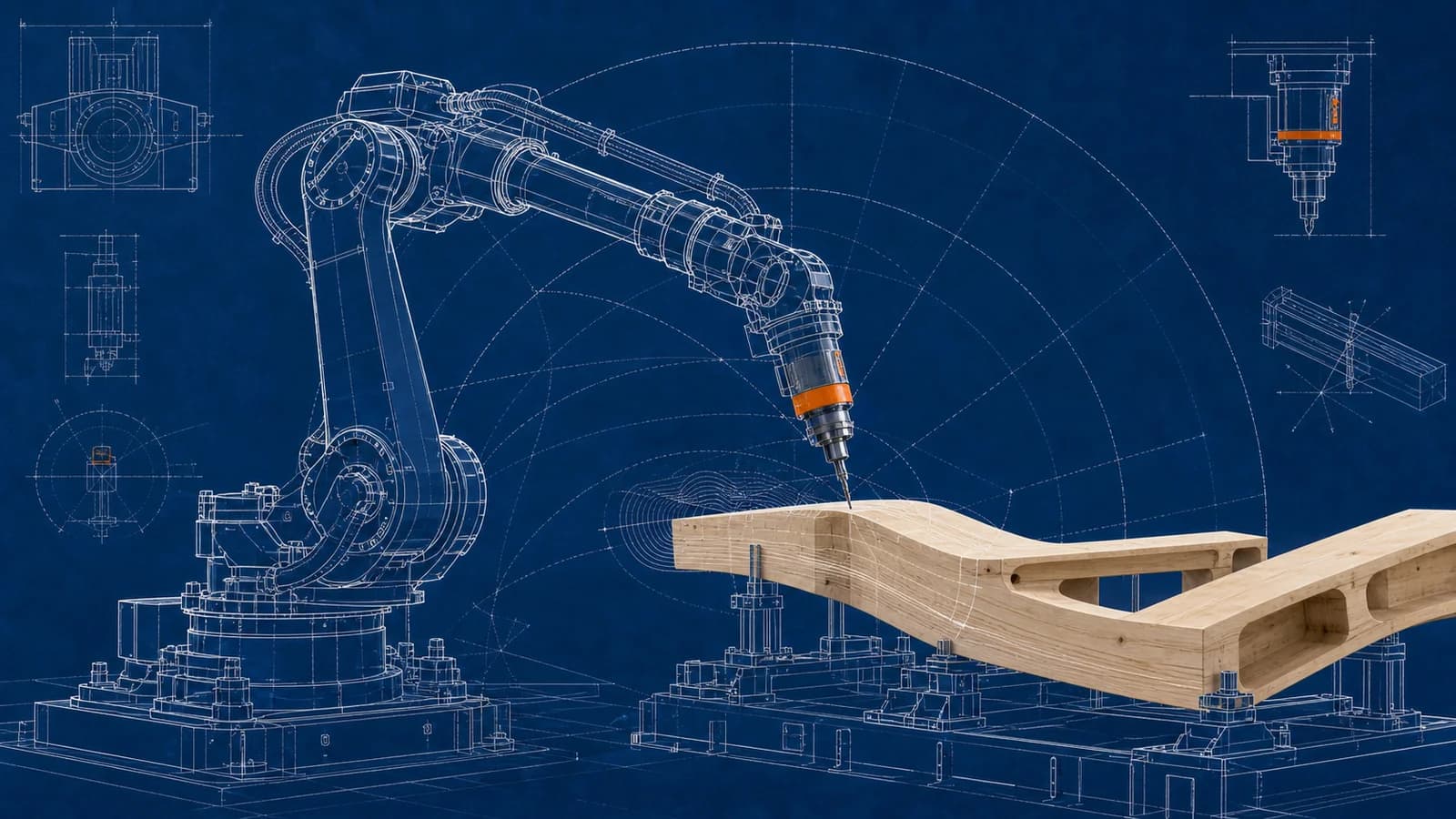
Industrialised construction transfers work from an unpredictable site to a controlled production environment. Timber is well suited to this model because components can be cut accurately, panels can be closed under factory conditions and digital files can drive CNC machinery.
What a regional factory can change
Transport distance is a practical barrier for prefabricated construction. Large wall, floor and roof elements occupy considerable volume even when they are relatively light.
A plant in Granada can shorten the distance between production and projects in Andalusia. It can also help local designers gain experience with a consistent system instead of assembling a different supply chain for every building.
The potential benefits include better dimensional quality, less site waste, improved working conditions and a shorter on-site programme. These outcomes are not automatic: they depend on early design decisions and a stable flow of projects.
Factories need repetition. If every wall connection, service zone and opening is redesigned late, automation loses much of its advantage.
Capacity must be matched by a project pipeline
A new production hall creates capacity, but capacity is useful only when developers, architects and contractors specify compatible systems. IberoLam will need to work upstream with project teams so grids, spans and façade dimensions reflect transport and manufacturing realities.
That does not require identical buildings. A well-designed platform can support varied architecture while standardising hidden rules: panel widths, connection families, tolerances and service interfaces.
The factory may also become a training centre for a region with limited experience in large prefabricated timber assemblies. Installers, crane teams and site managers need to understand handling, temporary stability and weather protection. Industrialisation moves work off site, but it does not eliminate construction knowledge.
Why software becomes critical
An industrial timber workflow needs a single, reliable definition of the building. Architecture, structural engineering, manufacturing and assembly cannot operate from conflicting geometry.
The production model must contain real component dimensions, material grades, openings, connections, lifting constraints and installation order. Bills of materials and cutting data should be generated from the same source.
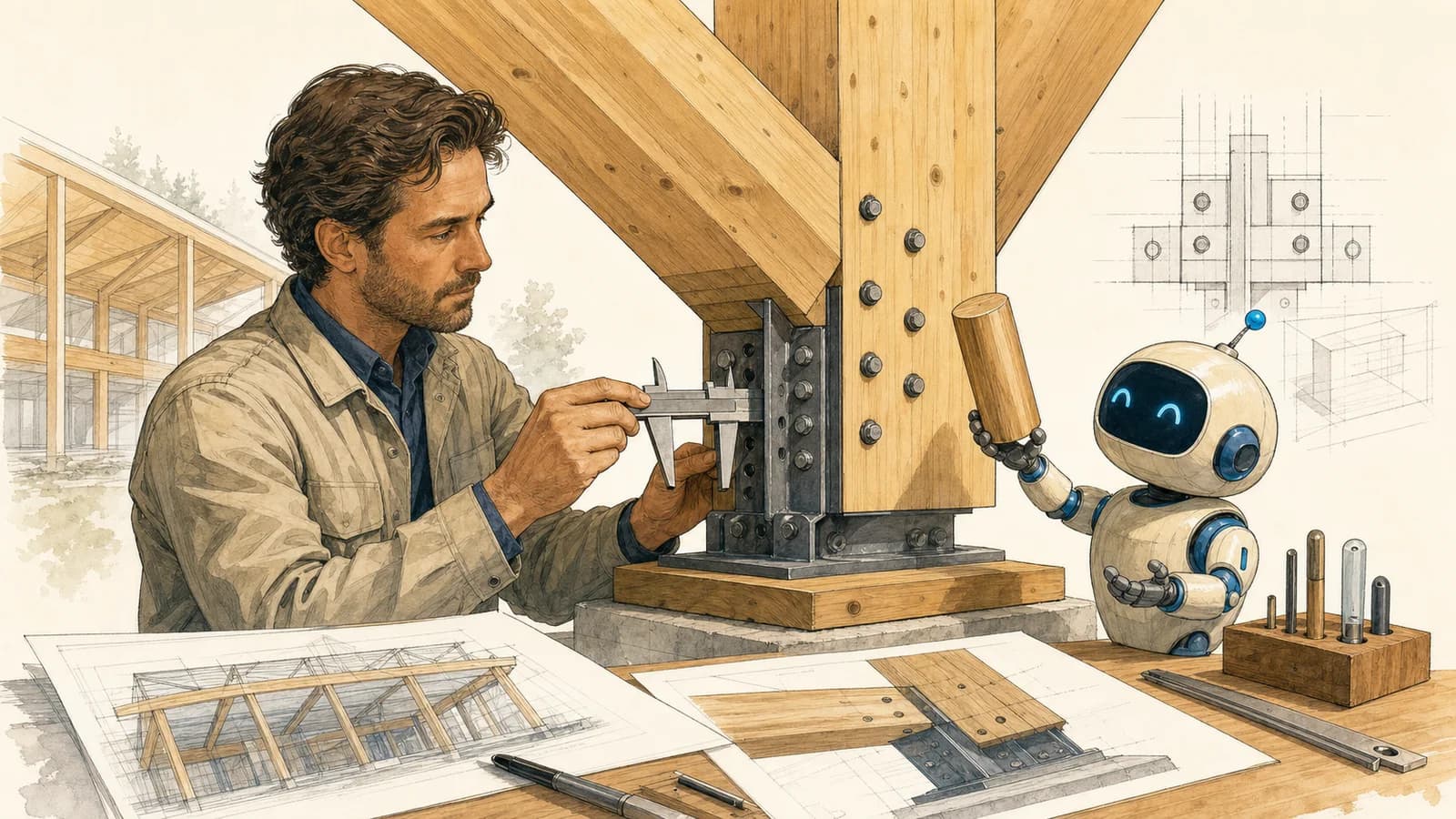
This is where platforms such as FrameVerk can contribute. A timber-frame model should not stop at visualisation; it should support fabrication-ready quantities and predictable assemblies.
A milestone, not a finished market
The start of construction does not mean the factory is already delivering buildings. IberoLam still has to complete the facility, commission equipment, validate processes and secure a sufficient order pipeline.
It also operates in a market where concrete and masonry supply chains are deeply established. Timber systems must demonstrate cost, fire performance, acoustics, durability and reliable insurance—not only lower embodied carbon.
Even so, the factory is a strong signal. Southern Spain is beginning to build the industrial infrastructure required for off-site timber construction, and the initiative is moving from a university project toward a real production business.
Source: University of Granada, “Work begins on Andalusia’s first industrialised timber-construction factory”, 23 March 2026: https://www.ugr.es/universidad/noticias/primera-fabrica-andaluza-construccion-industrializada-madera