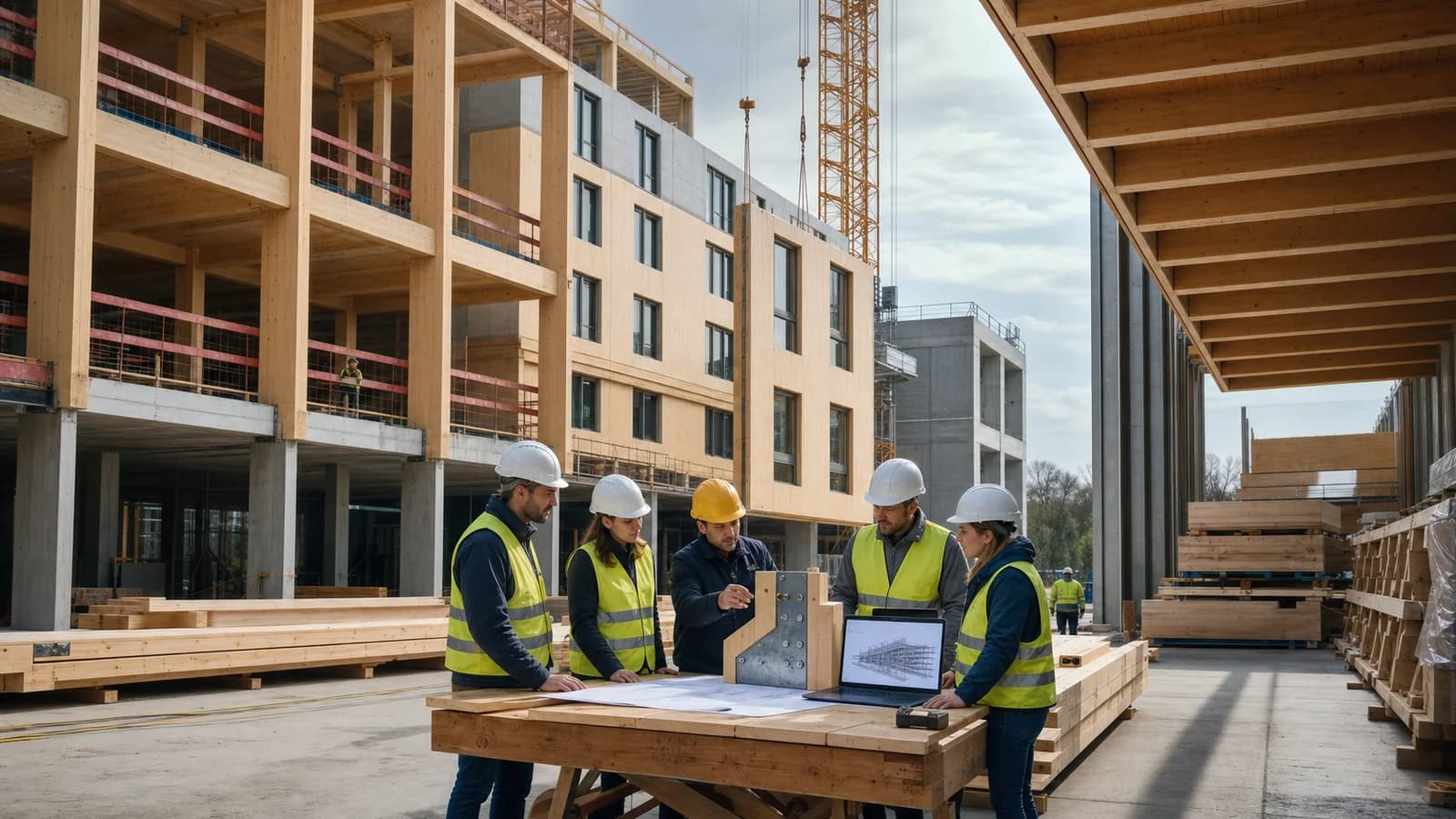
Bouygues and FCBA Renew a Three-Year Push to Scale Timber Construction
Bouygues Bâtiment France, Linkcity and FCBA have renewed their strategic partnership through 2029, targeting technical validation, regulation and the large-scale deployment of timber buildings.
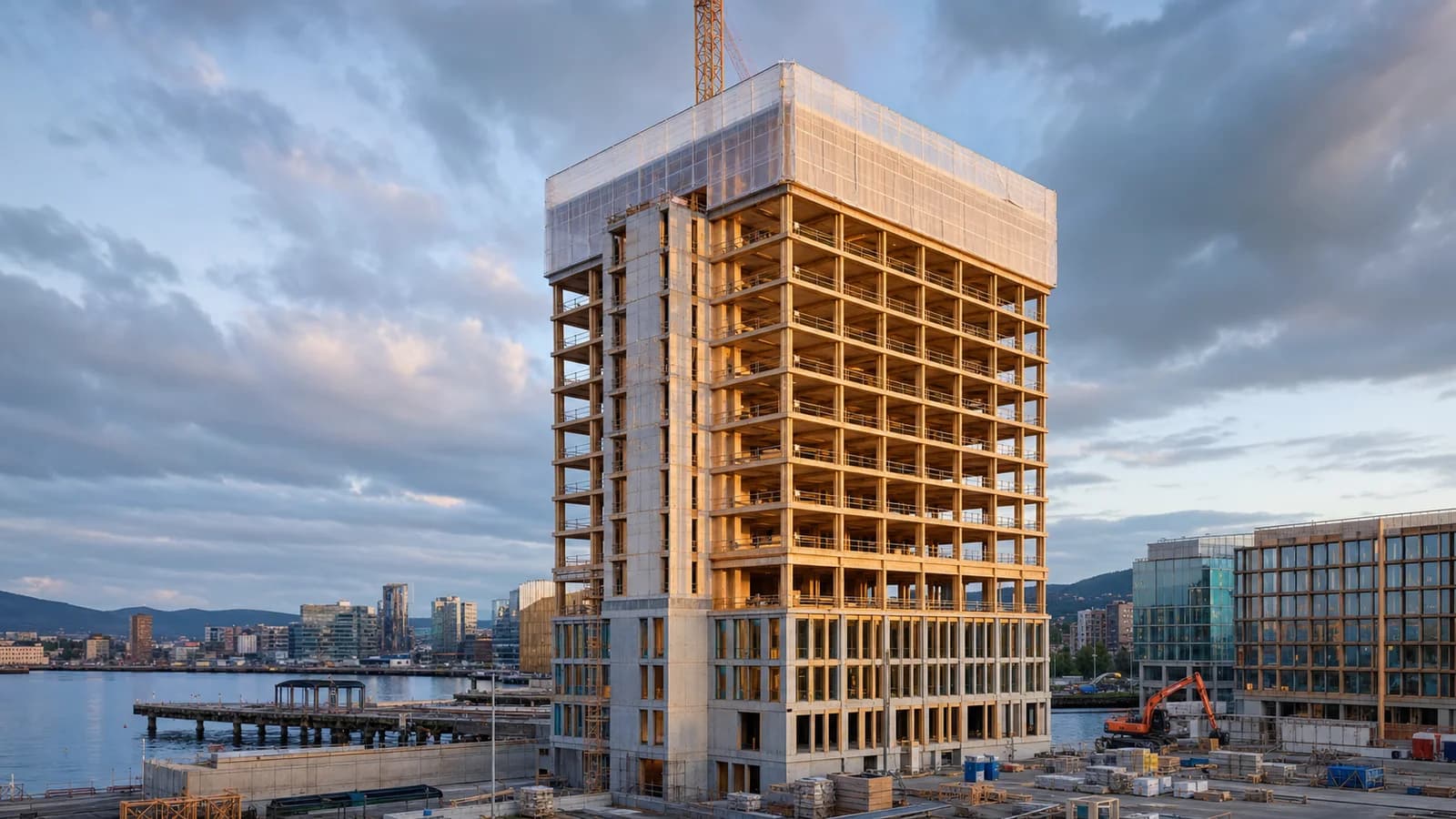
Bouygues Bâtiment France and property developer Linkcity have renewed a strategic partnership with France’s FCBA technological institute for another three years. Announced in April 2026, the agreement is intended to accelerate timber construction at scale, secure technical innovation and prepare for changes in standards and regulation.
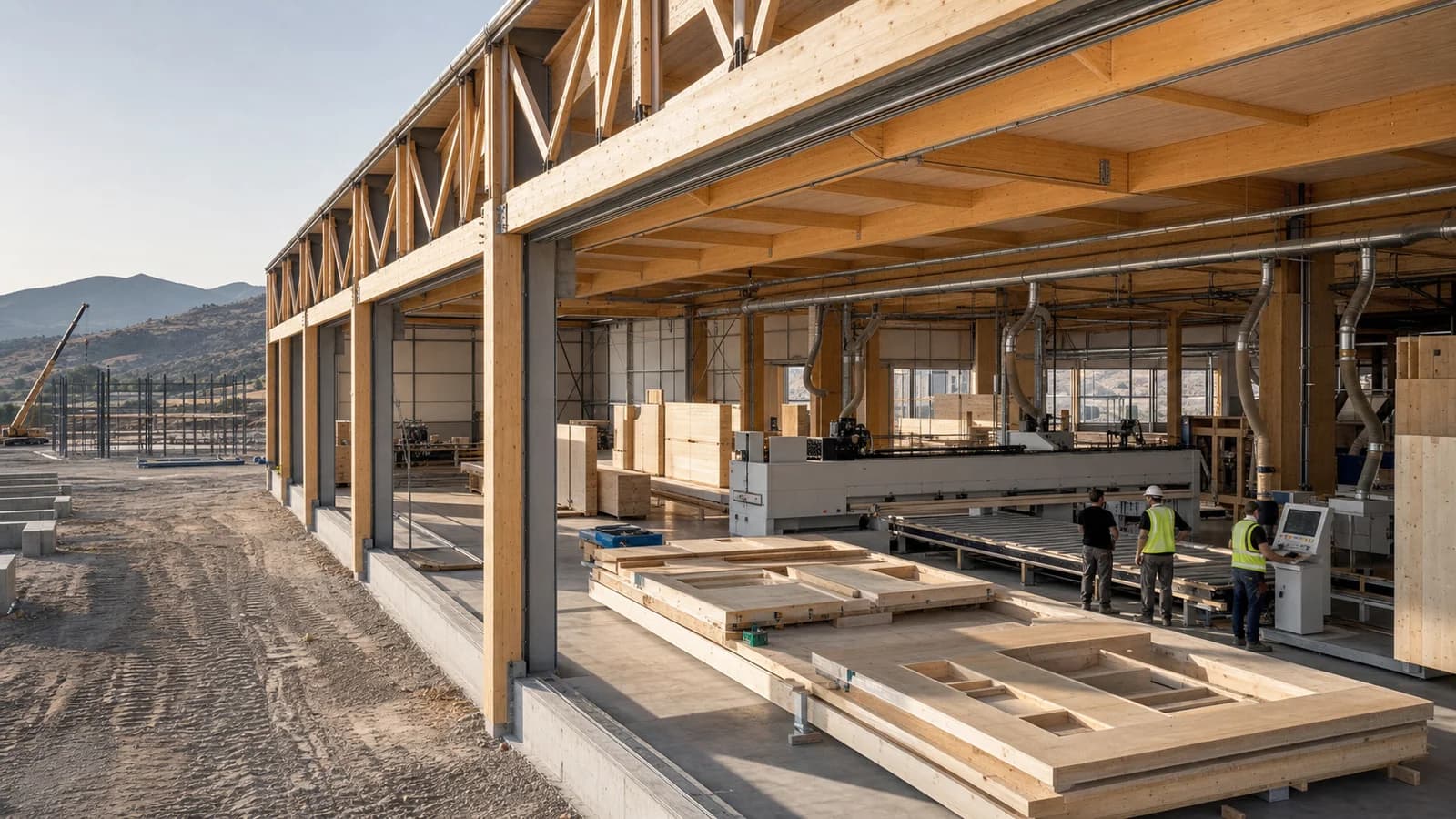
The headline is less about one showcase building than about the infrastructure needed to repeat timber projects. A contractor can complete an exceptional wooden structure with a highly specialised team, but scaling the method across housing, offices and mixed-use developments requires verified systems, predictable approvals and lessons that survive from one project to the next.
FCBA sits at the intersection of testing, certification, applied research and industry guidance. Bouygues Bâtiment France brings construction delivery and site feedback, while Linkcity connects the work to development briefs, investment decisions and end-user requirements. Renewing the partnership suggests that timber is being treated as a continuing construction programme rather than an isolated experiment.
The technical gap between prototype and portfolio
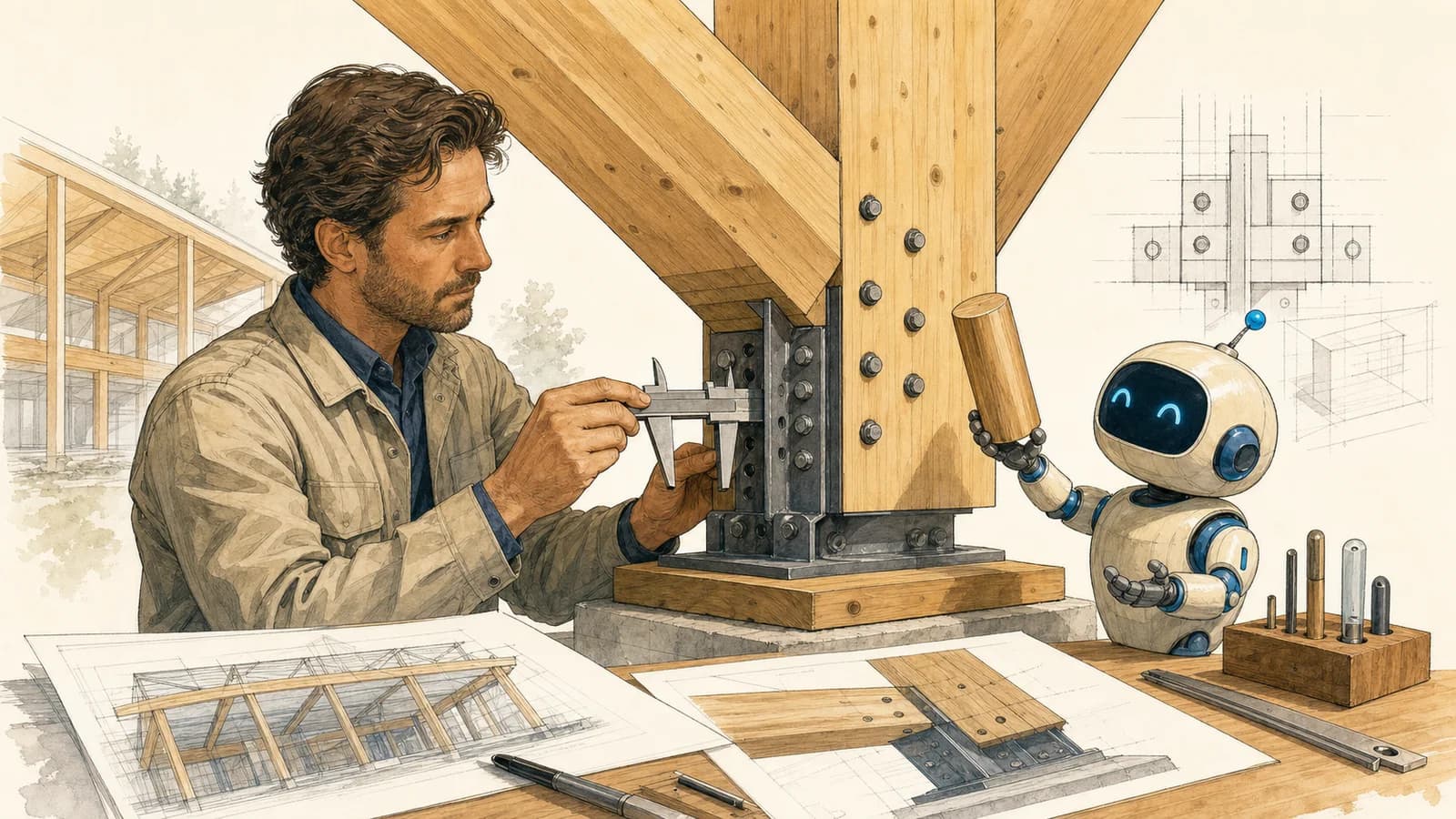
Large contractors face a particular challenge when adopting timber. The structural frame is only one part of the risk. Fire resistance, acoustics, moisture during construction, façades, interfaces with concrete cores, mechanical services, transport and erection all affect performance and insurance.
A partnership with a testing institute can turn those recurring questions into research programmes and validated details. It also allows feedback from live projects to influence the next generation of systems. This loop is important because innovation without evidence can trap a solution in project-by-project approvals, while standardisation without site feedback can formalise details that are difficult to build.
The partners say the renewed alliance will help anticipate normative and regulatory developments. In practice, early knowledge of a changing test method or design requirement can influence product selection, tender documents and factory capacity long before a rule formally takes effect.
Why scale changes the digital workflow
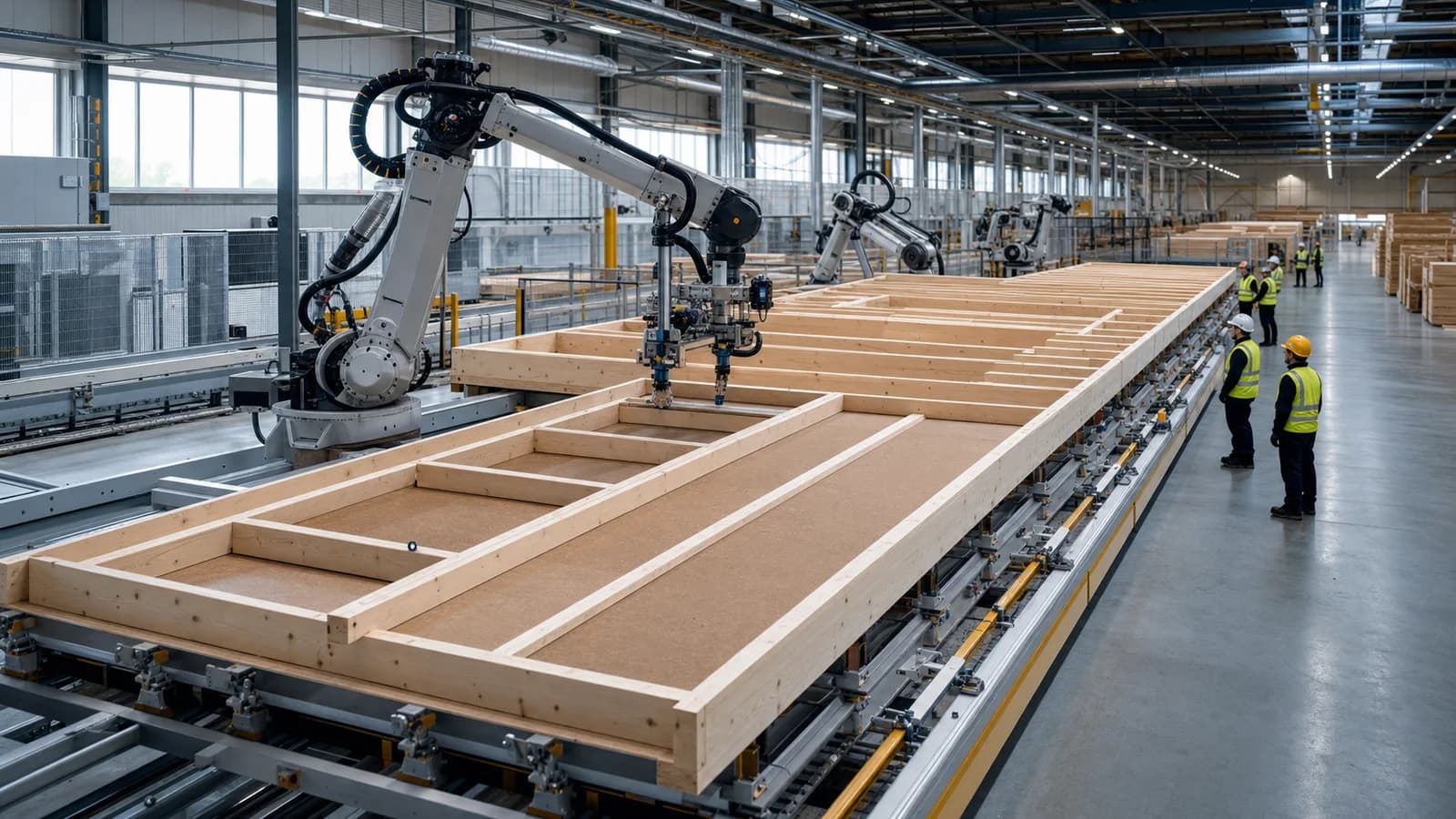
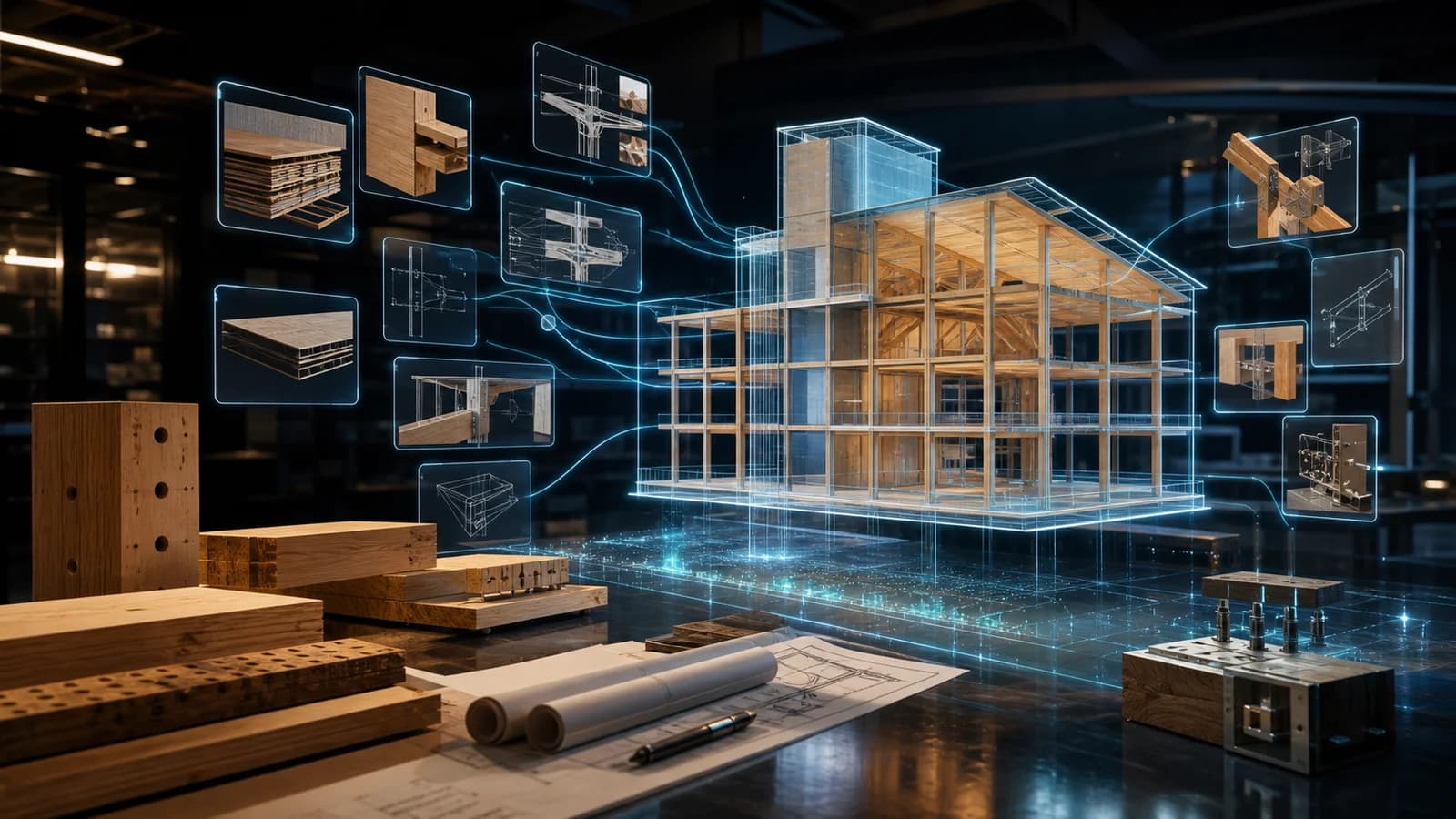
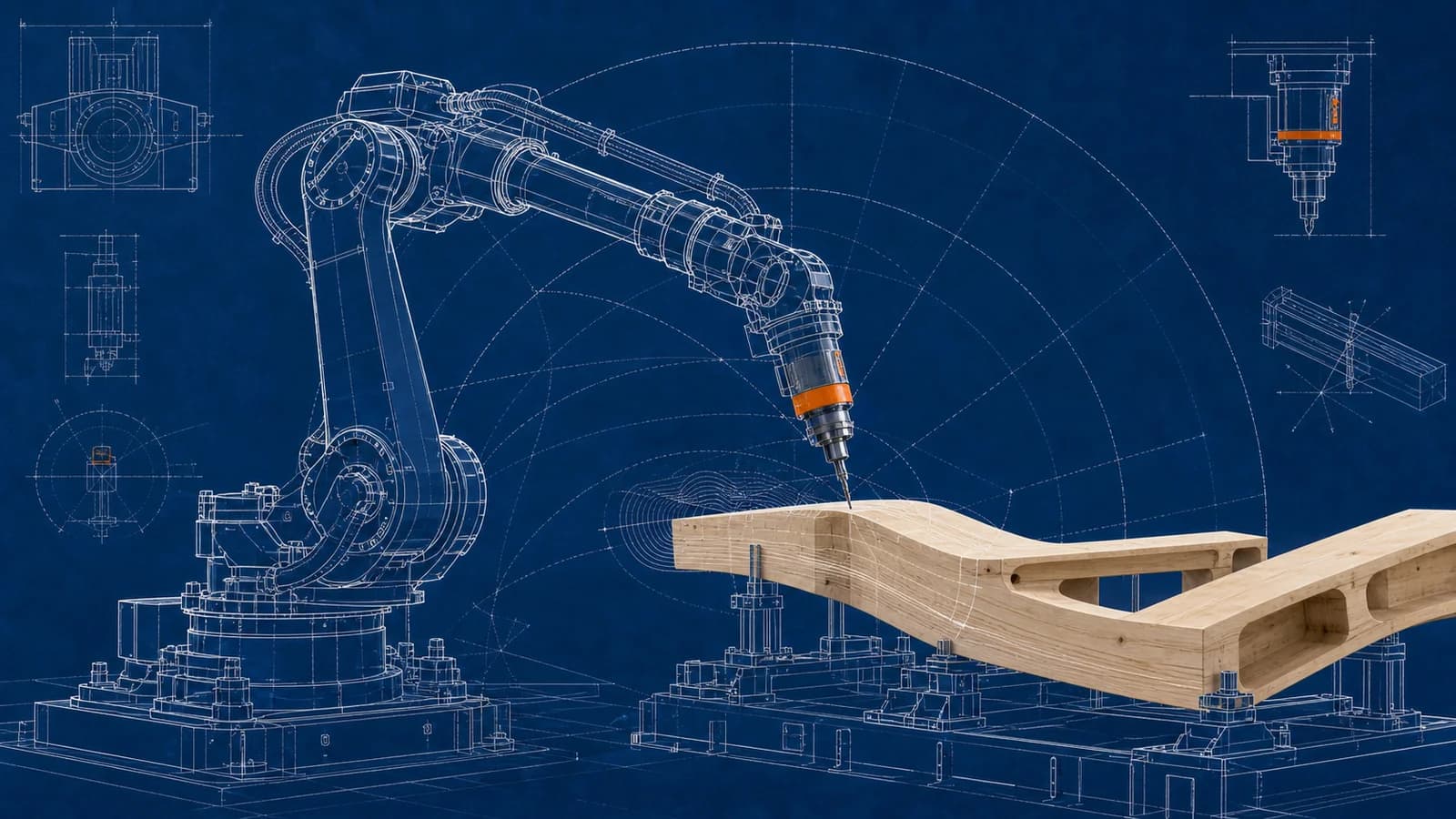
When timber moves from a flagship project to a portfolio, information management becomes an industrial concern. Reusing a system does not mean copying a drawing. The team needs controlled libraries of assemblies, connection rules, fabrication constraints and performance evidence. Each project must adapt those rules to its geometry without disconnecting the model from manufacturing.
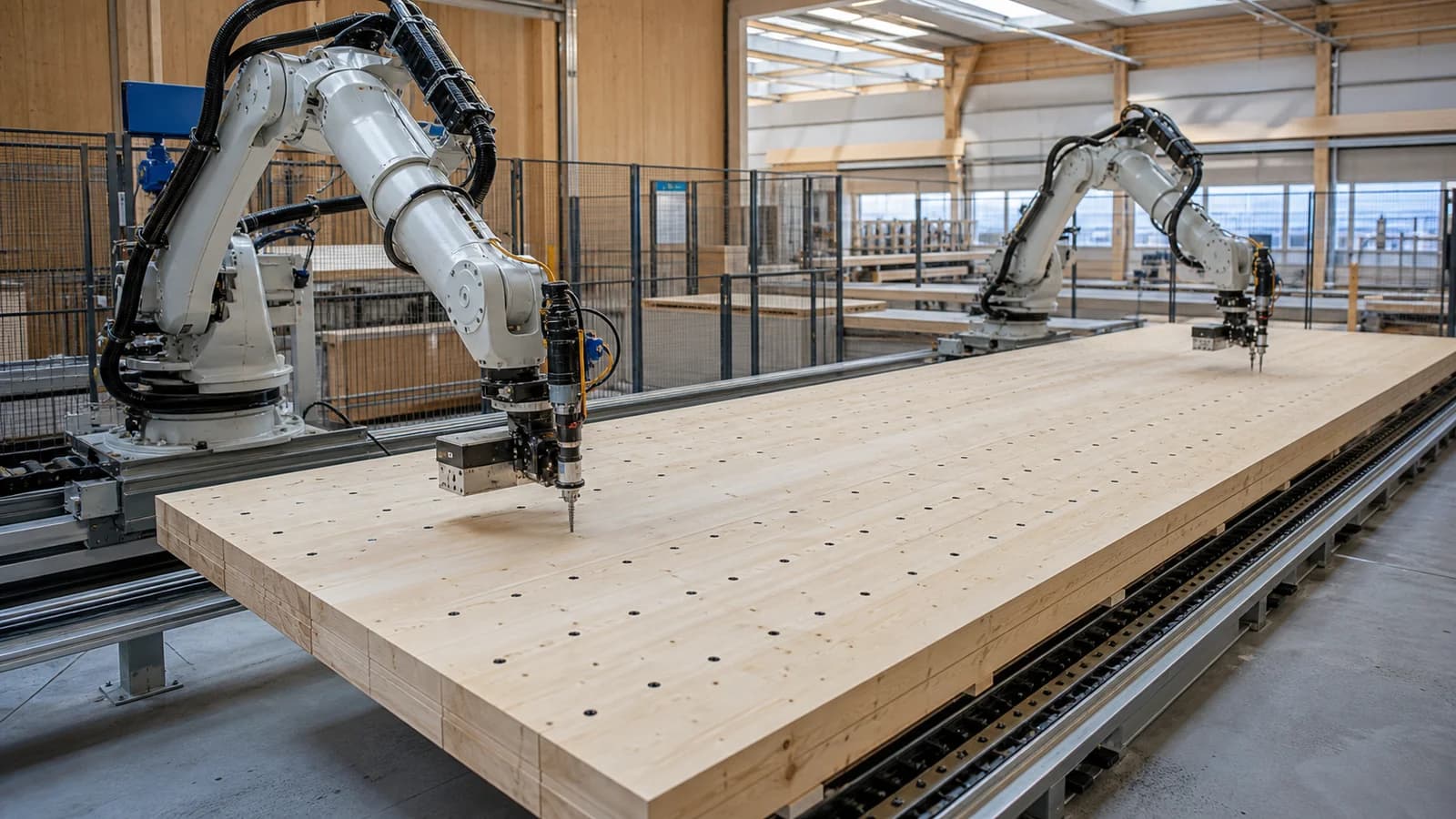
This is directly relevant to FrameVerk’s direction. A design platform can shorten early option studies, but its greater value appears when the selected scheme produces dependable quantities, member identities and machine-ready geometry. The same data should support engineering review, procurement, erection planning and handover.
Standardisation also improves commercial comparison. If teams describe timber solutions consistently, they can assess cost, programme and carbon earlier. That does not guarantee timber will win every project. It does reduce the risk that it is rejected because the alternative was defined in detail while the timber option remained a vague concept.
A signal, not a guarantee
The announcement does not specify a construction volume, a list of buildings or quantified carbon savings. It should therefore be read as a capability commitment, not proof that large-scale adoption has already happened. The next evidence will come from validated systems and completed projects.
Even so, the renewal is a useful market signal. One of France’s largest construction groups is maintaining a formal route between development, delivery and wood-technology research through 2029. If that route produces repeatable, insurable and fabrication-aware solutions, it can help move French timber construction from individual achievements toward normal practice.
Workforce learning will be equally important. Repeatable systems only create value when estimators, designers, factory teams and site managers understand the same construction logic. Shared training and post-project reviews can turn technical research into consistent decisions on future buildings.
Sources: https://www.fcba.fr/bouygues-batiment-france-et-linkcity-renouvellent-leur-partenariat-avec-fcba/ https://www.fcba.fr/presse/