France Wants Timber on the Podium for the 2030 Winter Olympics
The France Bois 2030 mission is turning the French Alps Winter Games into a test of local timber supply, low-carbon procurement and long-term reuse. Launched in 2026, it aims to help project teams specify French wood without repeating avoidable mistakes from Paris 2024.
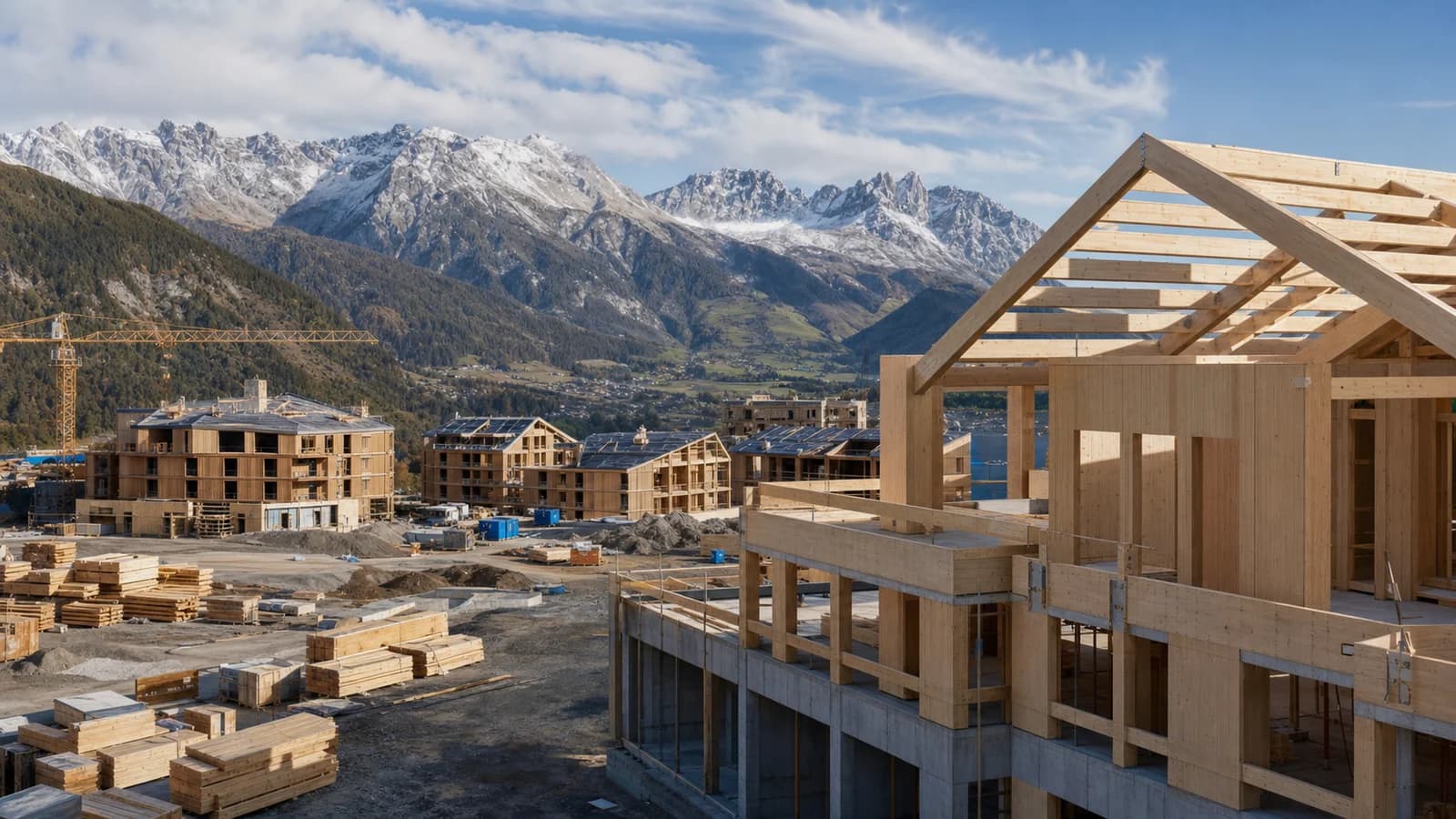
France has begun preparing the timber strategy behind the 2030 Olympic and Paralympic Winter Games in the French Alps. The new mission, France Bois 2030, was officially launched in February 2026 at the International Wood Construction Forum in Paris. Its ambition is straightforward but demanding: maximise the use of French wood in Olympic buildings, infrastructure and fit-outs while lowering their construction-related carbon emissions.
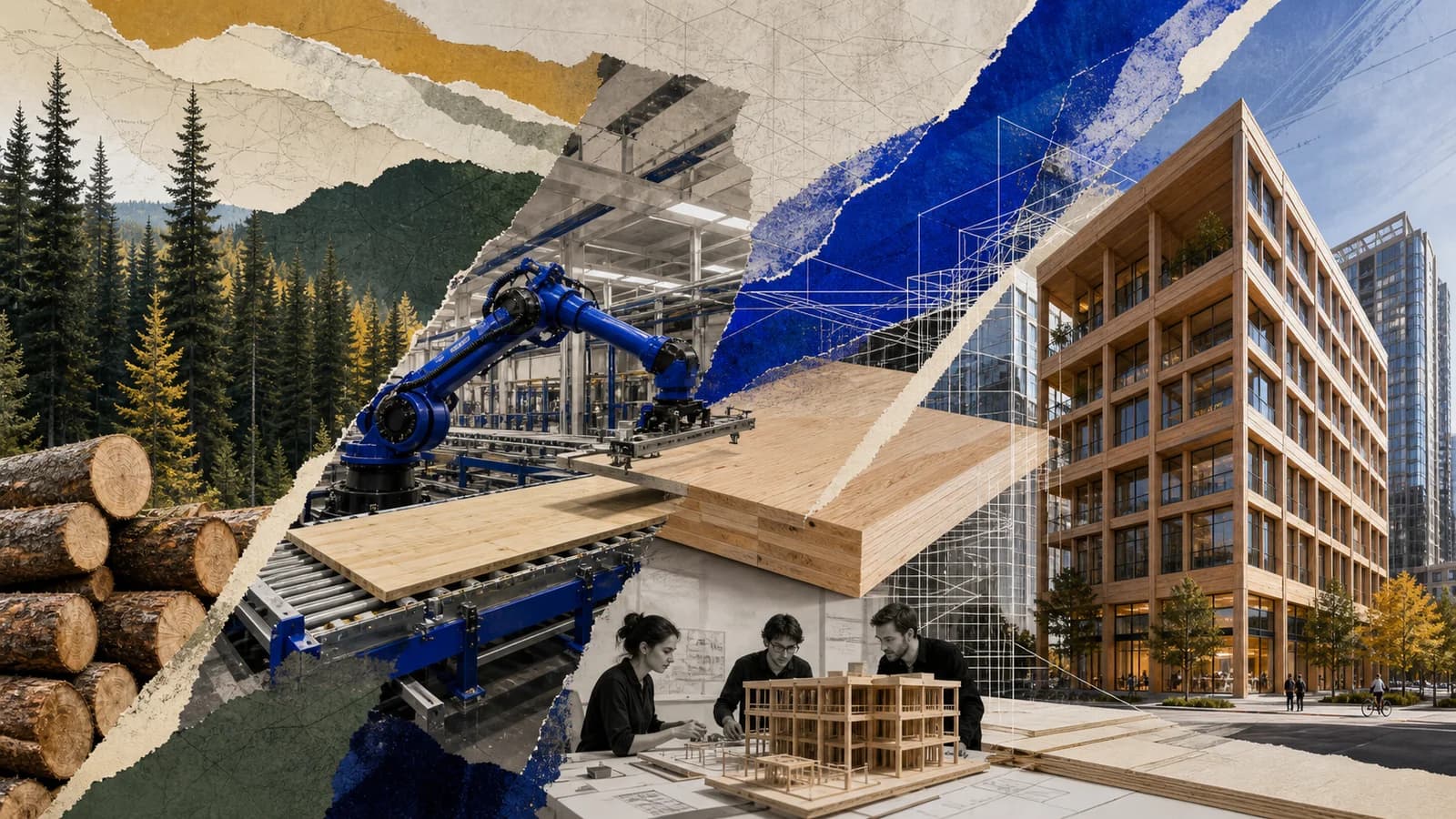
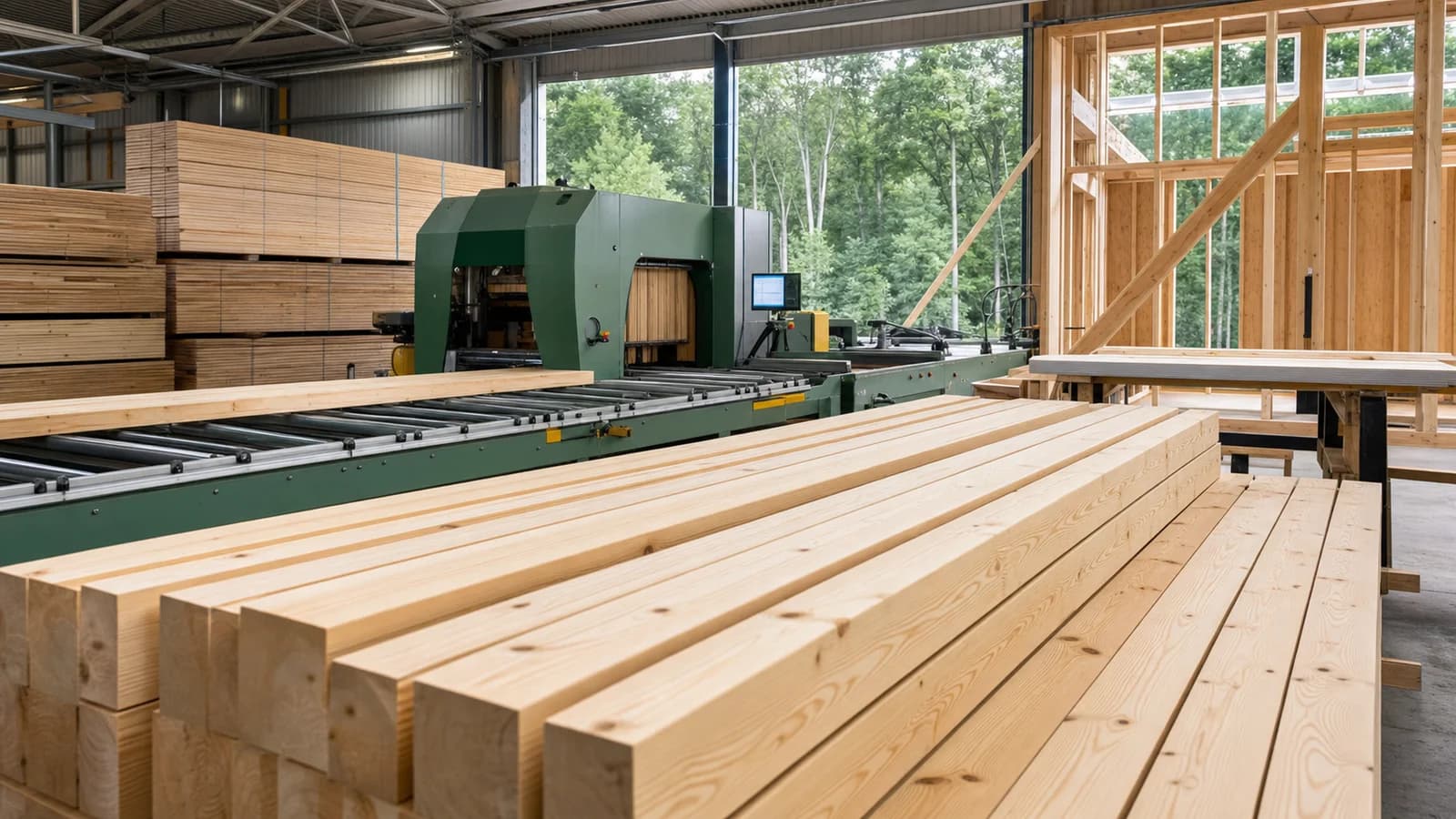
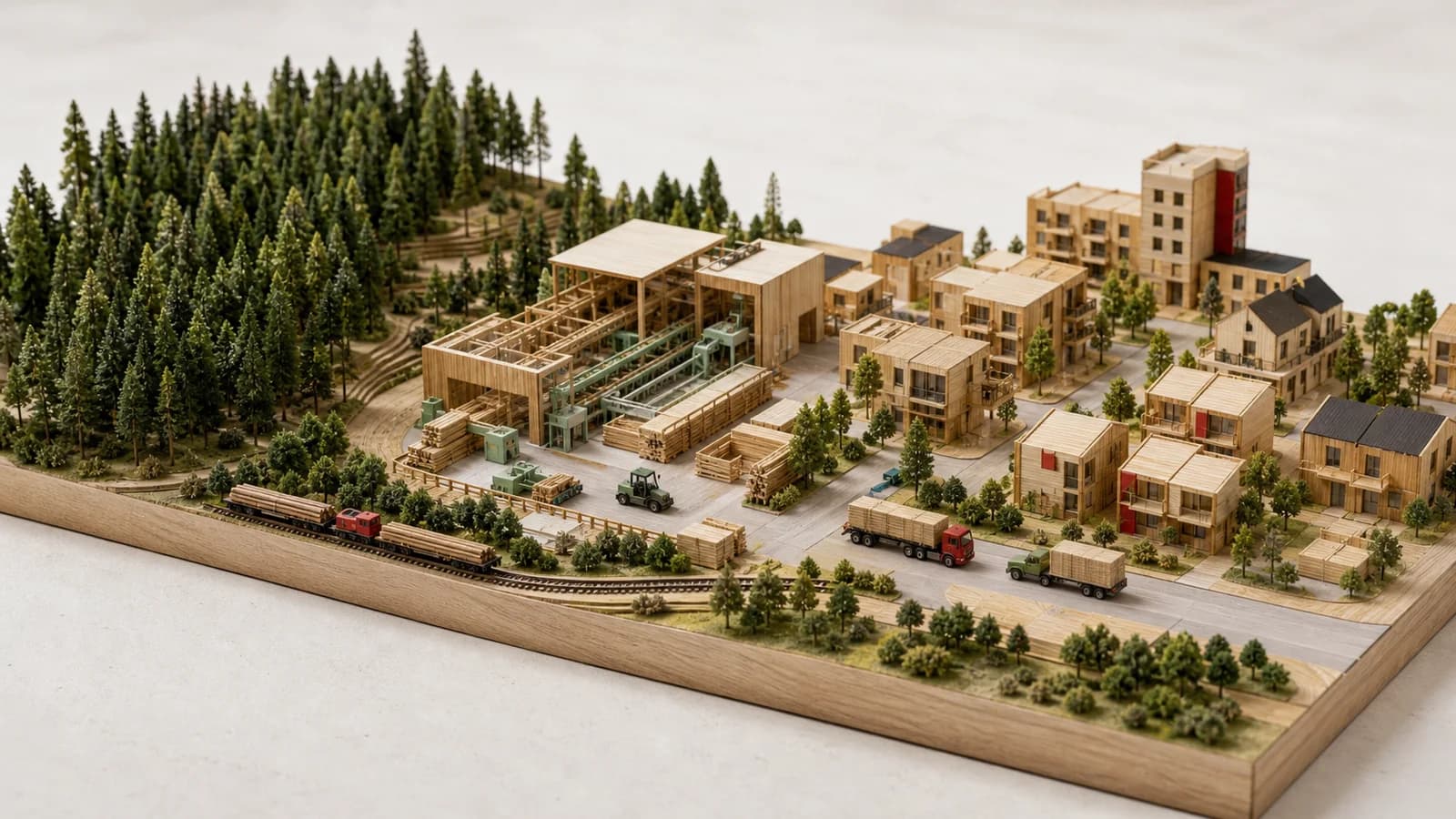
The initiative is not a mandate that every venue must be built from timber. It is a coordinated industry mission intended to make timber easier to specify, procure and deliver. That distinction matters. Major public projects often want low-carbon materials, but design teams can lose time navigating product availability, certification, fire and acoustic requirements, insurance, logistics and the capacity of regional suppliers. France Bois 2030 is designed as a single point of contact that organises information and brings the forest, sawmilling, engineering, manufacturing and construction sides of the market into the same conversation.
From Paris 2024 to the Alps
France Bois 2030 builds on the experience of France Bois 2024. The earlier programme helped project owners and designers use timber in the Paris Olympic and Paralympic works, including buildings in the athletes’ village and the Saint-Denis aquatic centre. The lessons were later assembled in a reference publication for the organisers of the 2030 Games.
The Alpine context creates a different brief. The projects are dispersed across mountain territories, the construction window is constrained by weather, and the venues must serve communities long after the closing ceremony. According to France Bois Forêt, Olympic works are scheduled for delivery in September 2029. That leaves a limited period to translate strategic intentions into specifications, contracts, prefabrication slots and completed buildings.
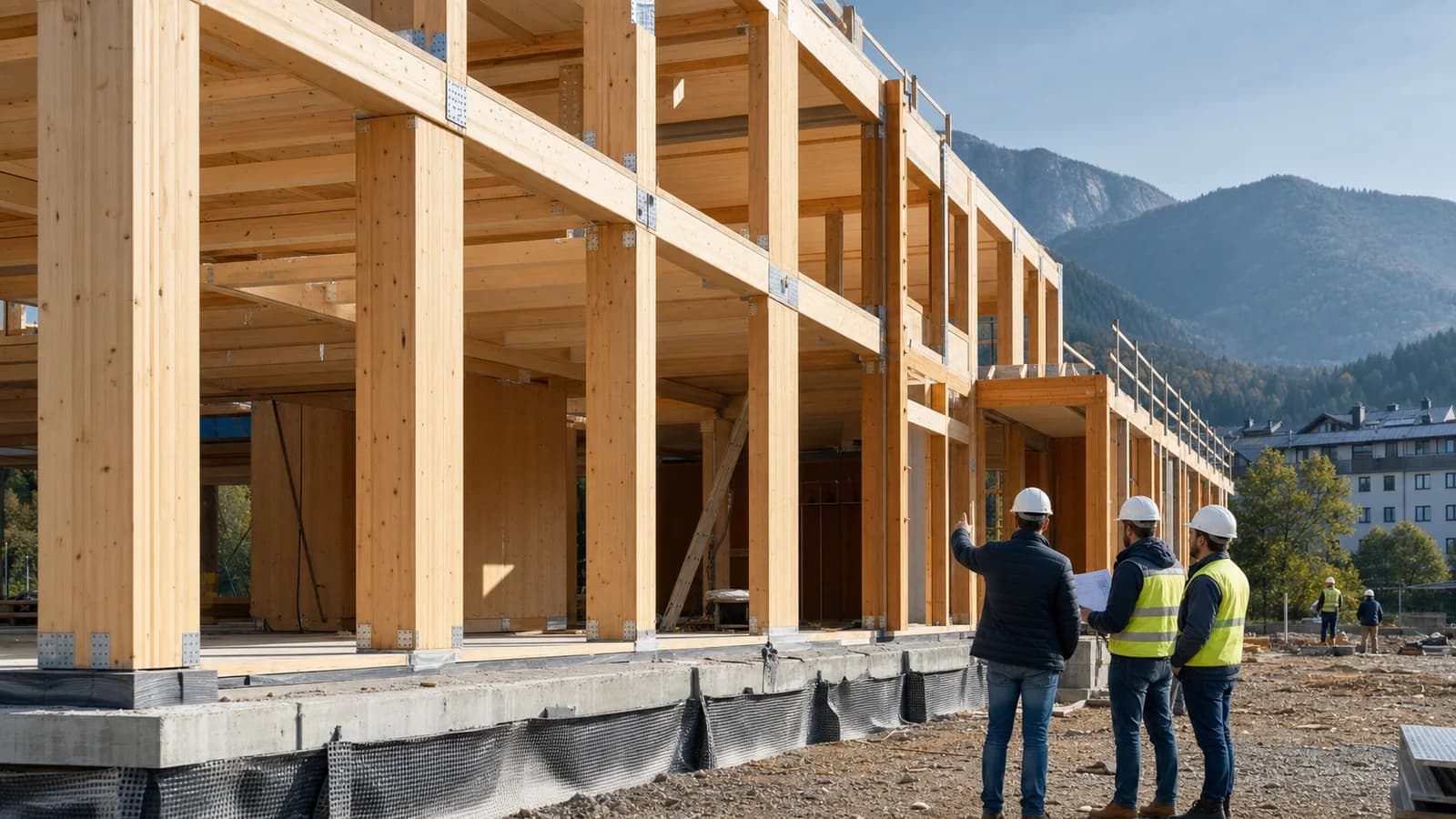
Timber can be attractive in this setting because factory-prepared components reduce wet trades and site time. Lightweight structures can also help where access, ground conditions or existing buildings limit heavy interventions. But those advantages are not automatic. Early coordination is required between architecture, structural engineering, building physics, fire design, manufacturing and transport. A late decision to “switch to wood” usually forfeits much of the value of off-site construction.
A market-making role
The mission is supported across the French forest and wood sector and funded by France Bois Forêt. Its role is partly technical and partly economic. It seeks to give Olympic decision-makers organised information on the range of timber solutions and to connect demand with a supply chain capable of meeting it.
That work can influence more than the venues themselves. A concentrated pipeline of visible projects gives manufacturers a clearer reason to invest in design capacity, digital production, certification and workforce development. It can also encourage architects and contractors who are new to timber to establish repeatable workflows. If those capabilities remain active after 2030, regional housing, schools, sports halls and tourism projects may benefit.
The phrase “French wood” also introduces practical questions. Project teams need to know which species and products are available at the required grades, dimensions and volumes. They must align traceability requirements with procurement rules and avoid treating origin as a substitute for performance. A locally sourced member still has to satisfy structural, durability, moisture, fire and fabrication requirements. Good policy connects those two objectives rather than forcing one to compete with the other.
Legacy must be designed, not promised
The strongest sustainability claim for an Olympic building is not that it photographs well during the Games, but that it remains useful afterwards. France Bois 2030 therefore has an opportunity to push design for adaptation and reuse. Bolted connections, accessible interfaces, documented material identities and accurate digital models can make timber assemblies easier to maintain, modify or disassemble.
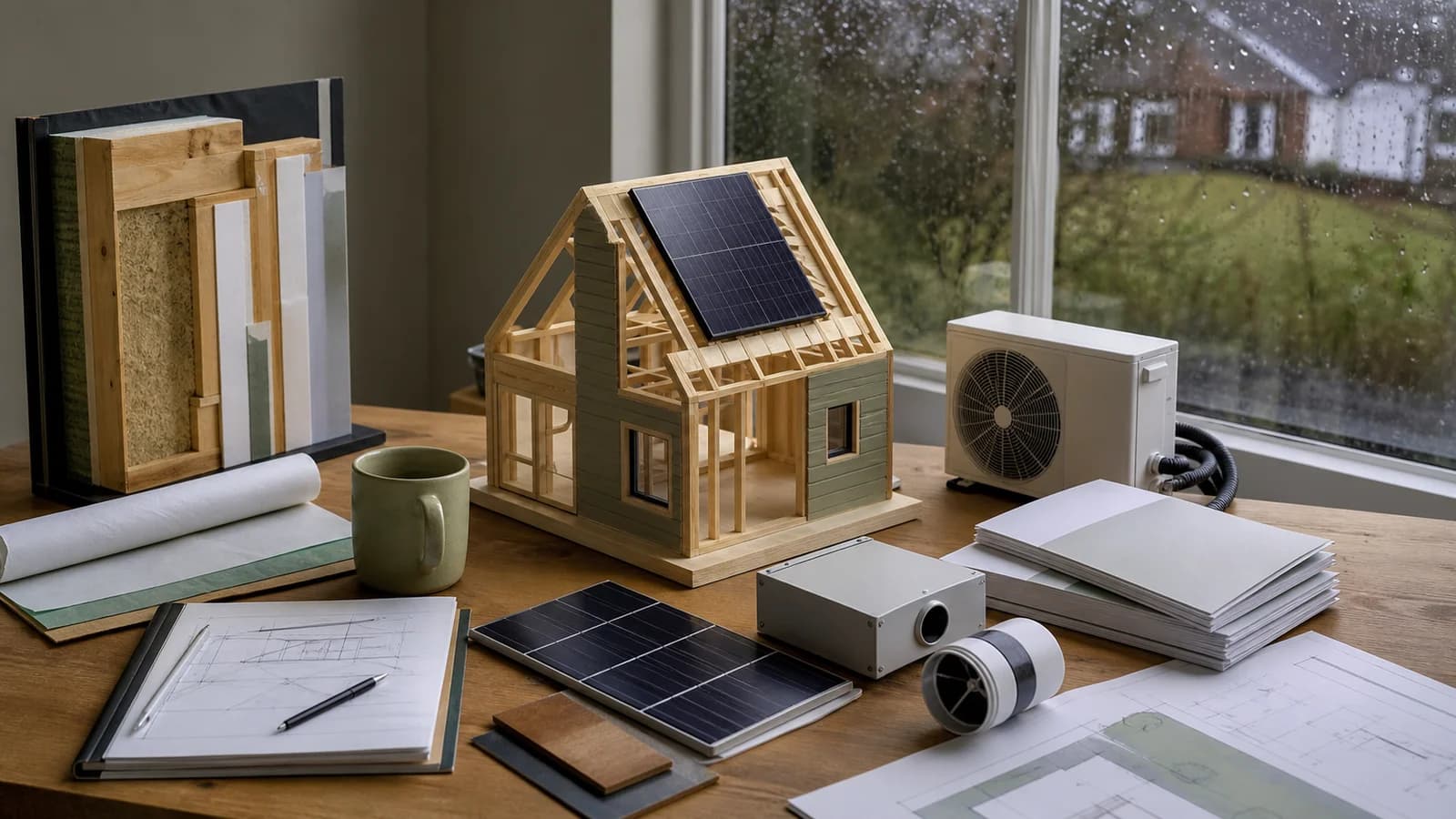
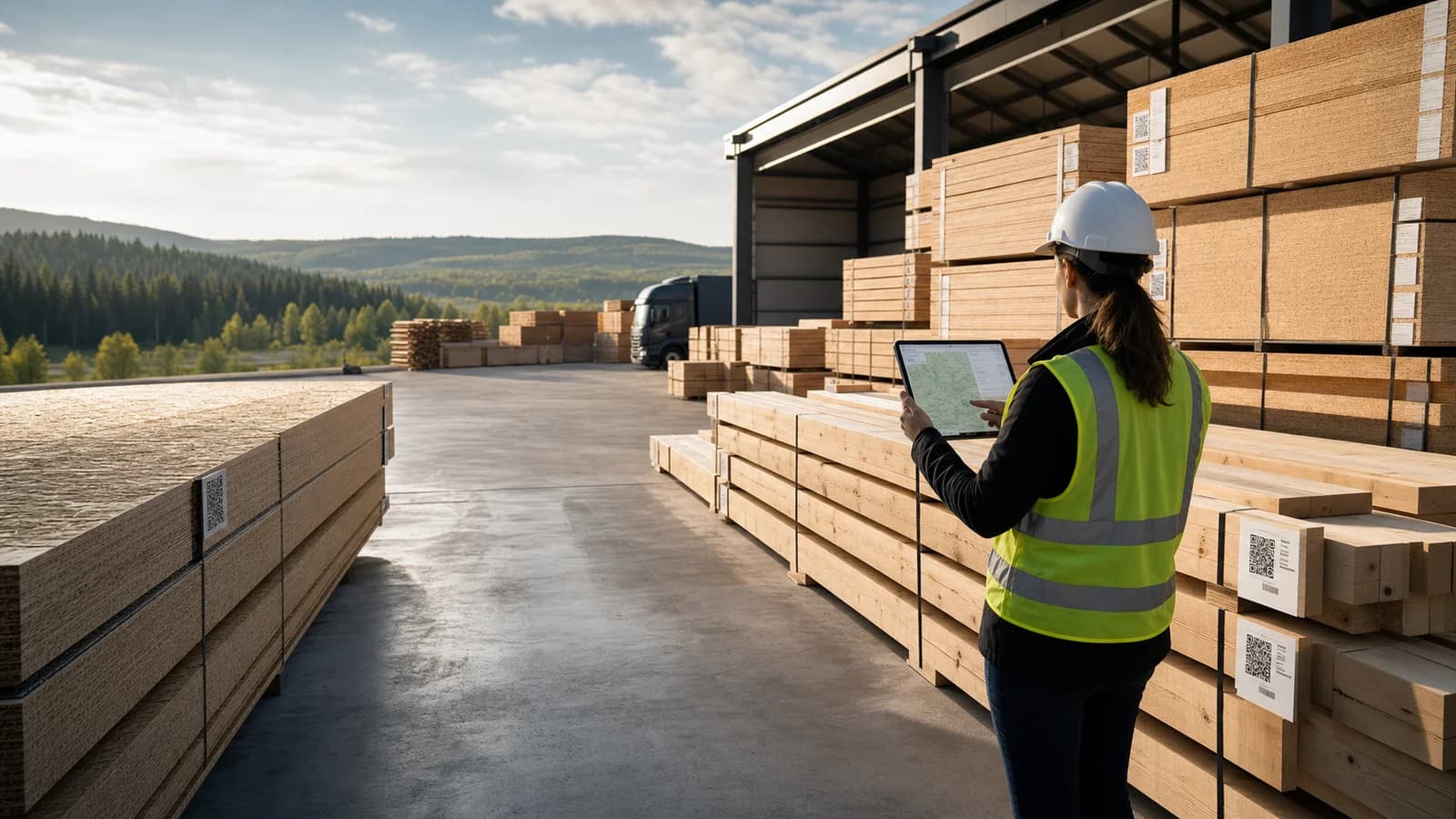
For FrameVerk’s audience, this is where software becomes part of the policy story. A reliable digital model can connect the architectural concept to member geometry, quantities, machining information, transport sequencing and traceability records. It can also preserve information needed for future alteration. If a component’s dimensions, grade, origin and connection logic disappear after handover, the theoretical circularity of the material becomes harder to realise.
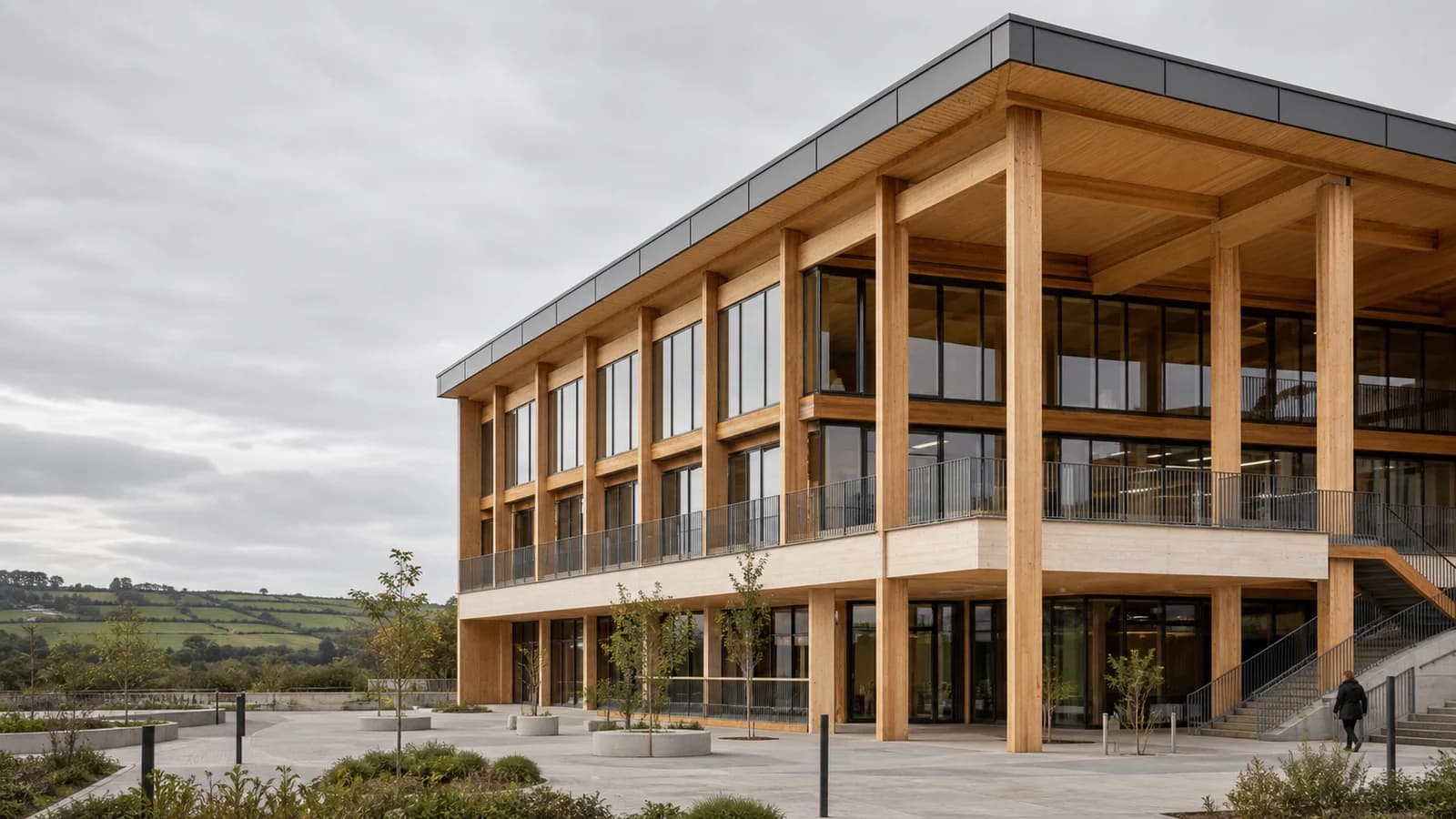
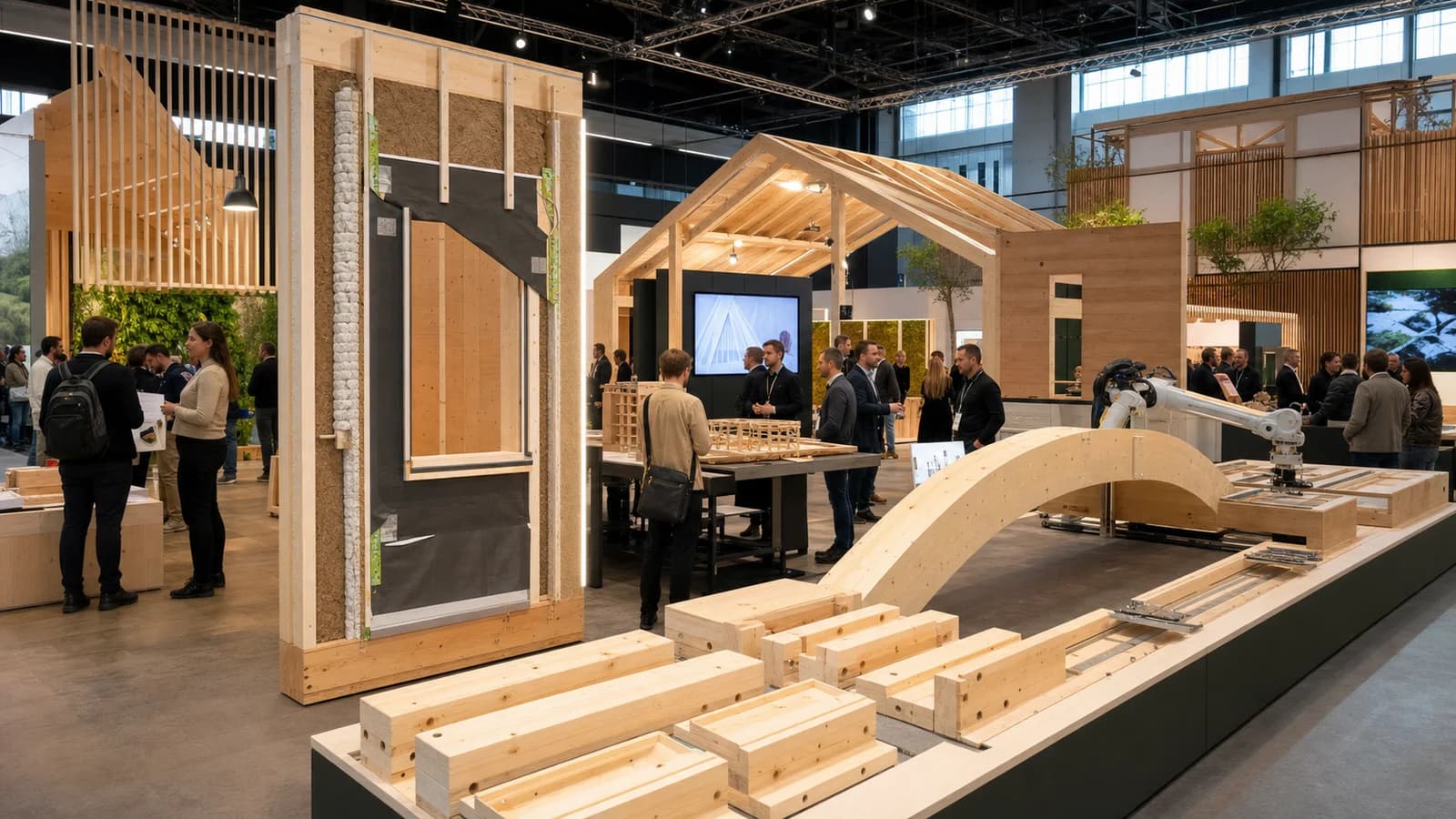
The Games can also demonstrate how different timber systems fit different tasks. Light timber frames may suit smaller accommodation or service buildings. Glulam can span halls and public spaces. CLT or other mass-timber panels may accelerate floors, walls and cores where regulations and engineering permit. Timber façades can lower the weight added to concrete or steel structures. Hybrid solutions are likely to be important, especially where foundations, seismic design, fire compartments or long spans make a single-material answer inefficient.
What project teams should watch
The mission’s success will be measured in built results, not in the number of declarations made before construction. Five indicators deserve attention:
1. How early timber specialists join each project. 2. Whether procurement criteria reward verified carbon and long-term value rather than only the lowest initial price. 3. How much of the specified timber can genuinely be supplied and processed by French value chains. 4. Whether temporary elements are designed with a documented second life. 5. Whether the Games create reusable technical details, data and skills for ordinary construction.
There are also risks. Olympic deadlines can favour familiar systems when approvals become tight. Mountain logistics may narrow the feasible delivery windows. Public attention can encourage exaggerated carbon claims that ignore adhesives, transport, finishes, replacement cycles and end-of-life scenarios. Transparent life-cycle assessment and careful material accounting will be more credible than a blanket statement that wood is always low carbon.
A deadline that can accelerate normal construction
France Bois 2030 is relevant because it treats a major event as an industrial learning programme. The Olympic spotlight creates urgency, but the useful outcome would be a more capable everyday timber market: better briefs, clearer specifications, stronger supplier coordination and digital information that survives the construction phase.
The initiative does not guarantee that the 2030 venues will become a timber showcase. Design competitions, budgets, regulations and contracts will decide that. What it does provide in 2026 is a structure for turning political interest in bio-based construction into project-ready decisions. If France can connect its forests, factories and design teams in time, the Alpine Games could leave behind more than venues. They could leave a repeatable method for delivering timber buildings at public-project scale.
Sources: https://franceboisforet.fr/2026/02/27/communique-de-presse-la-filiere-foret-bois-se-mobilise-dans-la-perspective-des-alpes-francaises-2030/ https://franceboisforet.fr/2026/07/02/le-bois-sinvite-aux-jeux-olympiques-dhiver/ https://franceboisforet.fr/2026/04/07/la-filiere-foret-bois-francaise-celebree-au-grand-palais/