Romania’s nZEB Expo Gives Timber Construction a 352-Square-Metre Platform
At nZEB Expo 2026 in Bucharest, the Wood Hub became the event’s dedicated Timber Partner. The expanded platform connected timber-frame manufacturers, engineered-wood specialists and energy-efficient construction audiences.
From an exhibition stand to a timber ecosystem
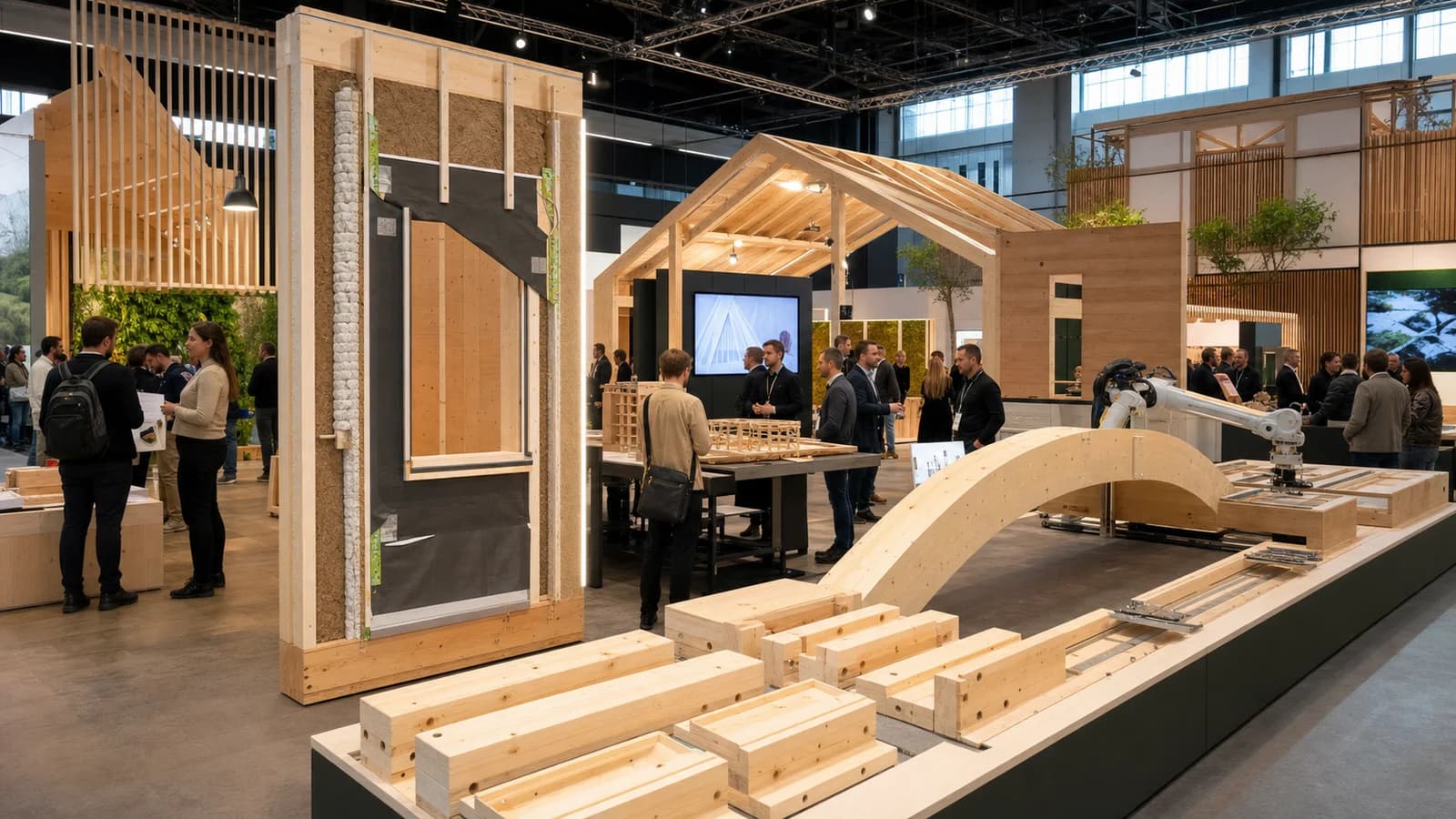
Romania’s Wood Hub entered a new phase at nZEB Expo in Bucharest, held from 11 to 14 June 2026. Instead of appearing as one exhibitor among many, the network became the event’s dedicated Timber Partner and managed a 352-square-metre area in Pavilion B2 at Romexpo.
The format matters because timber construction often sits across several disconnected markets. Structural designers discuss loads and joints; manufacturers focus on panels and production; envelope specialists work on airtightness and moisture; clients ask about cost and energy. A shared platform can put those conversations in the same place.
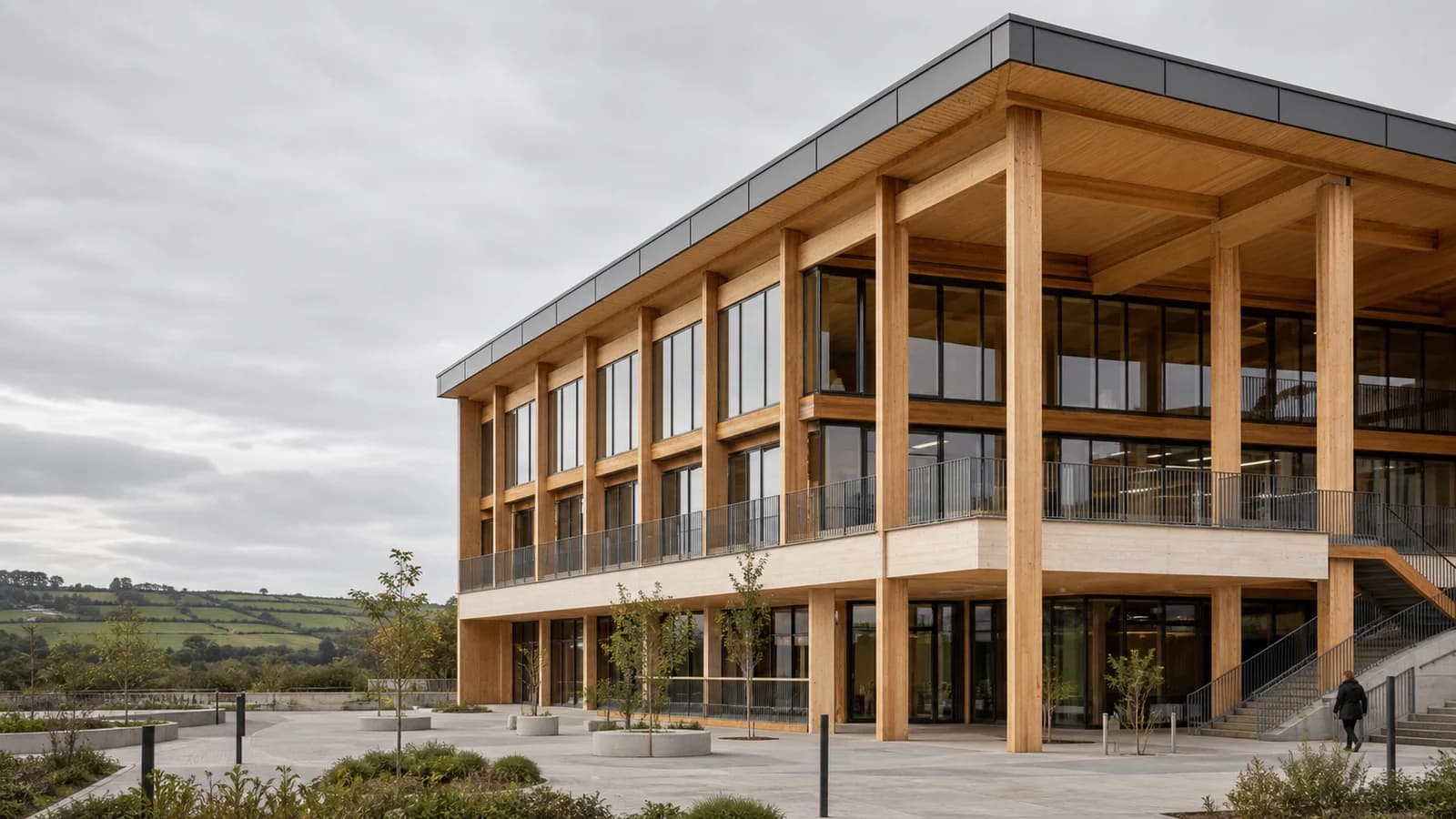
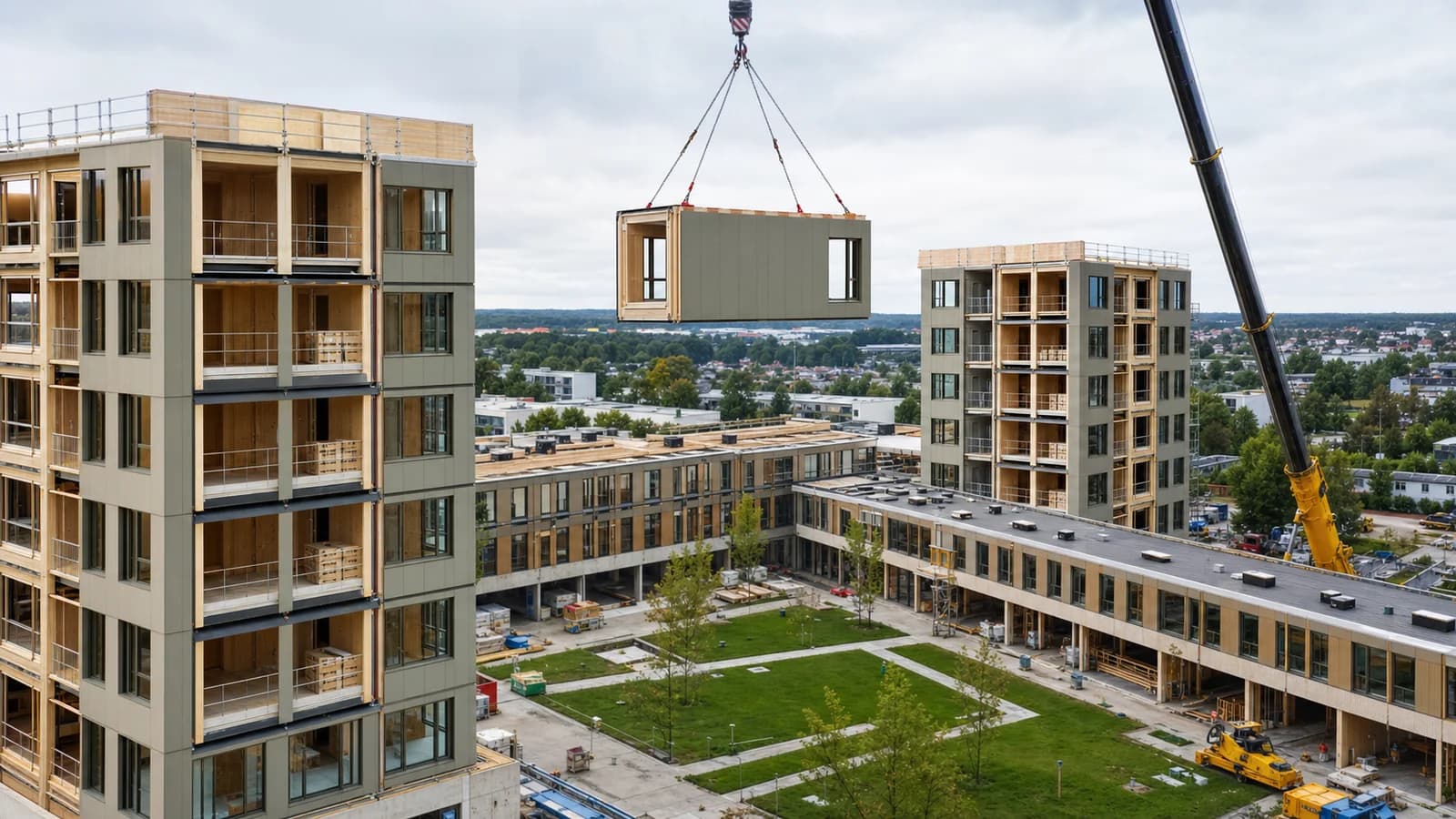
The Wood Hub brought together companies associated with timber homes, glulam, joinery, façades, bio-based materials, machinery and digital production. For the Romanian market, that breadth is as important as any single product demonstration. A modern timber building is a coordinated assembly, not a stack of isolated materials.
Why nZEB is the right context
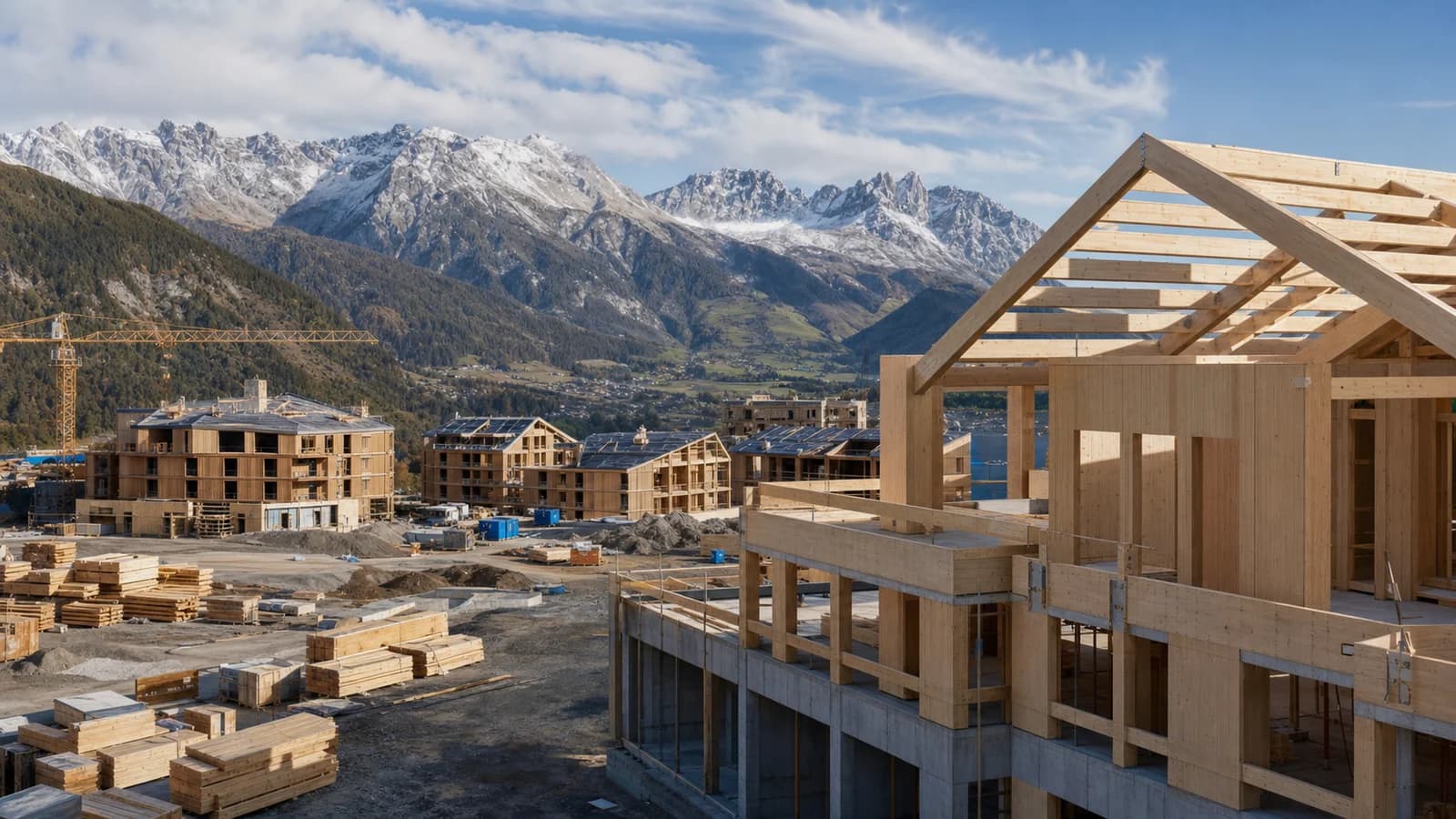
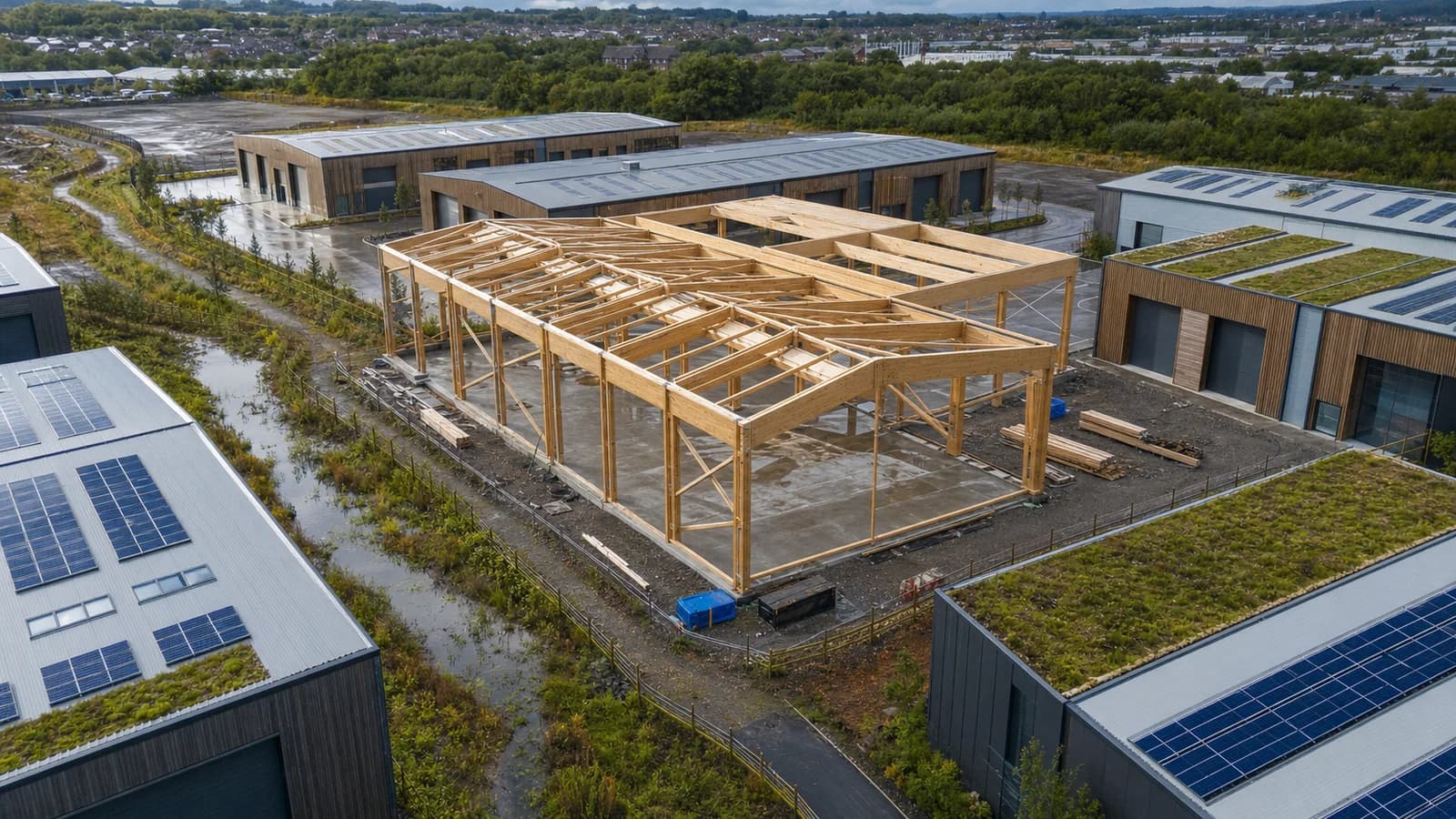
Nearly zero-energy building requirements have shifted attention toward envelopes, thermal bridges, airtightness and controlled ventilation. Timber frame can support highly insulated walls with relatively low structural weight, but good results depend on detailing and execution.
Placing timber systems inside an nZEB exhibition encourages comparison on building performance rather than appearance alone. Visitors can ask how wall panels handle vapour control, how junctions are sealed, how windows are installed and how factory prefabrication is verified.
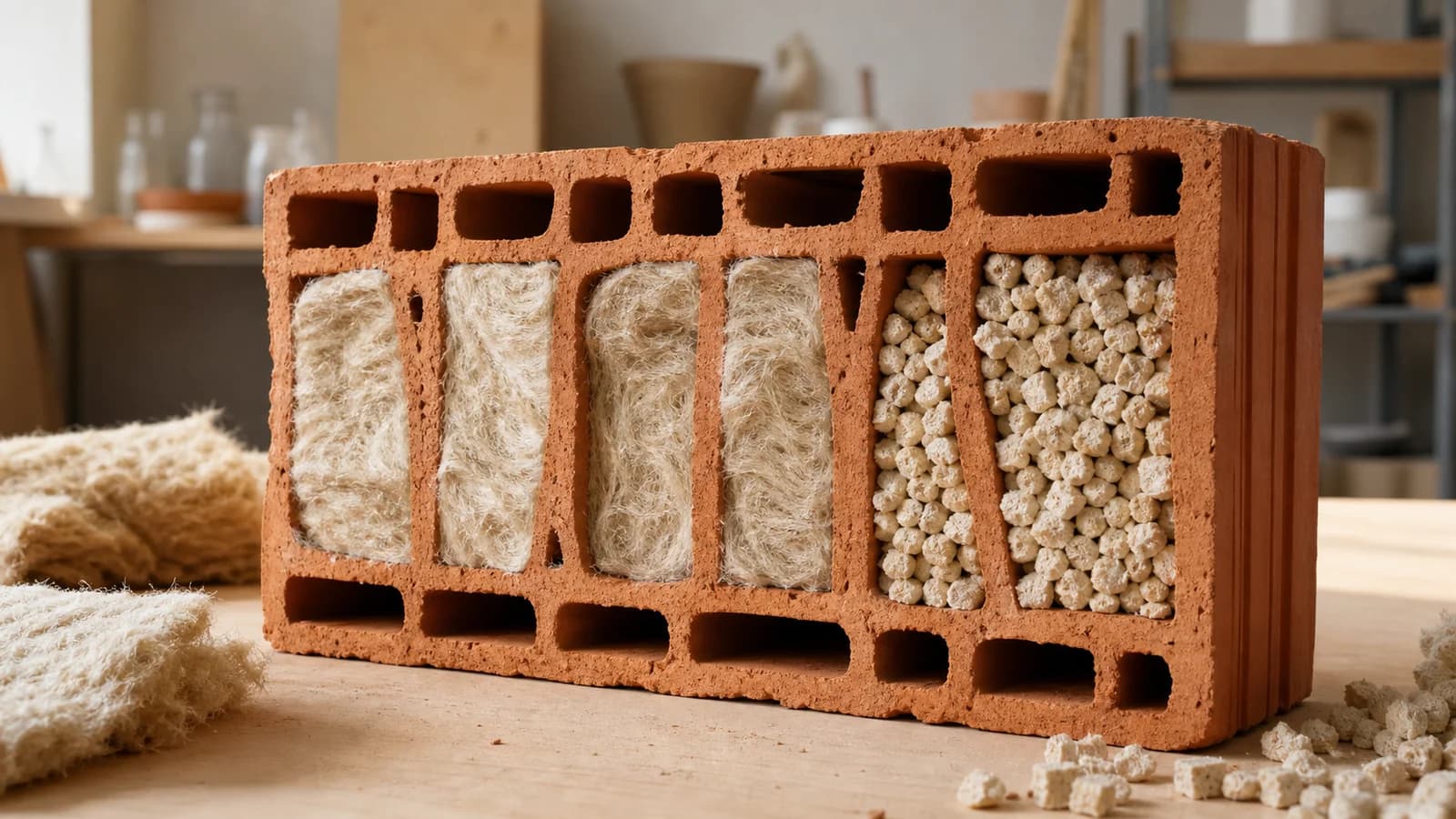
It also helps challenge a persistent misconception: timber frame is not automatically energy efficient. The frame provides a platform. Insulation continuity, membranes, service cavities, fixings and site quality determine the completed envelope.
A market signal, not proof of scale
ASFOR described the 2026 display as evidence that advanced technological performance can be achieved in Romania. That is a reasonable industry signal, but an exhibition cannot by itself demonstrate nationwide capacity, long-term durability or cost competitiveness.
Those questions require built projects and transparent data. Manufacturers need to publish tested assemblies, fire classifications, acoustic results, environmental declarations and installation requirements. Designers need access to reliable digital objects that match products actually available. Contractors need training that continues beyond the event.
The platform can be most useful if it converts visibility into repeatable collaboration: shared details, factory visits, design workshops, pilot projects and feedback from completed buildings.
What digital timber design can contribute
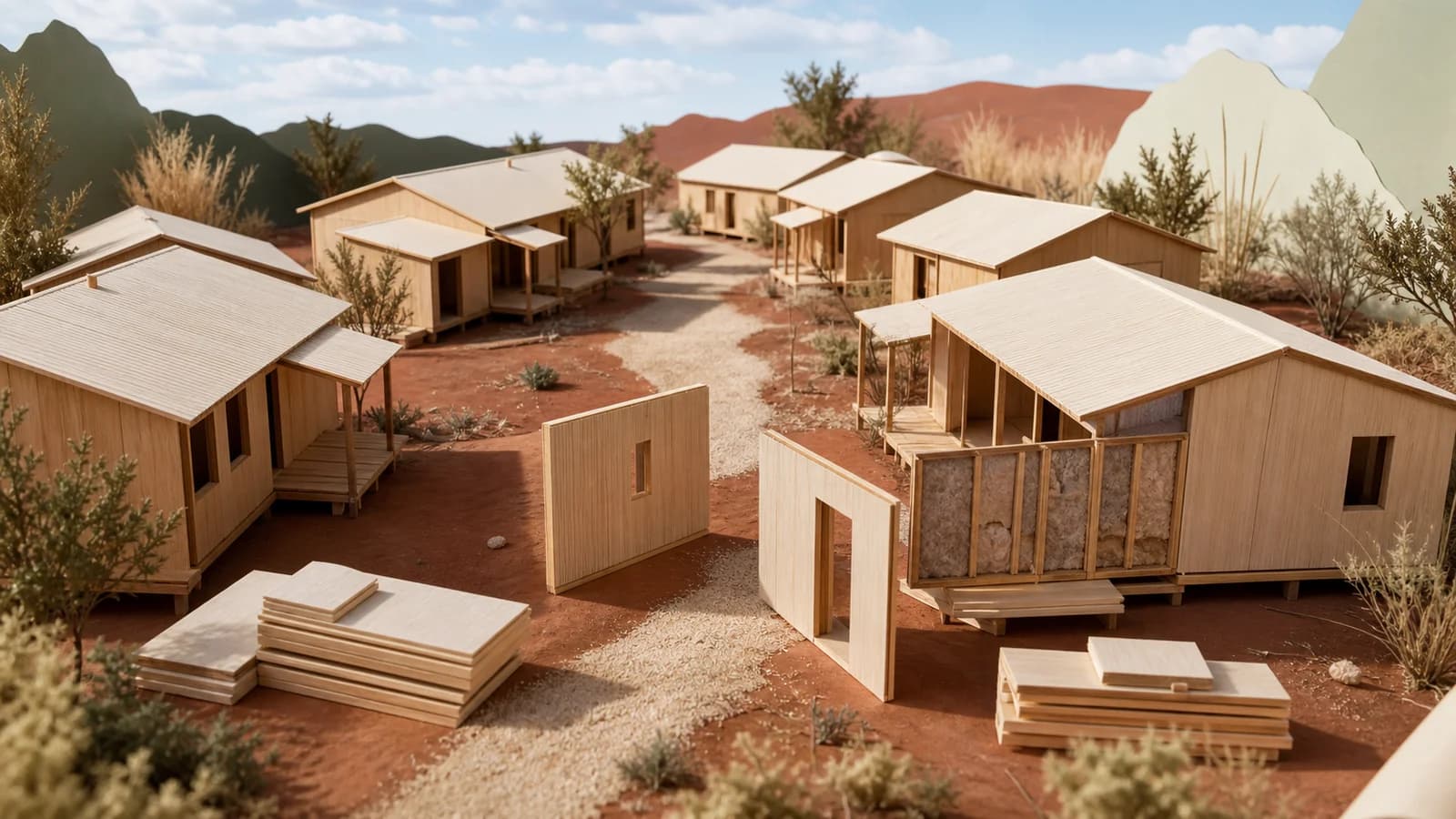
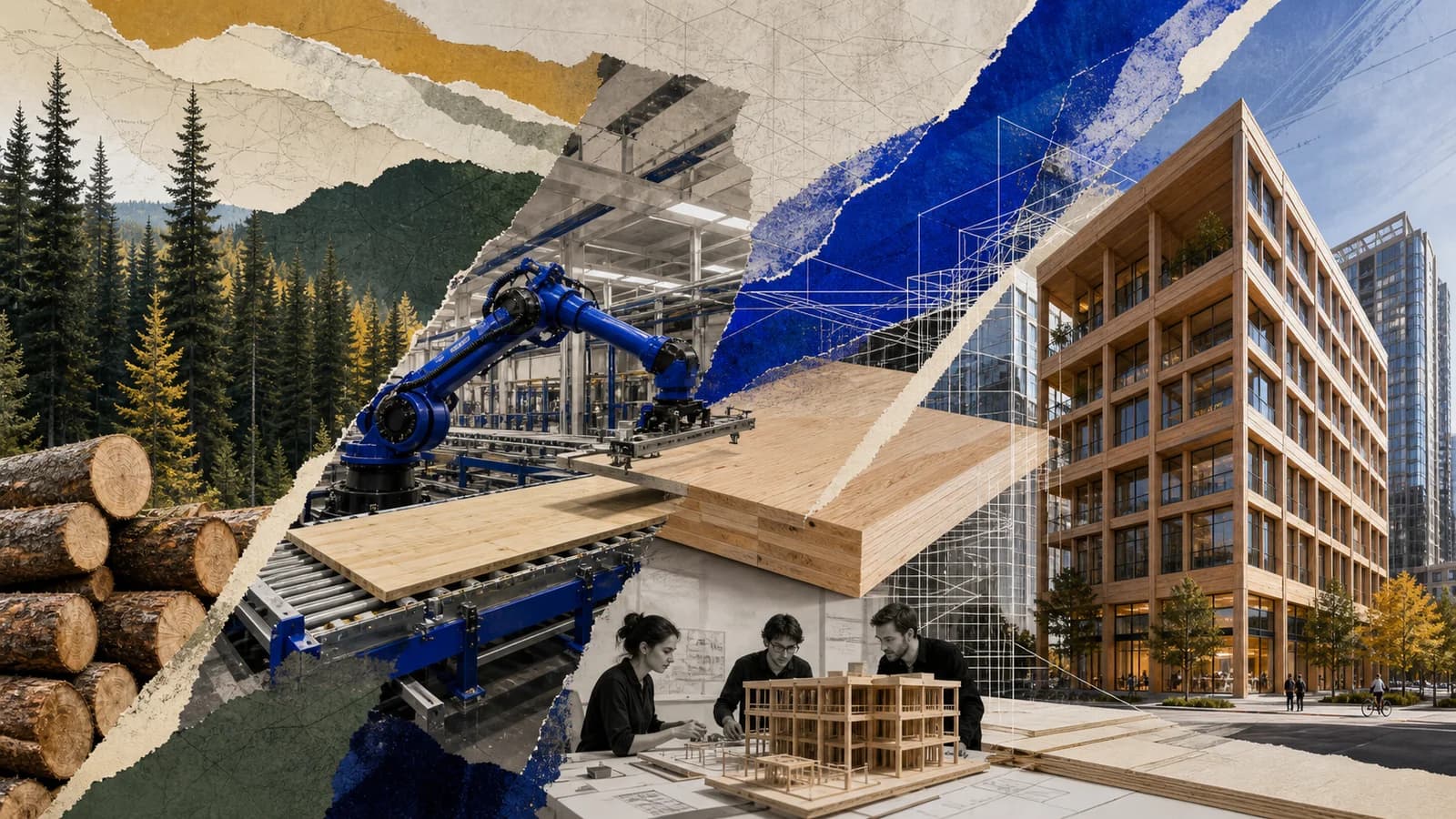
The companies represented at such an event increasingly depend on accurate information exchange. A timber-frame model can connect architecture to stud layouts, openings, sheathing, cut lists and panel production. It can also carry thermal and sourcing data into project reports.
For Romanian manufacturers, common data standards would make it easier to work with architects at home and export engineered systems abroad. For clients, digital traceability can make claims about materials and performance easier to audit.
The Wood Hub’s move from a temporary stand to a named thematic partner suggests that timber is gaining a clearer identity within Romania’s high-performance construction market. The next milestone will be turning that identity into buildings that are measured after handover.
The autumn continuation
The network planned to continue its Timber Partner role at the autumn nZEB Expo edition in Cluj-Napoca. That gives the initiative a chance to reach another major design, technology and construction centre.
The headline from Bucharest is not simply the size of the floor area. It is the formation of a place where Romania’s timber supply chain can present itself as a coordinated building sector. If the community follows through with evidence, education and interoperable design data, the 352-square-metre platform may have an impact far beyond the exhibition hall.
Sources
Revista din Lemn, “Hub-ul Lemnului: de la comunitate la club de elită, de la stand la parteneriat strategic”, 1 March 2026: https://revistadinlemn.ro/2026/03/01/hub-ul-lemnului-de-la-comunitate-la-club-de-elita-de-la-stand-la-parteneriat-strategic/
ASFOR, “Construcțiile pe structură de lemn: o oportunitate strategică pentru economia și mediul României”, 14 June 2026: https://asfor.ro/2026/06/14/constructiile-pe-structura-de-lemn-o-oportunitate-strategica-pentru-economia-si-mediul-romaniei/