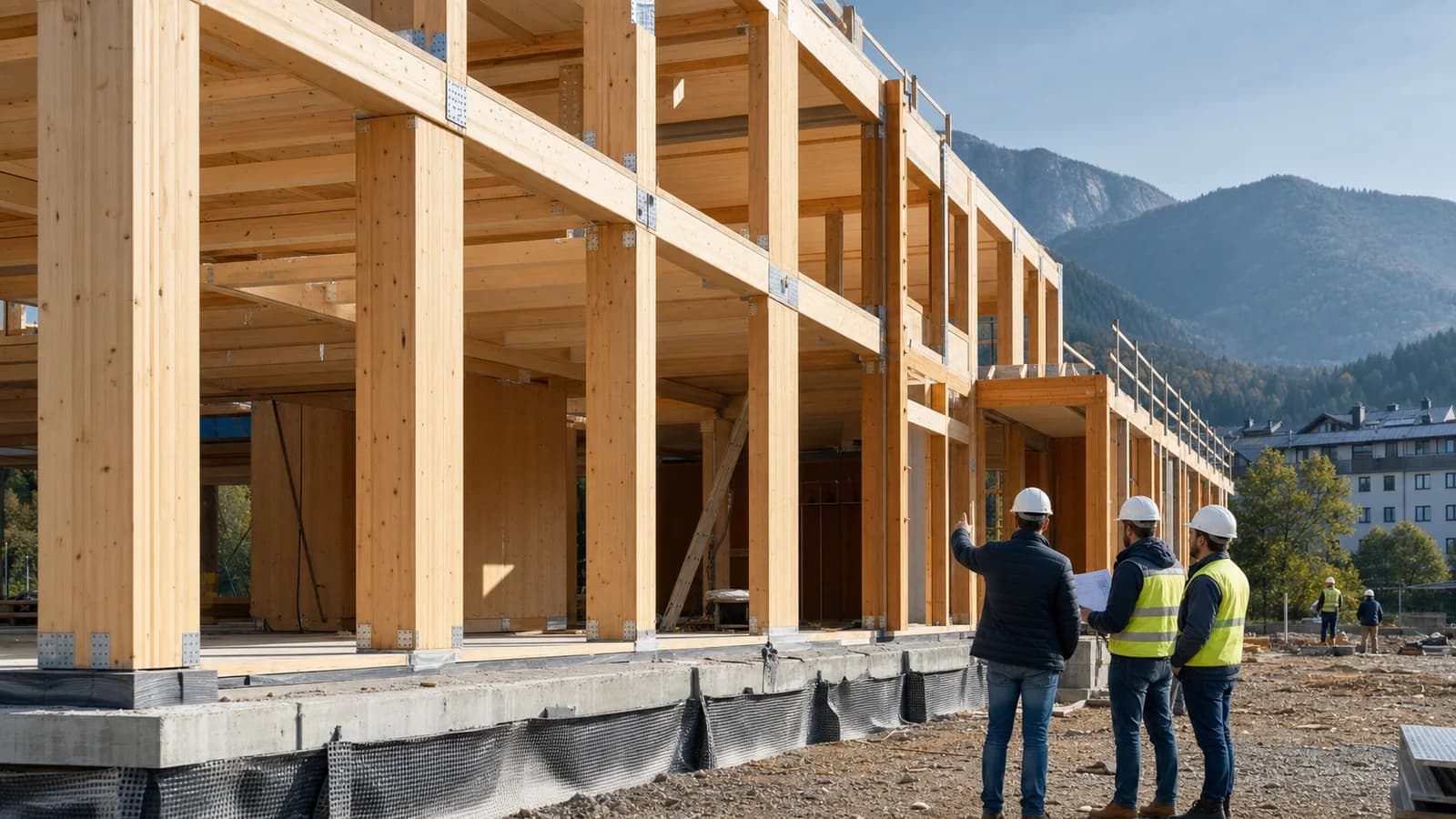
Romania’s Timber Industry Calls for 25% Wood in Every New Public Building
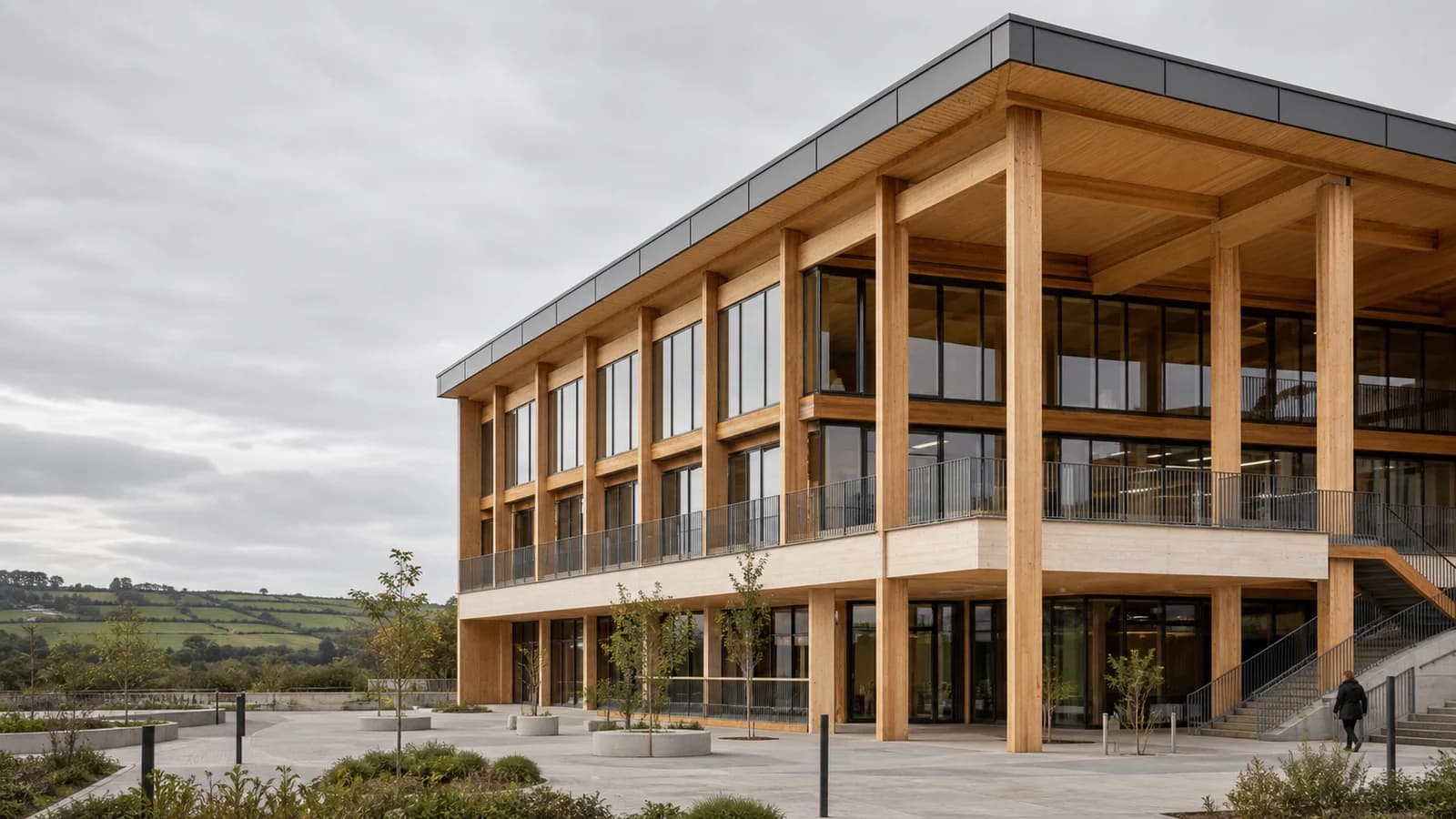
ASFOR is asking Romania to require wood products to represent at least 25% of the value of each new public building. The 2026 proposal could reshape procurement, but it is an industry position—not an adopted law.
A “Wood First” debate reaches Romania
Romania’s forestry industry has placed a clear number at the centre of its 2026 construction policy campaign. The Association of Romanian Foresters, ASFOR, proposes that wood and wood-based products should account for at least 25% of the value of every new public building.
The idea is designed to turn general climate commitments into a procurement rule that can be measured in tenders and contracts. ASFOR argues that public demand for schools, hospitals, administrative buildings and other facilities could support domestic processing, retain more value in rural regions and increase the long-term use of renewable materials.
The status of the measure is essential: it is a proposal from an industry association, not a legal requirement currently in force. No project should present the 25% threshold as mandatory unless legislation or procurement rules are formally adopted. The campaign is nevertheless important because it makes wood construction a public-policy question rather than only a private-market choice.
Why use a percentage of project value?
ASFOR proposes measuring wood and derived products as a share of construction value. This is easier to insert into procurement language than a requirement that every building use a timber structural frame. It leaves room for multiple applications: structural timber, CLT or glulam, roof elements, façades, windows, doors, interior joinery and furniture.
That flexibility is also the proposal’s central challenge. A value threshold does not automatically prove that a project has lower embodied carbon or better technical performance. Expensive decorative products could satisfy part of the target while the main structure remains unchanged. Prices can fluctuate, and imported products could meet a broadly written wood category without strengthening Romanian manufacturing.
A workable policy would therefore need definitions. It would have to establish which products count, whether origin or certification criteria are allowed under procurement law, how recycled and reused wood is treated, and what evidence contractors must submit. It would also need safeguards against using unnecessary material simply to reach a percentage.
Carbon reporting should sit beside the financial threshold. Quantity, product type, declared environmental performance, expected service life and end-of-life scenario provide more useful information than price alone.
Romania already has technical foundations for modern timber
The policy conversation does not begin from zero. Romania has a long tradition of timber building and a modern engineering sector producing timber frames, glulam and prefabricated components for domestic and export markets. Its technical rules include provisions for timber structures and cross-laminated timber.
This matters because a procurement policy cannot succeed on political language alone. Architects, structural engineers, fire specialists, manufacturers, contractors and building-control authorities need a shared technical basis. Standardised details, tested assemblies and reliable documentation are necessary if public clients are to buy timber systems confidently.
ASFOR used the 2026 nZEB Expo in Bucharest as evidence that Romanian companies can deliver technologically advanced wood construction. The Wood Hub, presented as the event’s Timber Partner, occupied 352 square metres and brought manufacturers and specialists into an energy-efficient construction exhibition.
An exhibition is not the same as national production capacity. It does, however, show a network forming around products, knowledge and project delivery.
From raw material to higher-value construction products
Romania’s larger economic question is where value is created. Selling minimally processed material produces less local value than converting a verified resource into engineered components, finished panels or complete building systems.
ASFOR’s June 2026 commentary argues that forestry and the wood industry contribute about 3.5% of gross domestic product and can generate a trade surplus of up to €2 billion annually. These figures come from the association and should be read as sector estimates. The policy argument behind them is that domestic construction demand could reduce dependence on volatile export markets while supporting factories, engineering services and skilled employment.
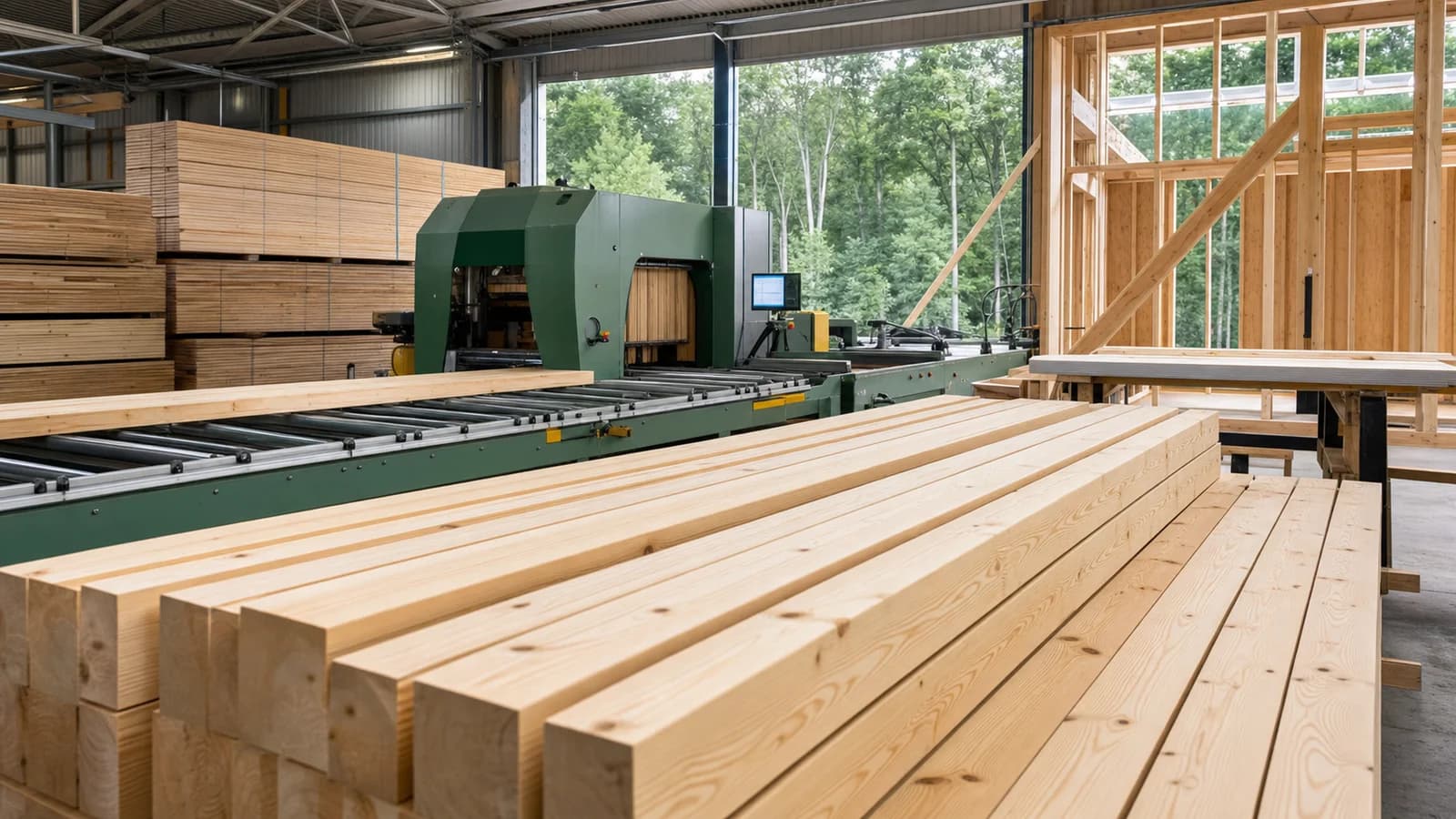
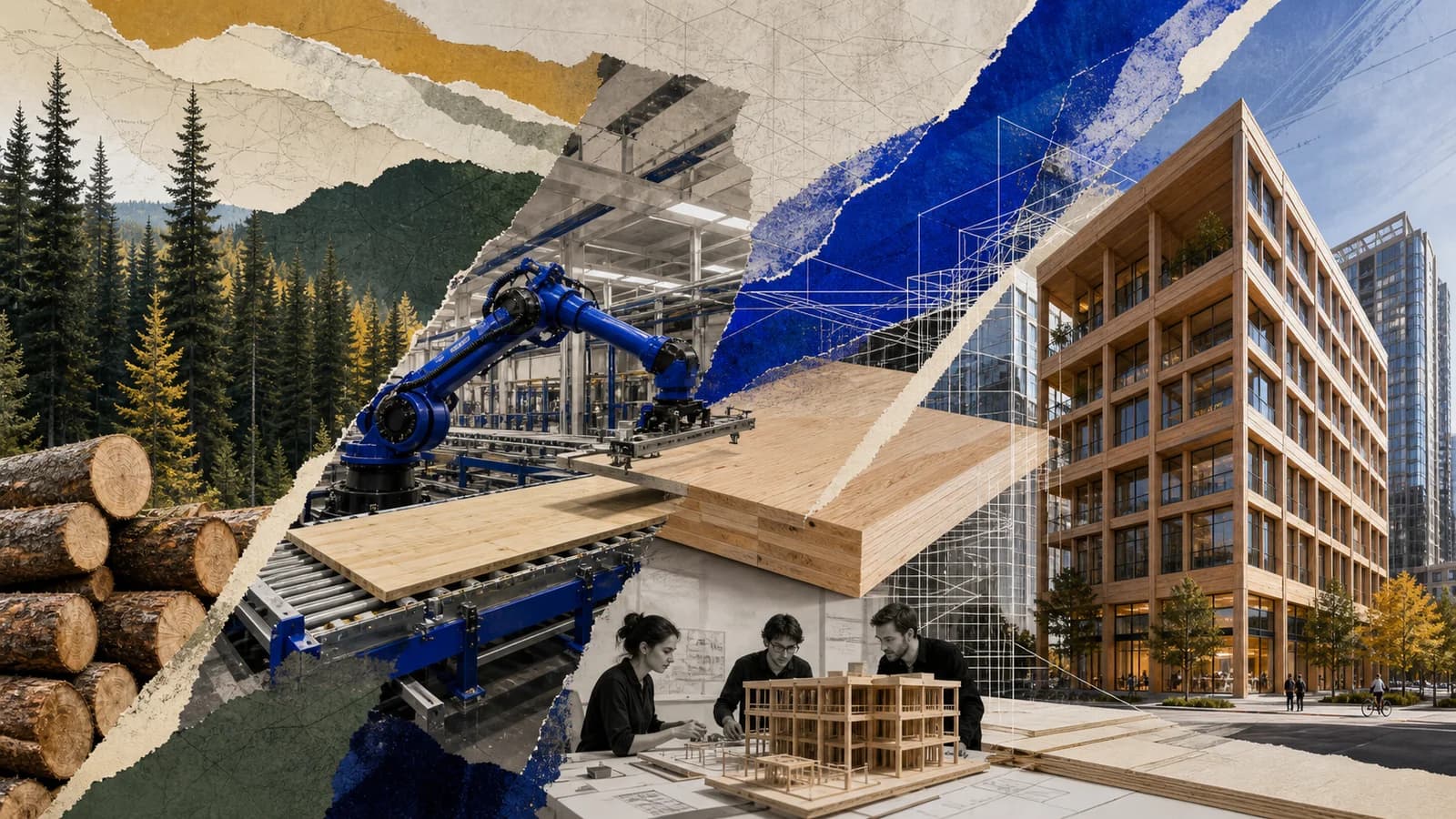
Higher processing also requires investment. Structural products need controlled drying, grading, adhesives or mechanical connections, CNC machining, quality systems and traceable data. A public target without a supply-development plan could create price pressure or increased imports. A phased programme, pilot projects and transparent demand forecasts would give the market more time to respond.
Forest protection and timber use must be addressed together
Any proposal to expand wood construction in Romania immediately raises legitimate questions about forests, legality and biodiversity. A credible policy cannot treat every cubic metre as equivalent. It must distinguish legal, responsibly managed supply from material without verified origin and ensure that construction demand does not weaken conservation objectives.
Long-lived products can store biogenic carbon during their service life, but this does not erase emissions from harvesting, processing, transport and construction. Nor does it make forest carbon accounting simple. The climate result depends on management, regeneration, landscape conditions, substitution assumptions and what happens to the product at the end of its life.
Public procurement can require chain-of-custody documentation, product declarations and project-level material records. Digital traceability should connect each specified product to supplier documentation and, where applicable, environmental product declarations. For prefabricated structures, that information can flow from the design model into bills of materials, cutting lists and handover records.
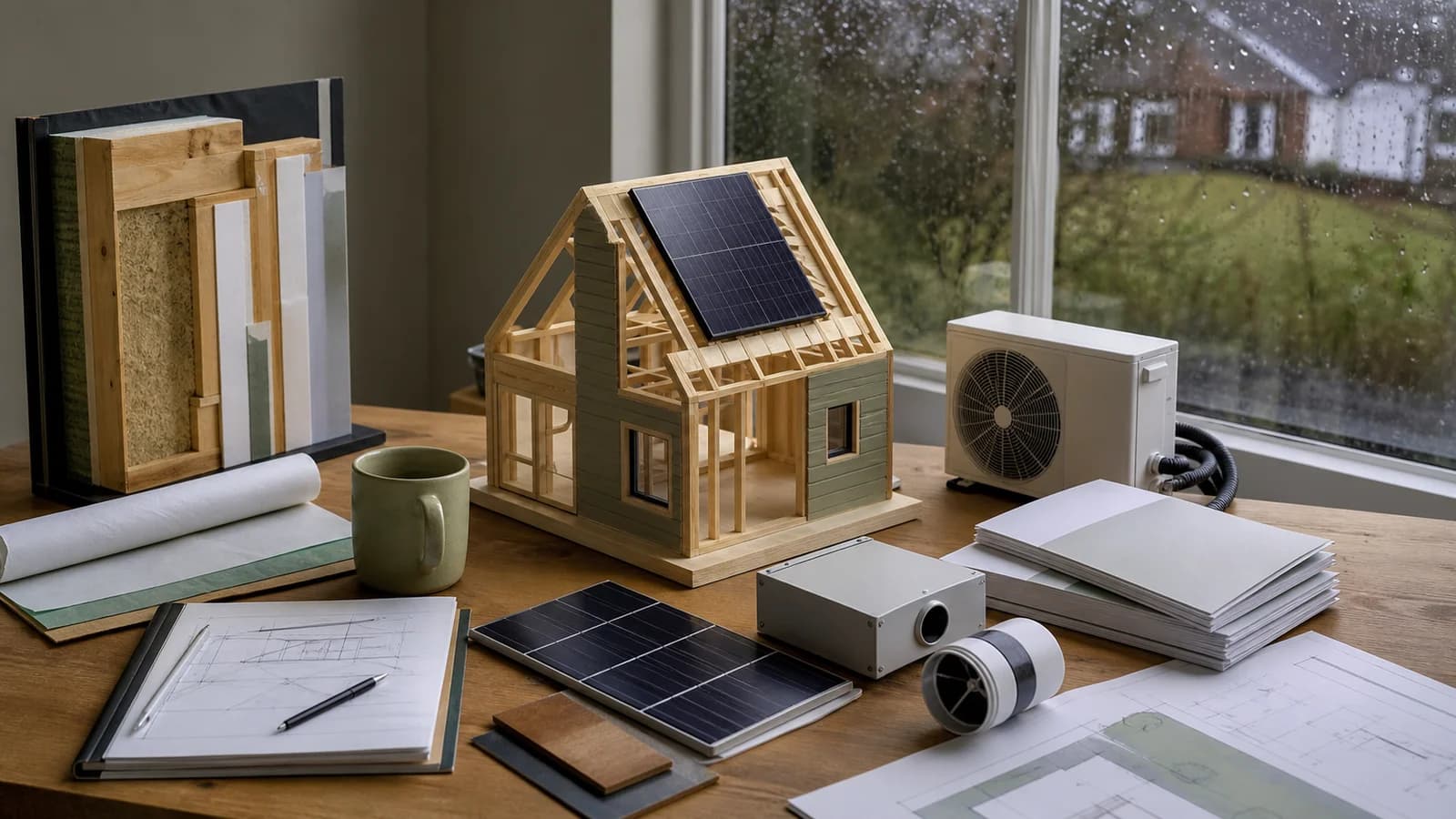
This is a direct opportunity for FrameVerk-type software. A designer should be able to see not only geometry and cost but source, certification status, carbon factors and the percentage of qualifying material in the project.
A 25% rule would change design workflows
If the proposal became law, teams would need to address it at concept stage. Waiting until tender to add wood products would lead to poor substitutions and missed opportunities. Structural grids, fire strategy, moisture protection, acoustics and service integration all influence which timber systems are viable.
Public clients would also need new evaluation skills. The lowest initial price does not capture erection speed, reduced foundation loads, factory quality, carbon storage or future adaptability. Conversely, timber should not receive automatic credit if a system is poorly detailed, difficult to maintain or sourced without credible evidence.
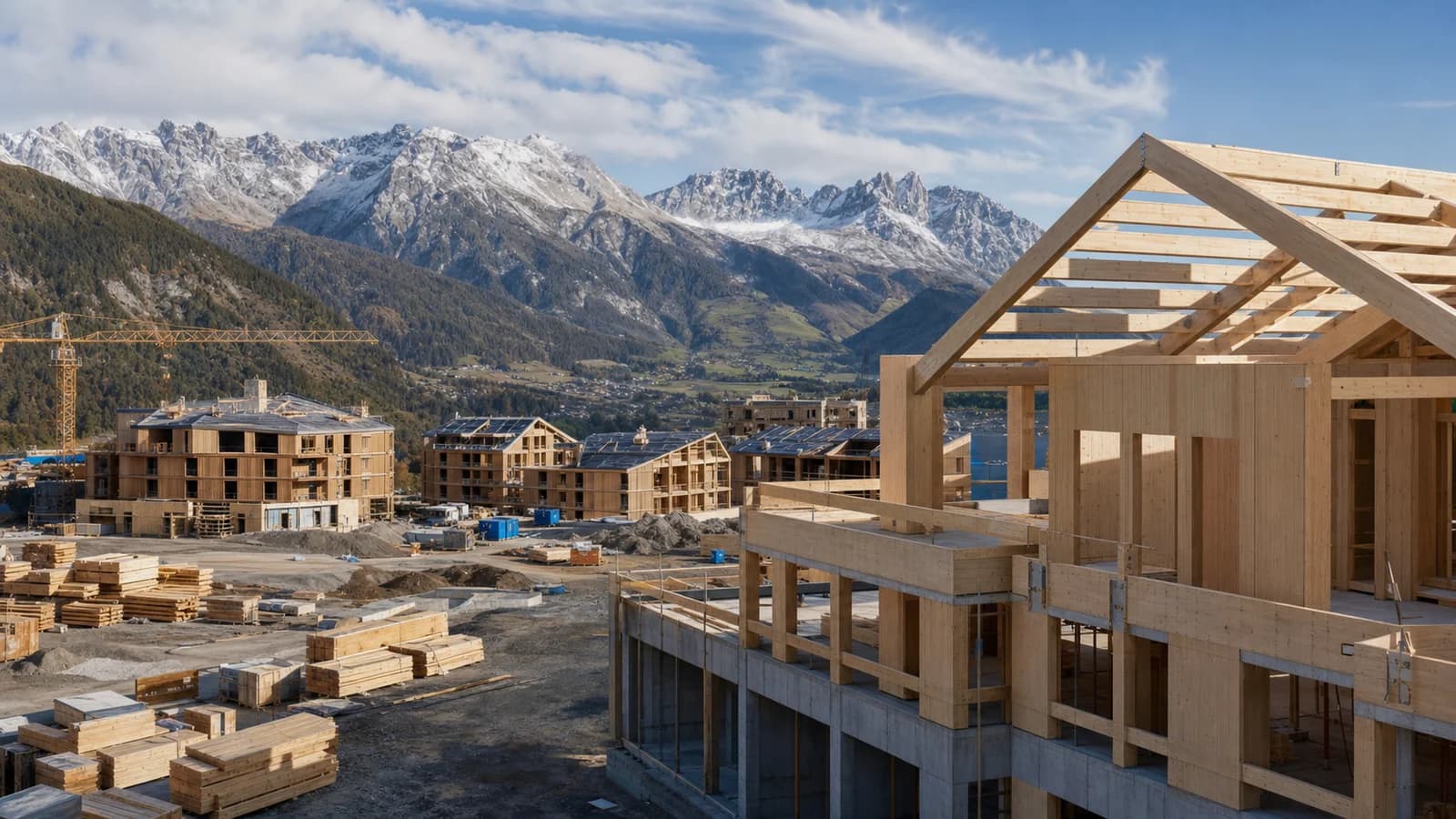
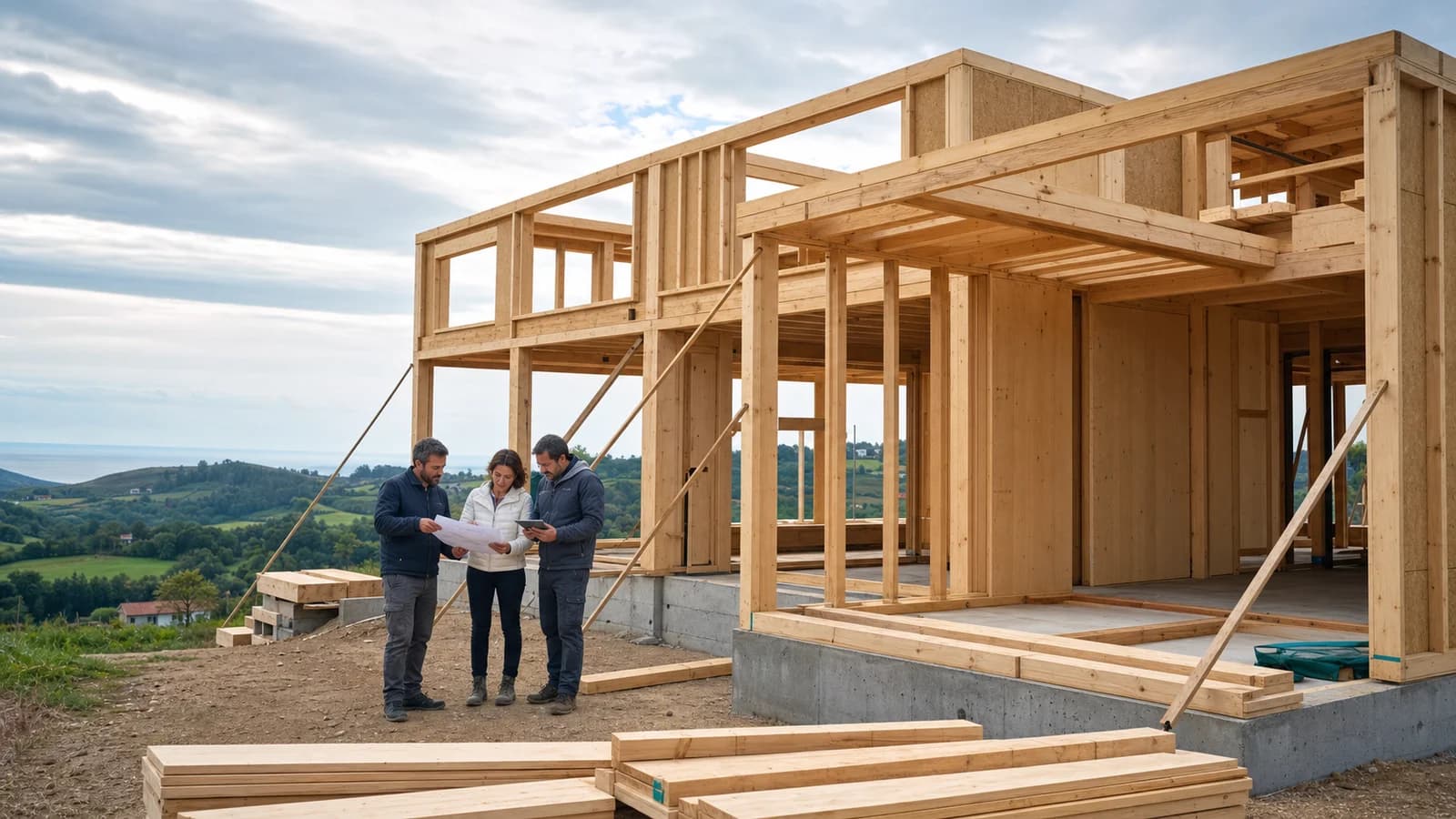
Pilot buildings could test several procurement approaches. One might use a timber structural frame; another could combine a hybrid structure with timber façades and interiors; a third might focus on locally manufactured roof and wall systems. Results should be published, including costs, change orders, construction time, fire approvals, moisture monitoring and whole-life carbon.
The difference between a headline and an implementable policy
“25% wood in every new public building” is a powerful headline because it is simple. Implementation will be less simple. A robust rule needs product definitions, technical standards, audit methods, sustainability requirements and a clear relationship with European procurement law.
It also needs to avoid equating national origin with sustainability. Supporting domestic value chains is a legitimate industrial objective, while public procurement must follow legal principles and environmental claims must be verifiable.
The proposal could be strengthened by focusing on outcomes alongside material share: maximum embodied-carbon thresholds, minimum traceability requirements, design for disassembly, durability plans and post-occupancy reporting.
What happens next
In May 2026, ASFOR’s Spring Congress used a 30% Romanian-wood figure in its strategic demands, while the association’s detailed June construction proposal specified at least 25% of the value of new public buildings. That difference demonstrates why final legal text would matter more than campaign language.
For now, designers and manufacturers should treat the debate as a market signal. Public-sector timber demand may become more explicit, and teams that already manage verified materials, constructible details and reliable carbon data will be better prepared.
Romania has the resource, engineering experience and manufacturing base to make timber construction a larger part of its economy. Whether the 25% proposal becomes policy will depend on government, legal design and public confidence. The productive next step is not to assume the law exists, but to build evidence through transparent, well-monitored projects.
Sources
ASFOR, “Construcțiile pe structură de lemn: o oportunitate strategică pentru economia și mediul României”, 14 June 2026: https://asfor.ro/2026/06/14/constructiile-pe-structura-de-lemn-o-oportunitate-strategica-pentru-economia-si-mediul-romaniei/
ASFOR, “Congresul de Primăvară al Forestierilor”, 24 May 2026: https://asfor.ro/2026/05/24/congresul-de-primavara-al-forestierilor-modernizarea-utilajelor-prin-dr-24-trebuie-dublata-de-o-industrie-a-prelucrarii-lemnului/
ASFOR, “Industria lemnului: avem resursa, ratăm valoarea”, 21 June 2026: https://asfor.ro/2026/06/21/industria-lemnului-avem-resursa-ratam-valoarea/
Romanian Legislative Portal, timber and CLT technical provisions: https://legislatie.just.ro/Public/DetaliiDocument/265184