From Thatch to Tile Backer Panels: How to Protect Timber Structures for the Long Haul
Behind every long-lasting timber structure lies an invisible defense system against moisture, UV, insects, and decay. From ancient thatch to modern backer panels, this is the science of durability.
Why the invisible layers matter more than the beams you admire
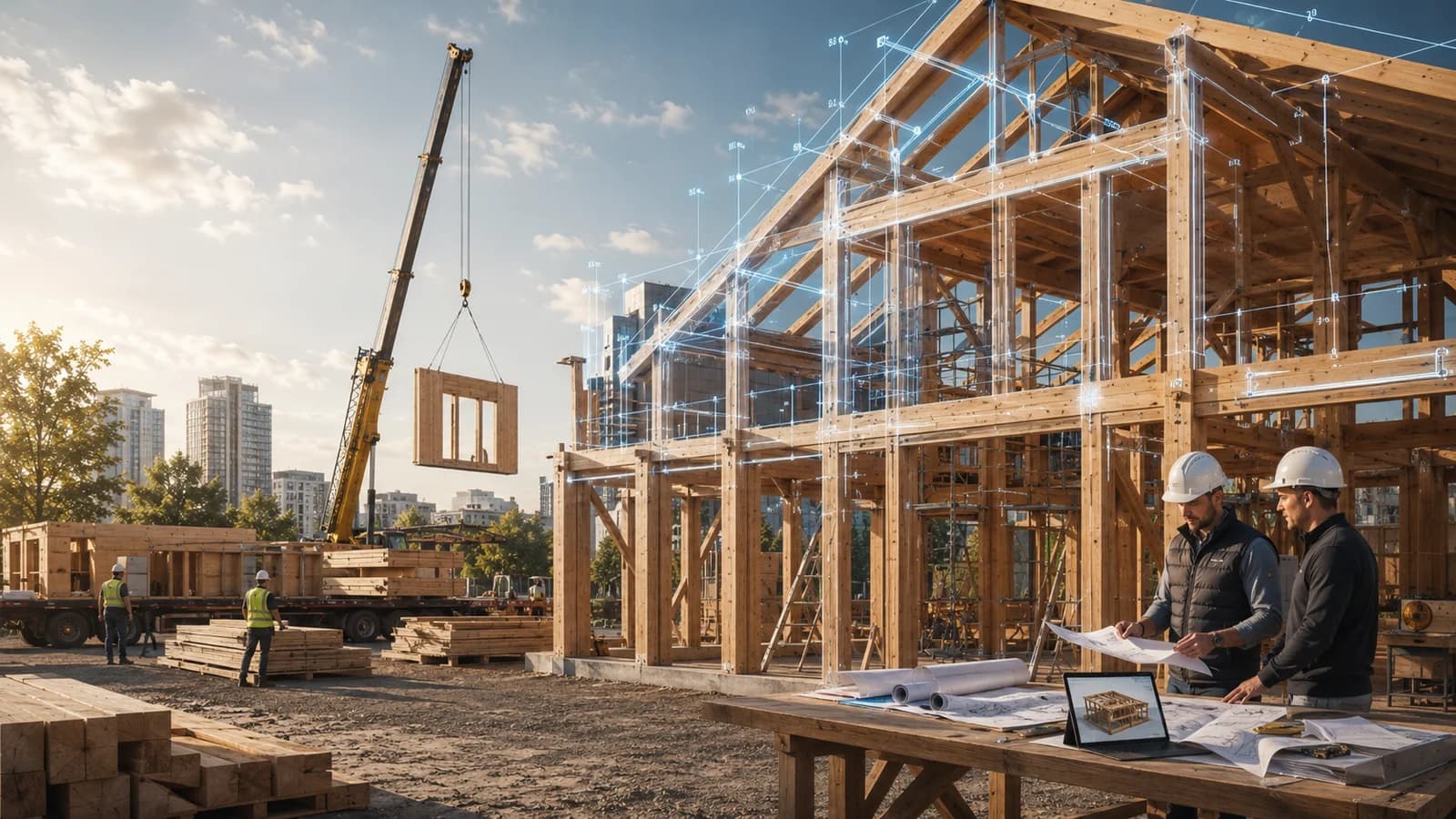
When we admire a timber-framed building—whether it’s a sleek mass-timber tower, a rustic barn, or a carefully restored Japanese kominka—what usually steals the spotlight is the exposed joinery, the soaring beams, the honest beauty of the wood itself.
But behind every timber structure that survives for generations lies something far less glamorous—yet far more important:
A layered, invisible defense system against the four great enemies of wood:
moisture, UV radiation, insects, and biological decay.
The longevity of timber doesn’t begin with the wood species alone.
It begins with how that wood is protected from the elements.
From ancient thatched roofs and limewash to modern rainscreens and cement backer panels—the technology has changed, but the physics has not:
✅ Keep liquid water out
✅ Let vapor escape
Everything else builds on these two rules.
💧 Moisture Control: The First and Most Important Battle
Wood does not fail because it gets wet.
It fails because it stays wet.
Traditional builders understood this instinctively. In classic Japanese kominka houses, deep roof overhangs—often stretching over 3 ft / 1 m—throw rain far away from walls and foundations. This simple passive strategy remains one of the most powerful defenses against decay.
But eaves alone are not enough.
🧱 Breathable Walls: Why Limewash Still Beats Plastic Paint
Before modern membranes existed, timber cultures relied on breathable surface protection.
In Europe, lime-based stucco and limewash were used for centuries because they are:
- ✅ Hygroscopic (they absorb and release moisture)
- ✅ Vapor-open (they prevent trapped condensation)
- ✅ Naturally anti-fungal
Modern acrylic and vinyl paints do the opposite:
❌ They form impermeable films
❌ Trap vapor behind the surface
❌ Accelerate hidden rot at the timber interface
Breathability isn’t a trend—it’s survival.
🌬️ The Rainscreen Principle: Drain First, Then Dry
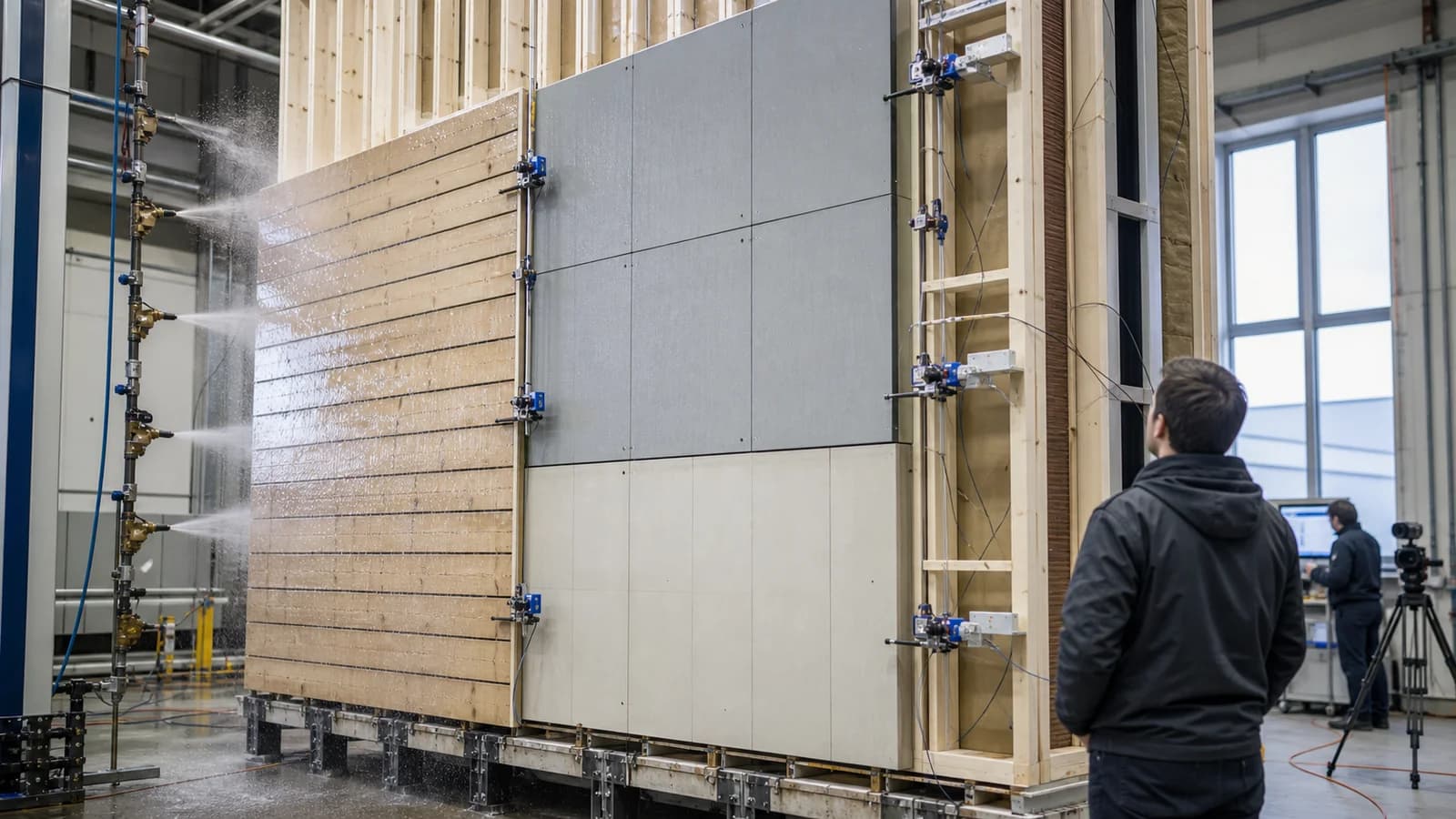
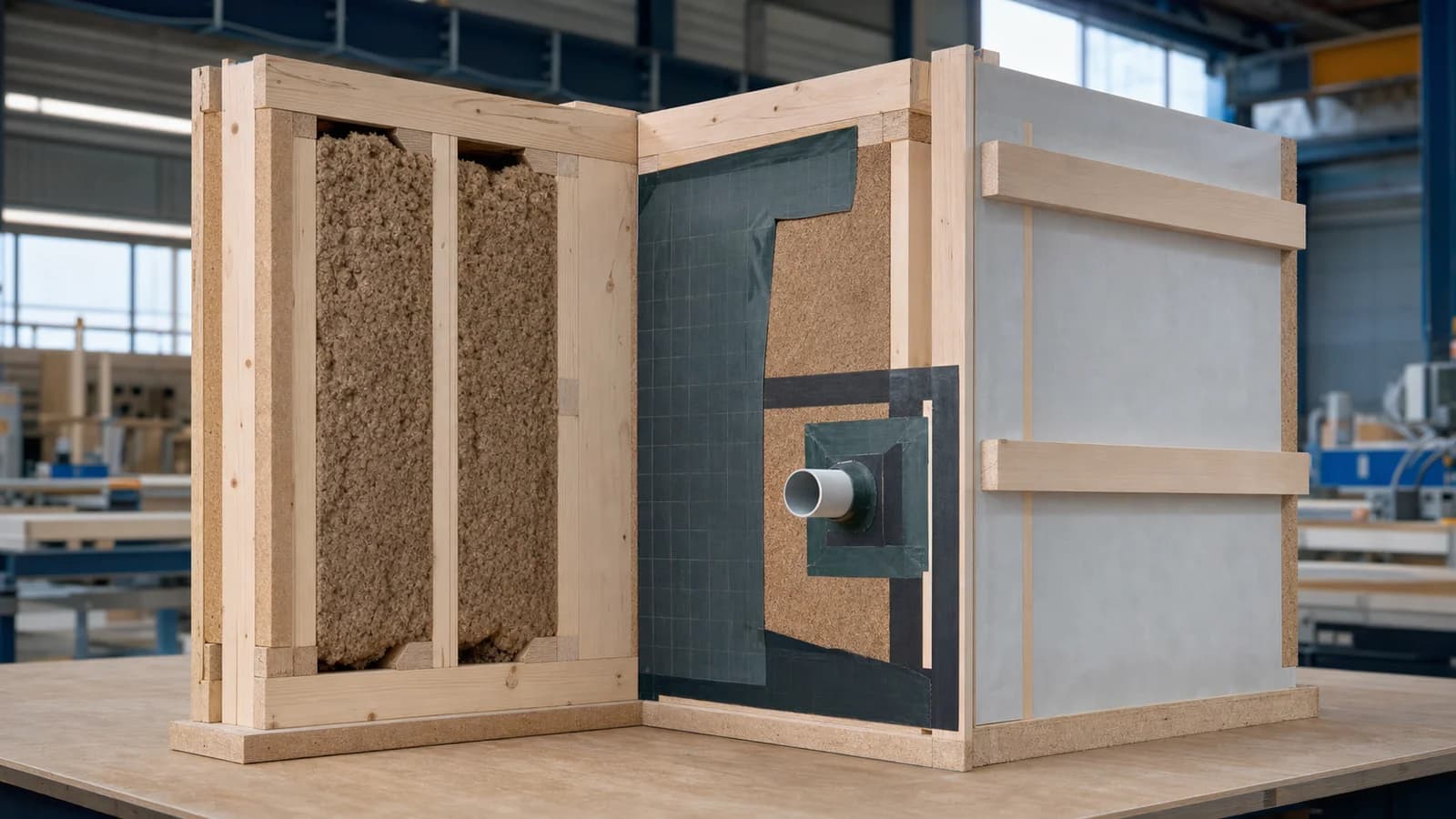
Modern timber structures apply this same logic using the rainscreen cavity:
- A ventilated air gap behind exterior cladding
- Any wind-driven rain that gets past the outer skin:
- Drains downward
- Vents harmlessly away
- Never touches the structural frame
Drain first. Dry second. Rot never starts.
This is the backbone of every high-performance timber facade today.
🧩 Tile Backer Panels: The Modern Shield Behind Cladding
Here’s where ancient wisdom meets modern materials.
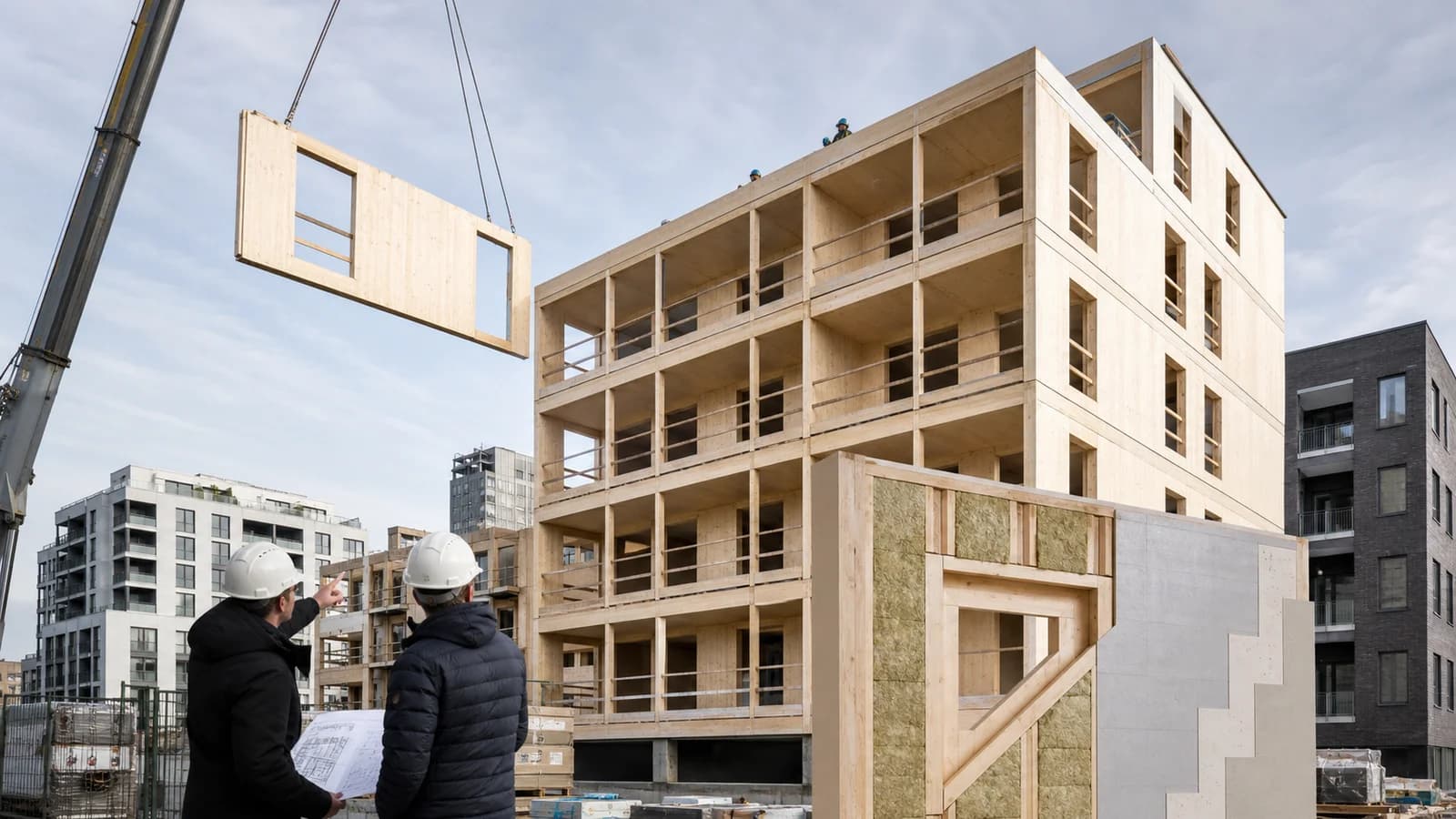
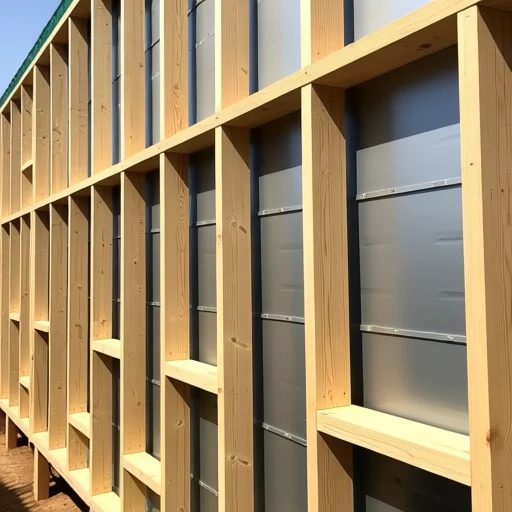
Cementitious and fiber-cement tile backer panels—originally made for wet rooms—are now increasingly used as exterior substrates behind rainscreen cladding.
Why?
They offer:
- ✅ Dimensional stability
- ✅ Zero organic content (no mold food)
- ✅ No rot
- ✅ High fire resistance
- ✅ Excellent compatibility with vapor-open membranes
Common types include:
- Cement backer board
- Fiber-cement panels
- Magnesium oxide (MgO) boards
⚠️ Critical Rule:
These panels are never attached directly to timber.
They must sit on:
- 3/8"–½" (10–12 mm) furring strips
- Creating a full ventilated drainage gap
No contact = no trapped moisture = no rot.
☀️ UV Protection: The Silent Surface Killer
Sunlight doesn’t rot wood.
It destroys lignin—the natural binder holding wood fibers together. This leads to:
- Surface checking
- Graying
- Increased water absorption
Your defense options are simple:
- ✅ Deep shade from eaves and overhangs
- ✅ Penetrating UV-blocking oils with stabilizers
- ❌ Film-forming varnishes that crack and peel
For exposed exterior beams and pergola posts:
Re-oiling every 1–2 years is not maintenance—it’s survival.
🐜 Insects & Biological Attack: Design Beats Chemicals
The strongest defense against insects isn’t poison.
It’s distance from soil and food sources.
Best practices:
- ✅ Timber ≥ 18" / 450 mm above grade
- ✅ Non-organic foundations (stone, concrete, steel piers)
- ✅ Naturally durable species at contact points:
- White oak
- Black locust
- Thermally modified wood
When Chemistry Is Useful
Borate-based preservatives:
- ✅ Penetrate deeply
- ✅ Low toxicity
- ✅ Long-term protection against fungi & insects
- ✅ Ideal for hidden structural members
They must stay sheltered from direct wetting to remain effective.
🔩 Detailing: Where Timber Lives or Dies
Most timber failures don’t start in the beams.
They start here:
- ❌ Poor flashings
- ❌ Missing drip edges
- ❌ Flat horizontal surfaces
- ❌ No capillary breaks
Water follows physics, not drawings.
Correct detailing means:
- ✅ Flashing at every roof-wall intersection
- ✅ Drip edges on every exposed horizontal timber
- ✅ Capillary breaks at post bases
- ✅ No trapped pockets where water can linger
One bad flashing can kill an entire frame.
🏁 The Real Takeaway: Protection Is a System, Not a Product
Protecting timber isn’t about buying the newest coating.
It’s about respecting physics and flow paths:
✅ Shed water first (eaves, slope, flashing)
✅ Drain what gets in (rainscreen cavities)
✅ Let vapor out (vapor-open layers)
✅ Defend selectively (durable wood + targeted preservatives)
✅ Maintain mindfully (UV oils, inspections)
From thatched roofs to tile backer panels, the goal has never changed:
Honor the beauty of timber by giving it the quiet armor it needs to survive.
Because the most sustainable timber building is not the one made from renewable wood…
It’s the one that still stands after 100 years.