Start a Timber Frame Business Under $50,000
Learn how to launch a small timber frame shop on a lean budget: tools, workspace, pricing, marketing and a first-year roadmap without going broke.
Starting a timber frame business with under $50,000 is a lot like building your very first frame:
you can do it — as long as you don’t start with a cathedral and a toy hammer.
This is your friendly, slightly sarcastic roadmap from:
“I love timber frames” → “People actually pay me for timber frames”
without needing a giant factory, a CNC robot army, or a mysterious investor uncle.
1. First Reality Check: What Business Are You Actually Starting?
Let’s clear this up gently but firmly:
You are not starting a mass-production factory.
You are starting a small, lean craft business that:
- Does a few projects per year
- Works mostly local or regional
- Builds reputation through quality and real-world results
- Survives thanks to word-of-mouth and great photos, not hype
Before you spend a single euro or dollar, pick one lane:
Frame-Only Shop
You cut and supply timber frames. Others handle foundations, walls, roofs and client emotions.
Design + Build (Small Scale)
You design, model, draw and cut frames. Higher value, more brain used.
Specialist Subcontractor
You build porches, entries, trusses and small frames for general builders.
Pick one.
“A bit of everything for everyone” is how people burn $50k and return to office life with PTSD from invoices.
2. Where the $50,000 Actually Goes
This part isn’t sexy, but it keeps you alive.
Think in rough buckets:
Tools & Equipment — ~$20k–$30k
You need:
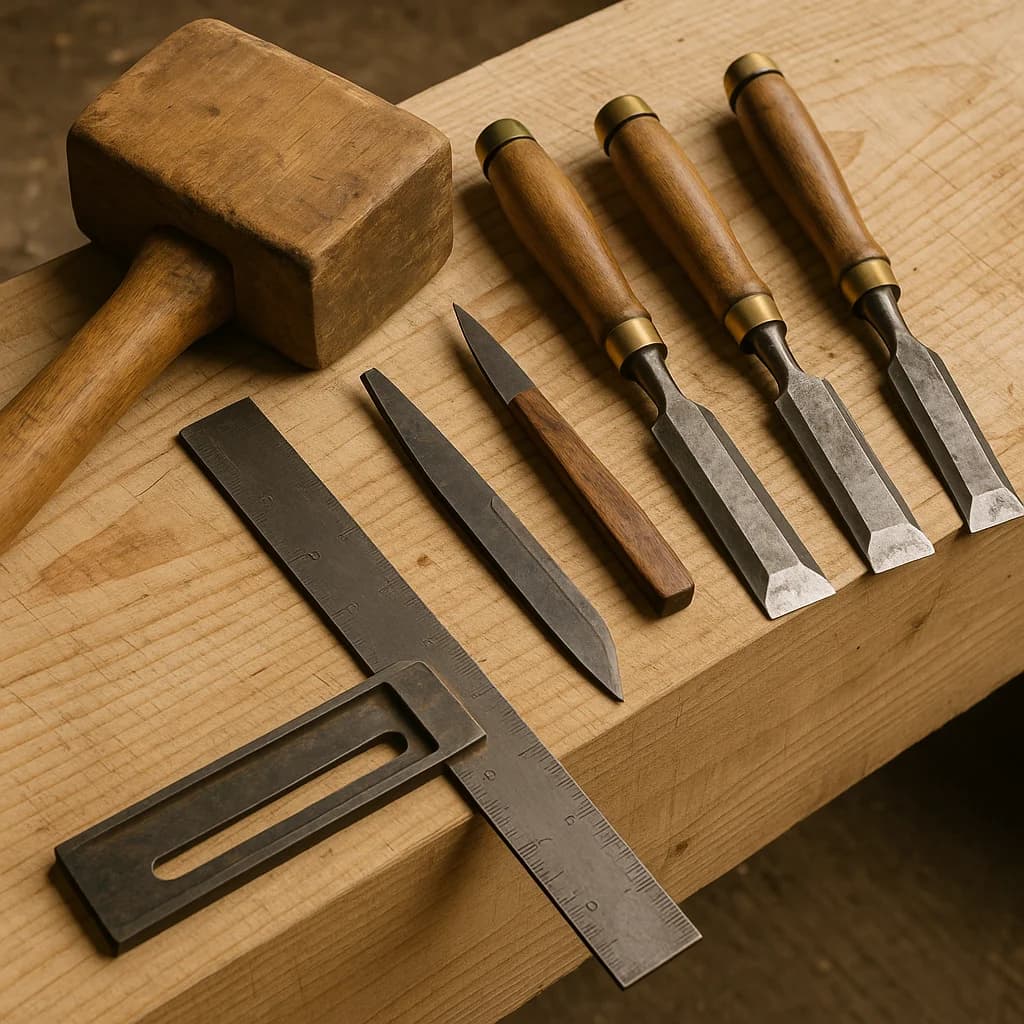
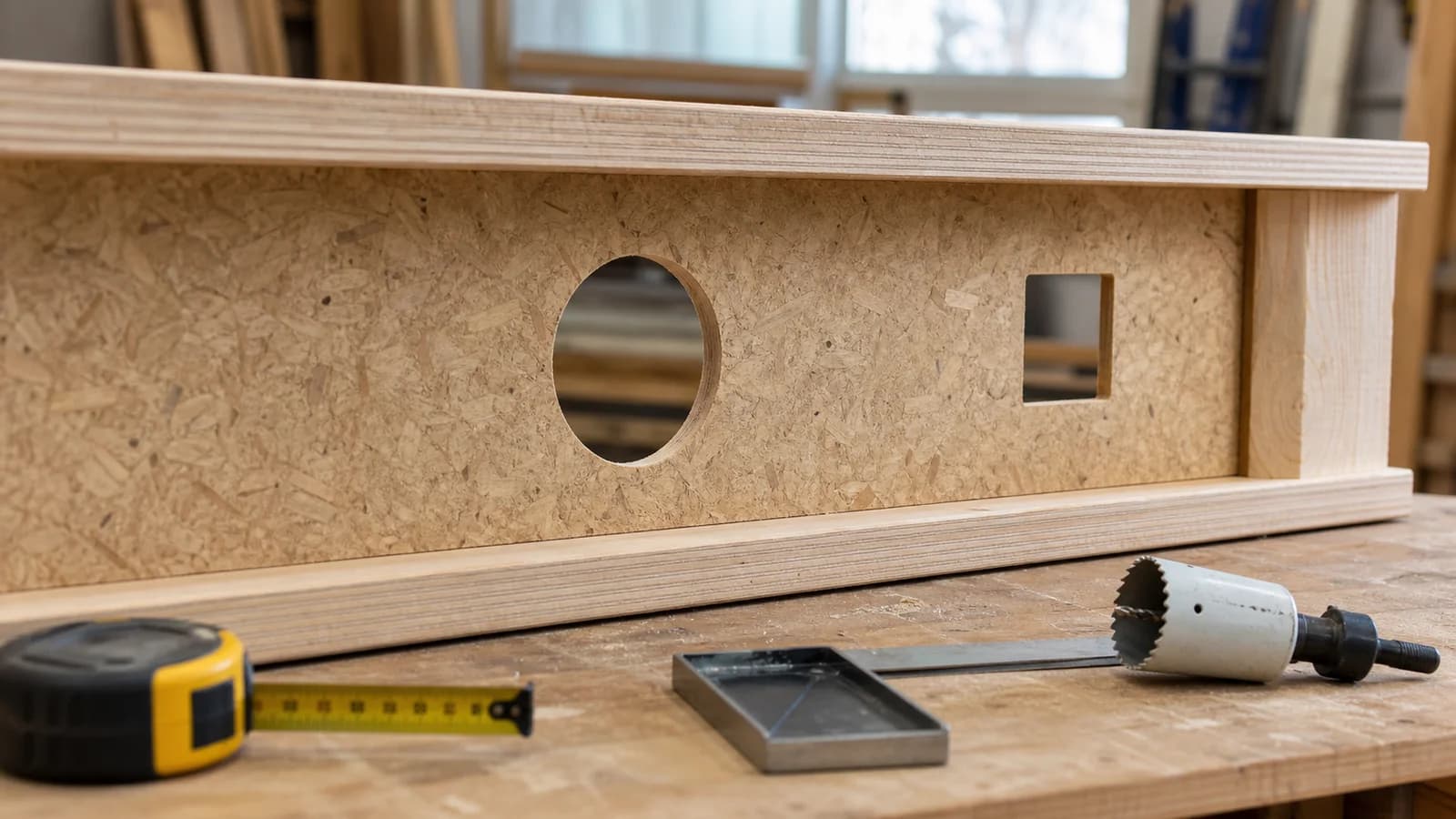
- Quality hand tools (chisels, mallets, saws, layout tools)
- Solid power tools (circular saw, mitre saw, drills, router)
- Measuring and layout gear (squares, levels, chalk lines)
You don’t need:
- Influencer tool walls
- Brand loyalty tattoos
- Tools that look cool but don’t save time
If it cuts straight, stays sharp and doesn’t smoke — it’s good enough.
Workspace — ~$5k–$10k
Small rented shop, a barn, or shared space.
You need:
- Room to lay out beams
- Decent lighting
- Enough power to run tools
You do not need Pinterest perfection.
Vehicle / Transport — ~$5k–$10k
Used van, trailer, or “use what you already have and pray”.
Spending $0 here is a valid move.
Legal, Insurance & Admin — ~$2k–$5k
- Legal entity
- Liability insurance
- Accountant (optional but highly recommended for sanity)
Marketing & Portfolio — ~$2k–$5k
- Simple website
- Good photos
- A bit of branding
Working Capital — ~$5k–$10k
This is your “unexpected reality” fund:
- Material pre-payments
- Rain delays
- Client indecision disasters
If you already own tools or a workspace, congratulations — you just gave yourself a silent financial boost.
3. The Tool Kit That Won’t Bankrupt You
Beginner Kit (First Real Jobs)
You need:
- Tape measure, framing square, bevel gauge, chalk line
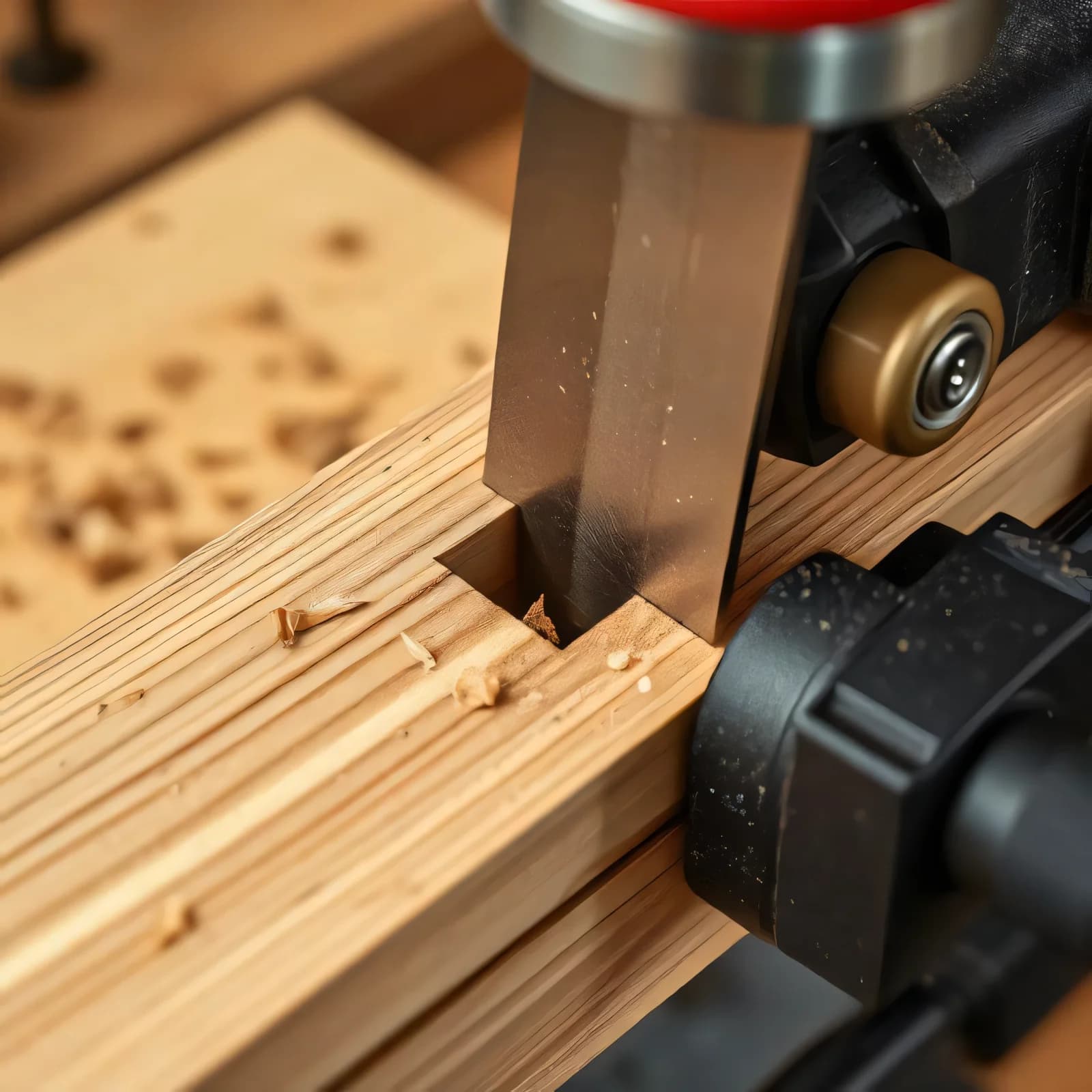
- 2–3 solid chisels
- Mallet
- Hand saw
- Circular saw
- Mitre saw
- Cordless drill/driver
- Plenty of clamps
- Sharpening stones
Sharp tools = better joints and fewer emotional breakdowns.
Smart Upgrades (After You Get Paid)
Once money starts flowing:
- Better mitre saw
- Deeper drill bits
- Higher-end chisels
- Extra sawhorses and supports
Golden Rule:
If a tool doesn’t save time, improve accuracy or reduce pain — don’t buy it yet.
4. Your First Workshop Should Be Ugly and Functional
You’re not opening a showroom.
You’re building a timber cave.
You need:
- A flat cutting area
- Space for at least one full bent
- Light
- Electricity
That’s it.
Barns, shared shops, small industrial units — all valid.
Luxury upgrades come after profit, not before.
5. Start with the Right Projects (Not Houses)
Your first paid project should NOT be a full timber house.
Start with:
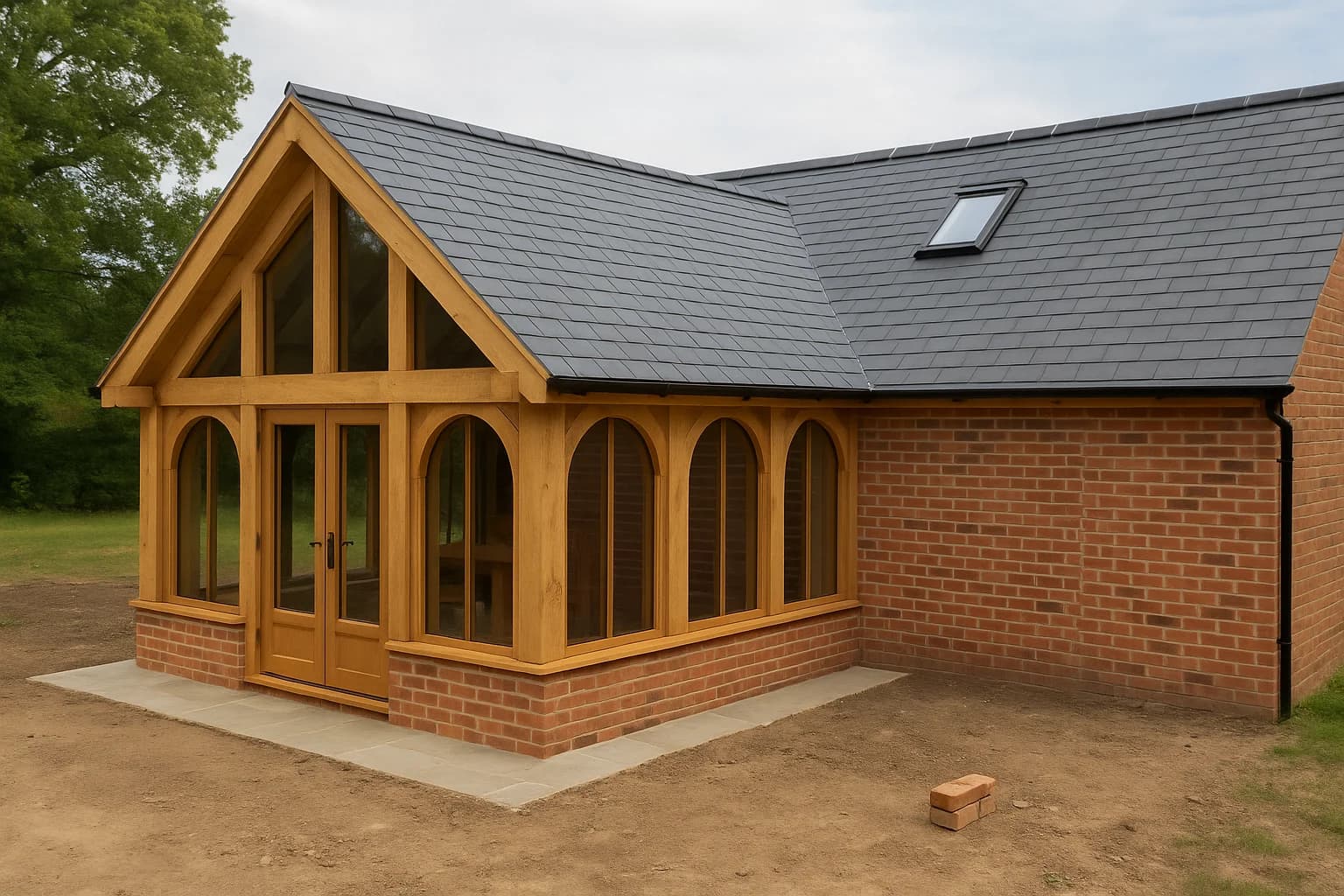
- Porches
- Pergolas
- Garden pavilions
- Carports
- Entry frames
- Decorative trusses
These are:
- Faster
- Lower risk
- Easier to price
- Easier to fix when something goes wrong
Later, after survival and confidence, you can move into:
- Small cabins
- Garages
- Bigger roofs
Then one day, quietly, responsibly… a house.
6. Pricing Without Destroying Yourself
Most craft businesses die from undercharging, not bad skills.
Use this simple formula:
Total Price = Materials + (Hours × Rate) + Overhead + Profit
Materials: timber, fasteners, finishes
Hours: design, cutting, travel, communication, mistakes
Overhead: rent, power, tools wearing out
Profit: actual profit (not imaginary leftovers)
If your first jobs come out at $5/hour, don’t panic.
Congrats — you just unlocked your next price increase.
7. Legal & Insurance (Annoying but Mandatory)
You must have:
- Legal entity
- Liability insurance
- Someone who understands taxes better than you
Think of this like safety gear:
Nobody loves hard hats — until something falls from the sky.
8. Marketing That Doesn’t Make You Cringe
You don’t need to be famous.
You need to be visible and trusted.
Minimum viable setup:
- One clean website with photos
- Google Maps business listing
- Photos of every project
- Relationships with local builders & architects
- One social platform you actually use
You don’t need:
- Funnels
- CRMs
- Daily motivational quotes about “the grind”
You need:
People to see your work, remember your name, recommend you.
9. What Your First Year Should Look Like
Months 1–2
- Business setup
- Insurance
- Basic tools
- One or two demo frames
Months 3–6
- First paying jobs
- Track every hour
- Fix pricing mistakes
Months 7–9
- Say “no” more often
- Raise prices where needed
- Upgrade only painful tools
Months 10–12
- 2–4 strong projects
- Strong builder relationships
- Honest review of what worked and what sucked
If by the end of Year 1:
- You’re not in debt
- People recommend you
- You still love timber
You’re no longer “a guy who likes timber”.
You’re the timber person.
Final Truth: Stay Small, Stay Smart
You don’t need:
- A million-dollar shop
- Ten employees
- A robotic CNC army
You do need:
- A clear business model
- A realistic tool setup
- The courage to charge properly
- A few great clients
- And the discipline to learn from every frame
Start lean.
Build slow.
Let your work speak.
And if you’re using modern design tools to model joints, preview frames and sell projects before they’re cut — congratulations. You’re not just a craftsperson anymore.
You’re a timber frame business owner in 2025. 🪵🔥