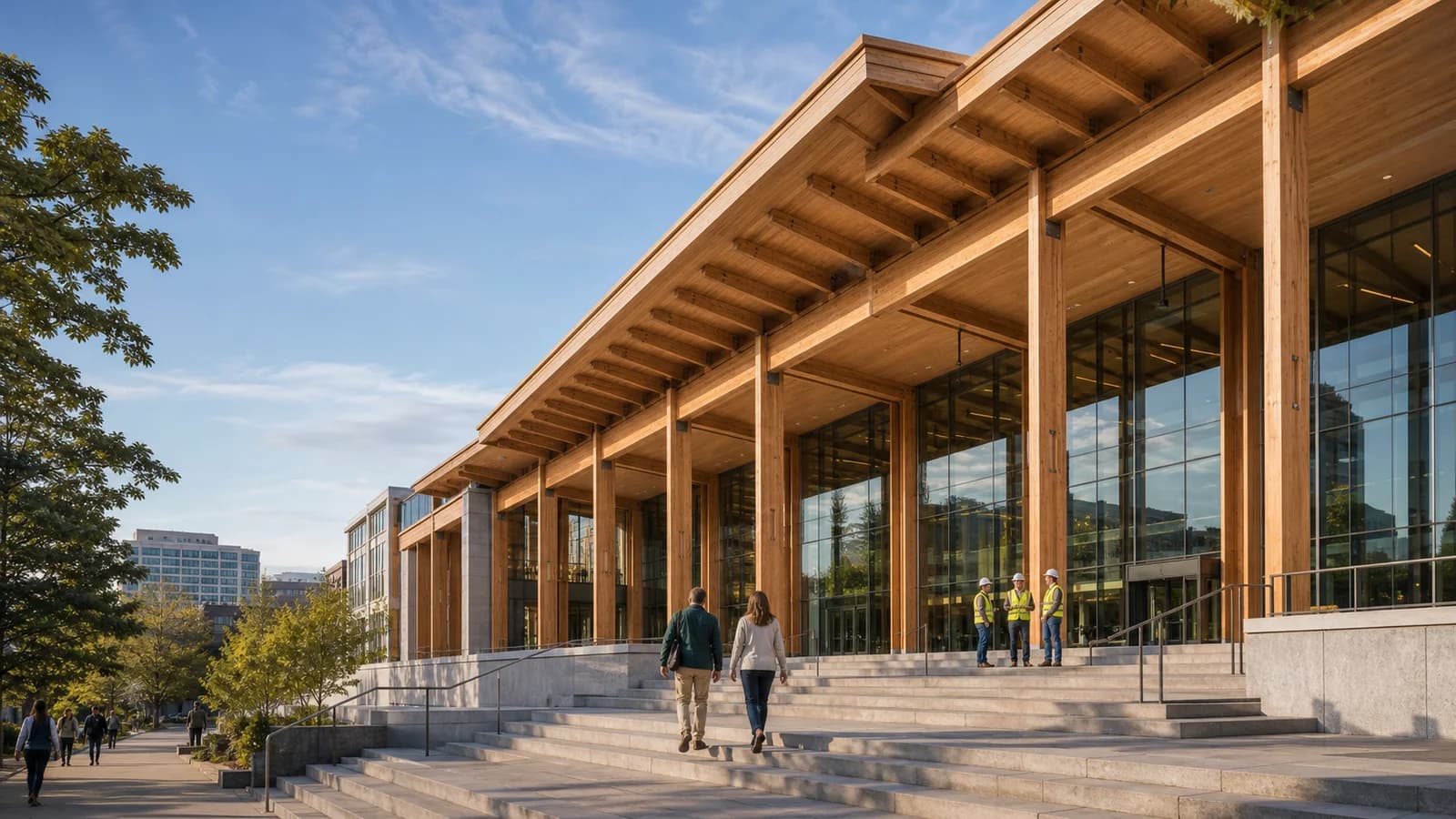
US Bill Proposes Federal Incentives for Mass Timber Buildings
The Mass Timber Federal Buildings Act of 2026 would create contracting preferences for federal projects using innovative wood products. It could influence public, renovation and military construction, but remains a bill—not adopted law.
A new proposal in the United States Congress aims to use federal purchasing power to accelerate mass timber construction. The Mass Timber Federal Buildings Act of 2026, introduced in the House of Representatives as H.R. 9080, would establish preferences in federal contracting for public buildings that use qualifying innovative wood products.
The bill was introduced on 29 May 2026 and referred to the House committees responsible for transportation, infrastructure and armed services. It has not been enacted. Its provisions, definitions and funding implications can still change during the legislative process.
Procurement as an industrial signal
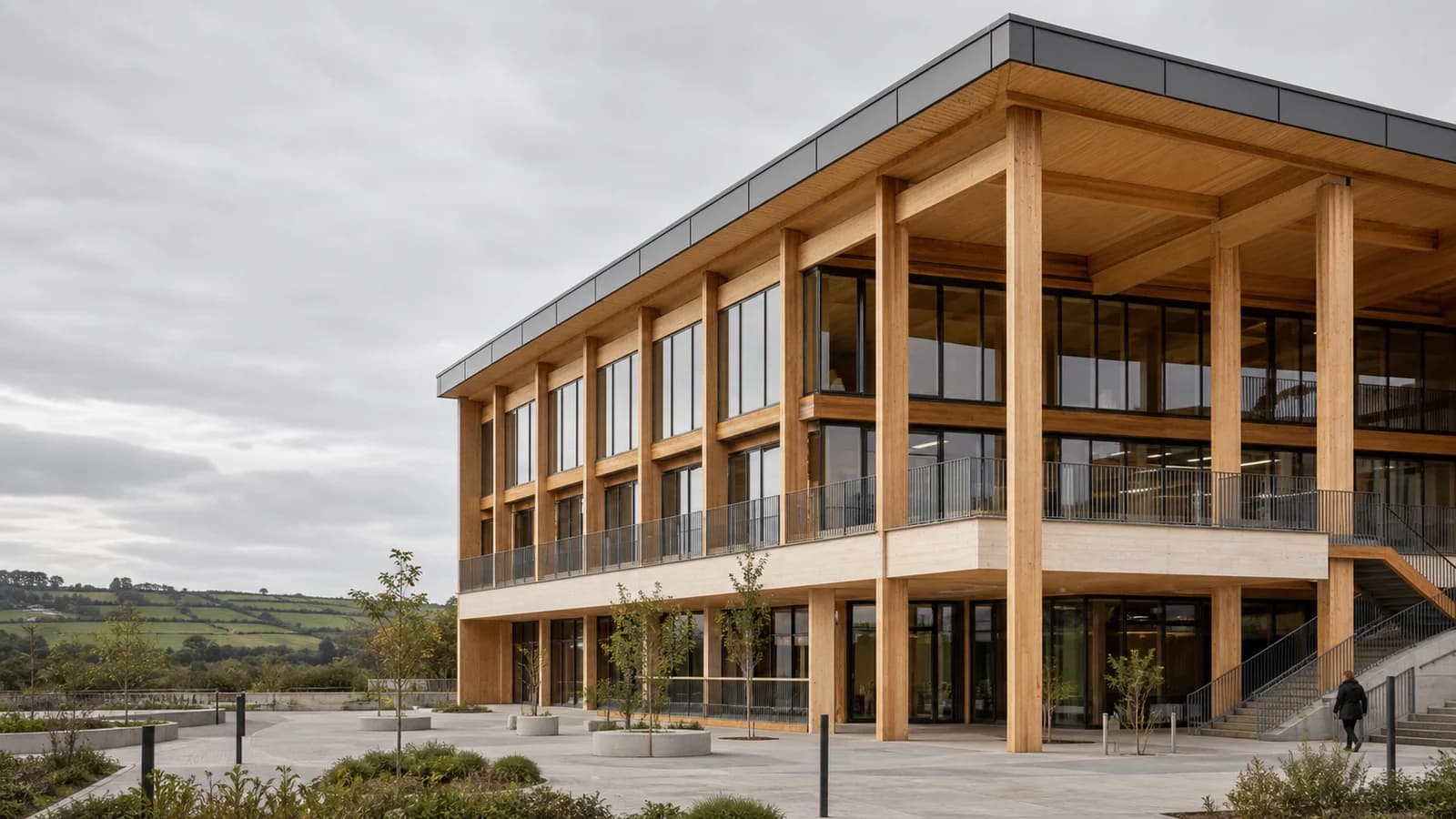
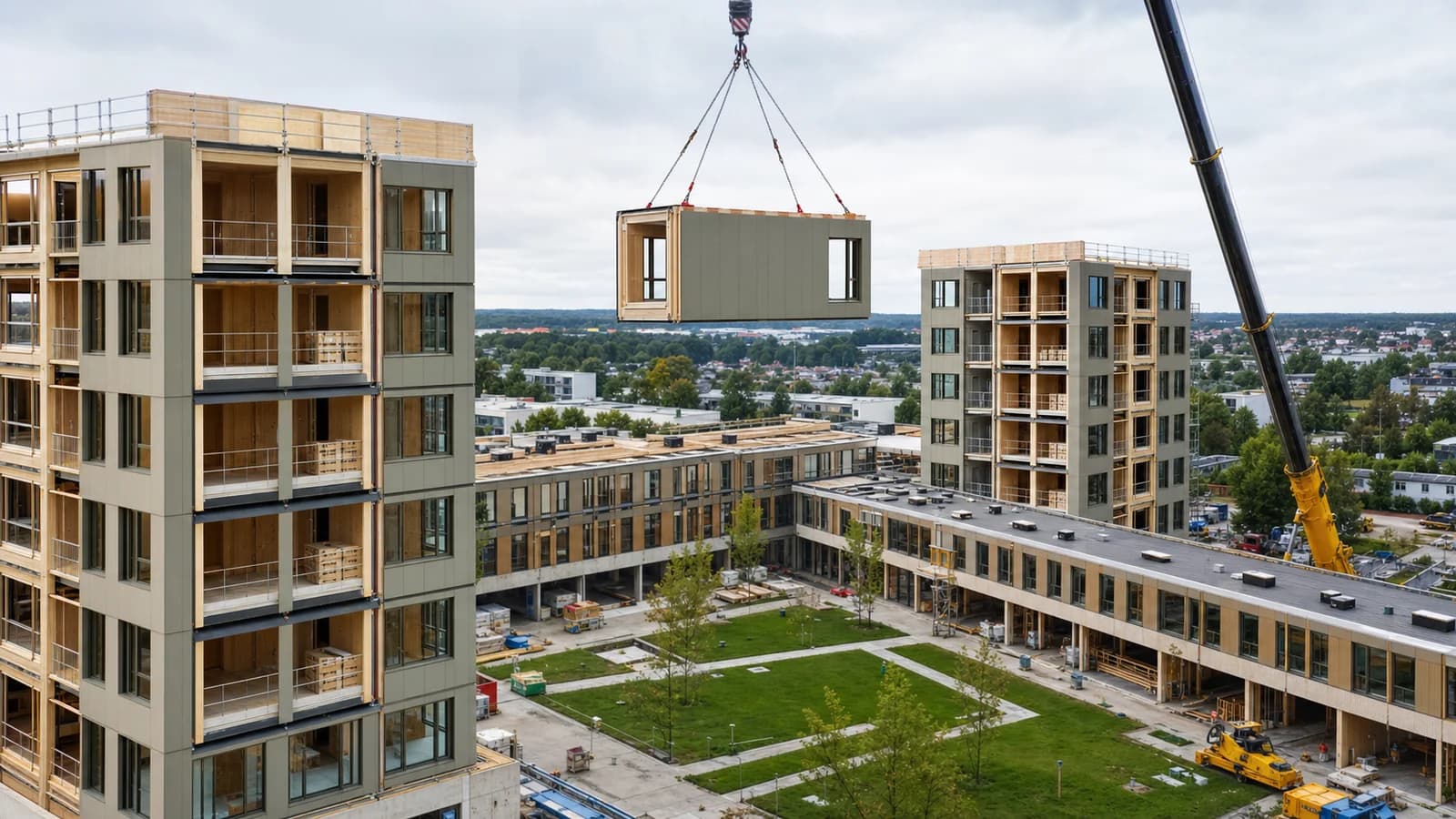
Federal government is one of the largest construction clients in the United States. Its portfolio includes offices, courthouses, laboratories, visitor facilities, renovations and military buildings. Even a targeted preference can provide manufacturers and project teams with a more predictable pipeline, helping justify investment in design expertise, product certification and regional production.
The proposal is also an economic-development measure. Supporters connect mass timber demand with domestic forestry, manufacturing jobs and markets for wood sourced from managed forests. A stronger market can increase the value of appropriately harvested material, although not every tree removed for forest-health work is suitable for structural products. Species, dimensions, grading, moisture, processing capacity and certification still determine what can become CLT, glulam or another engineered component.
Federal procurement can influence private practice as well. Public projects generate tested specifications, fire strategies, connection details, cost data and operating experience. When those lessons become accessible, later projects do not need to begin from zero.
The design challenge behind the incentive
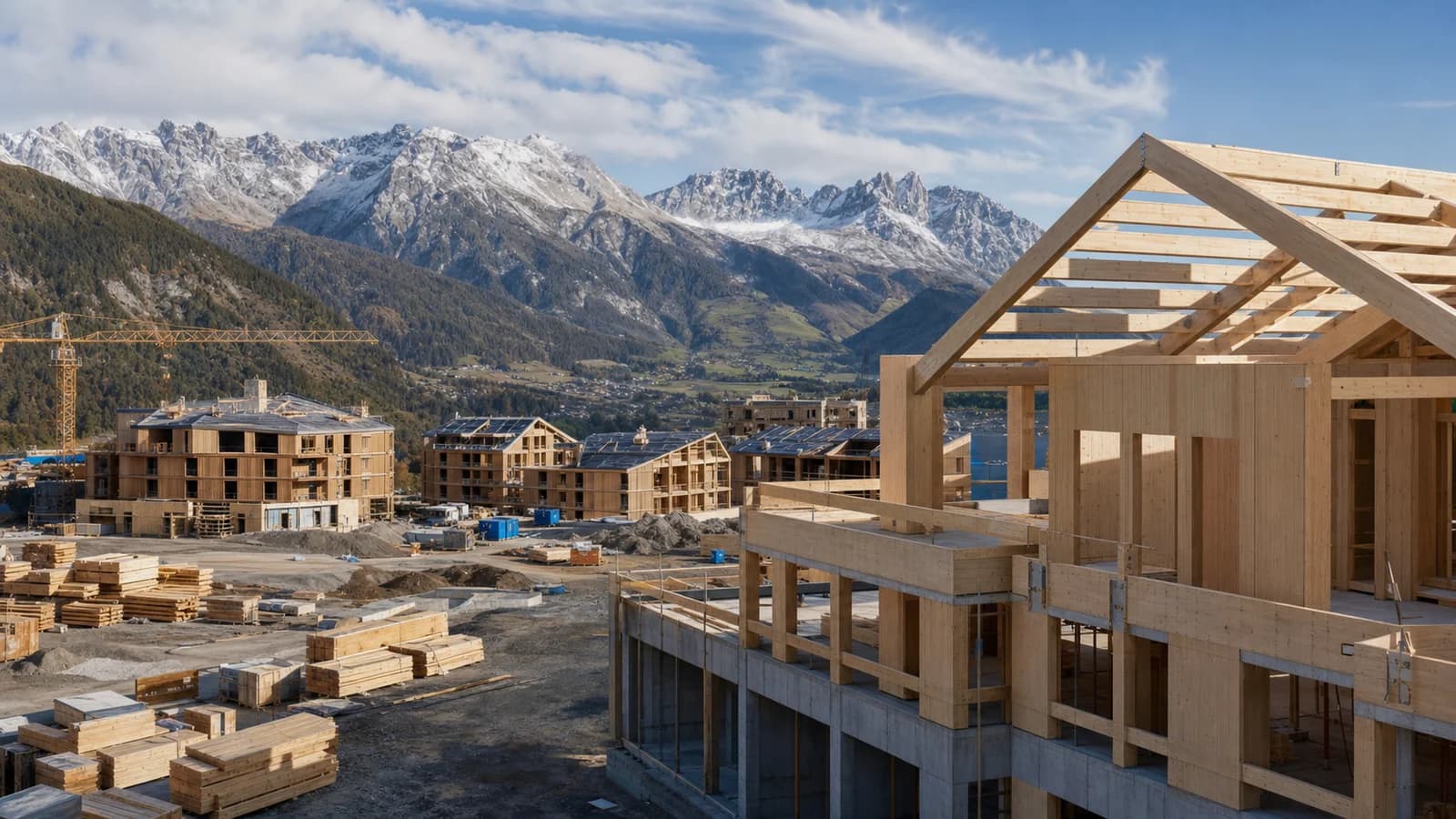
A material preference alone does not make a project suitable for timber. Teams still need to compare grids, spans, vibration, acoustics, fire resistance, durability, logistics, supply and total cost. Hybrid solutions may be the strongest answer, combining timber with concrete or steel where each material performs best.
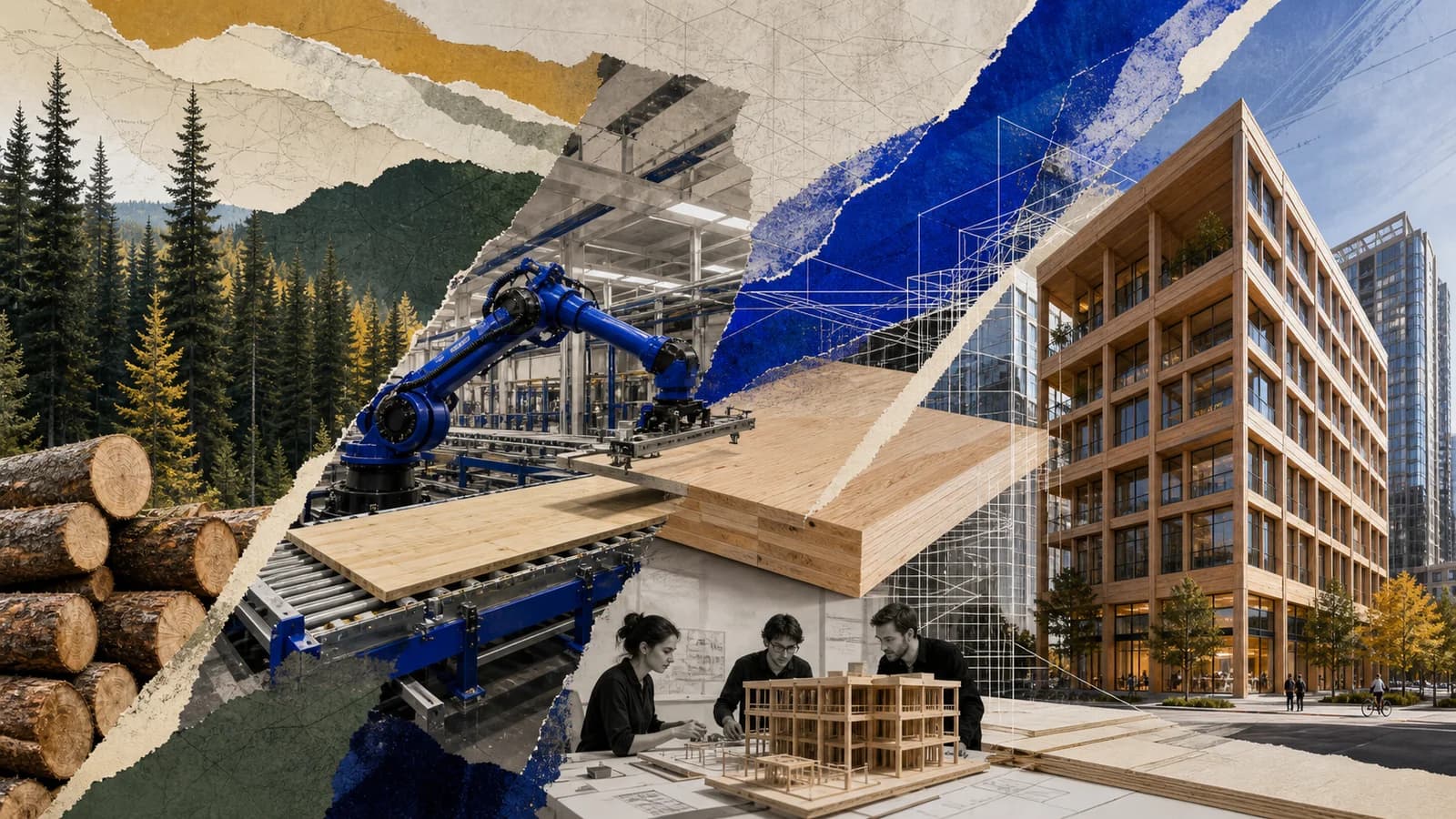
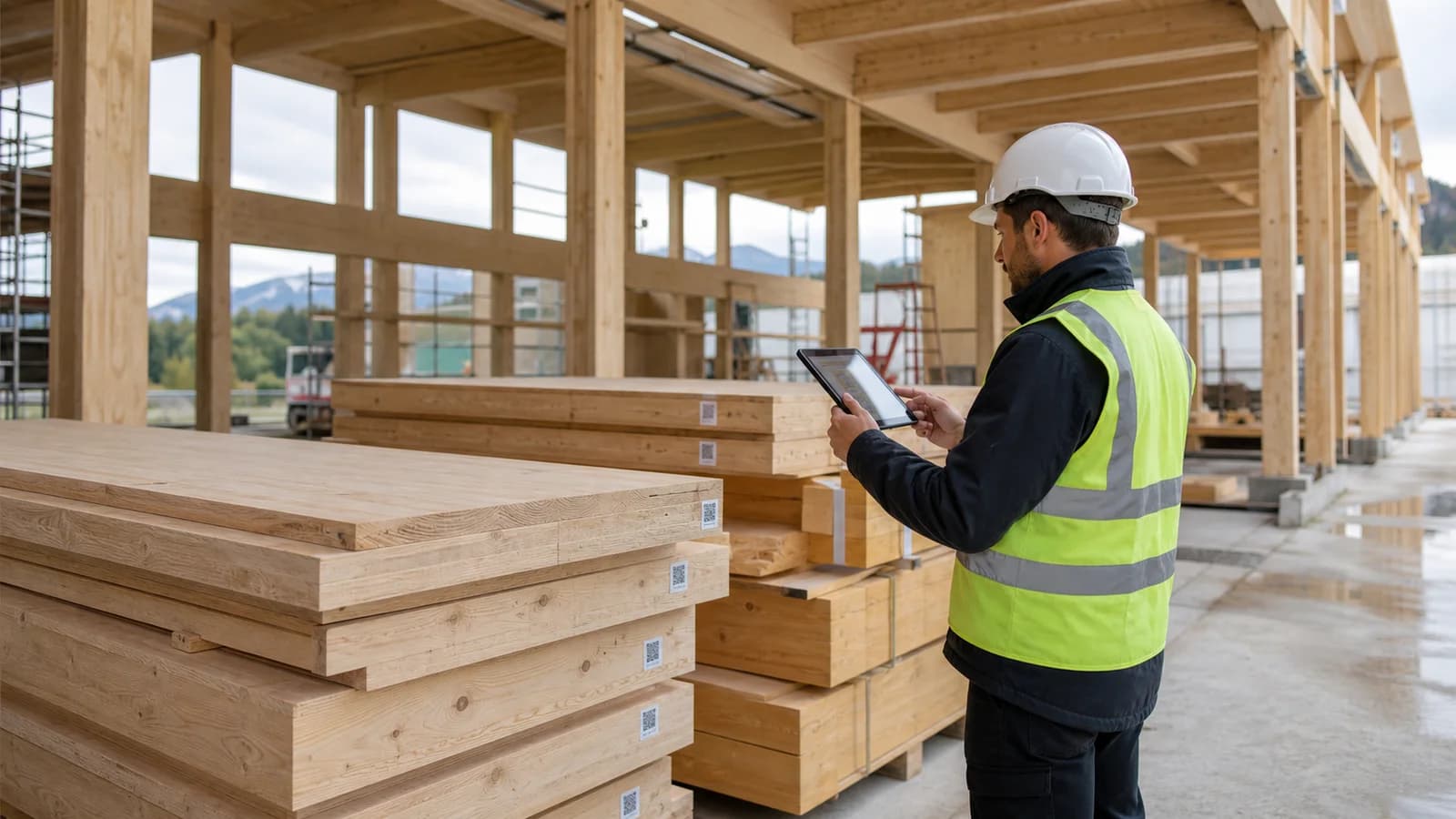
This is where early digital modelling becomes critical. Designers and owners need to see the quantity, structural implications, embodied-carbon estimate and procurement assumptions while major choices are still flexible. The model must then carry component identity and fabrication information forward so that a policy goal becomes a buildable package.
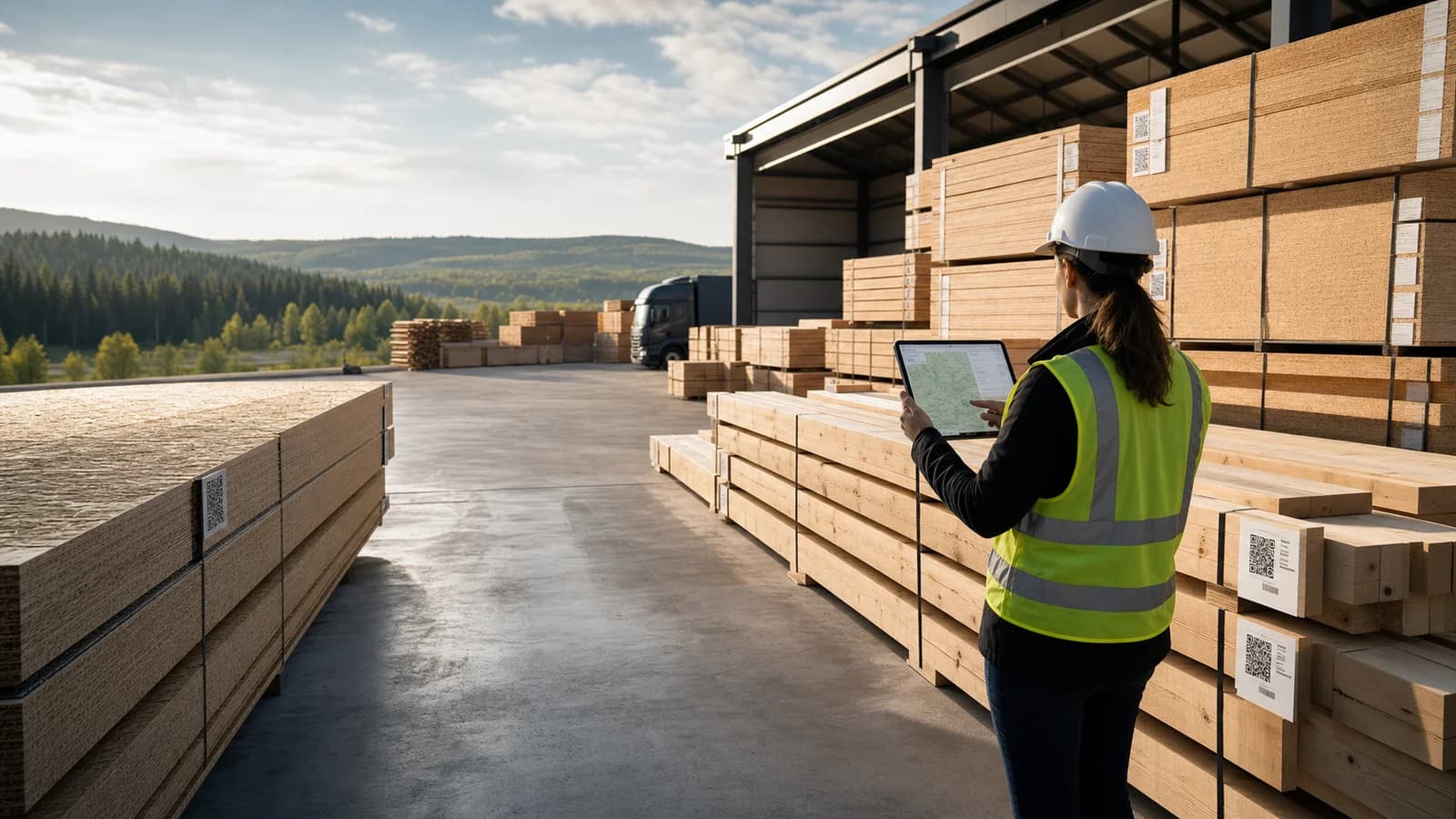
For FrameVerk and similar tools, federal demand would raise the value of traceable design outputs: material schedules, source information, repeatable assemblies and accurate fabrication data. Procurement preferences are easier to administer when compliance evidence is connected to the actual physical model.
What happens next
H.R. 9080 must advance through committee, pass both chambers of Congress and receive presidential approval before becoming law. The final text could be amended or may not advance at all. Current projects therefore should not assume that a federal preference is already available.
Still, the proposal is a meaningful policy signal. It treats mass timber not only as an architectural option, but as part of a federal strategy connecting public construction, domestic manufacturing and forest economies. If adopted, its largest effect may be the steady market created by ordinary federal buildings rather than a handful of showcase projects.
Sources: U.S. Congress and GovInfo, H.R. 9080, “Mass Timber Federal Buildings Act of 2026,” introduced 29 May 2026; Office of Representative Glenn Thompson, announcement of the Thompson–Salinas bill.