Uruguay Turns a Timber-Housing Competition Into 20 Social Homes
A public programme is moving from award-winning ideas to a small built test, giving Uruguay a chance to measure cost, speed and durability before scaling timber housing.
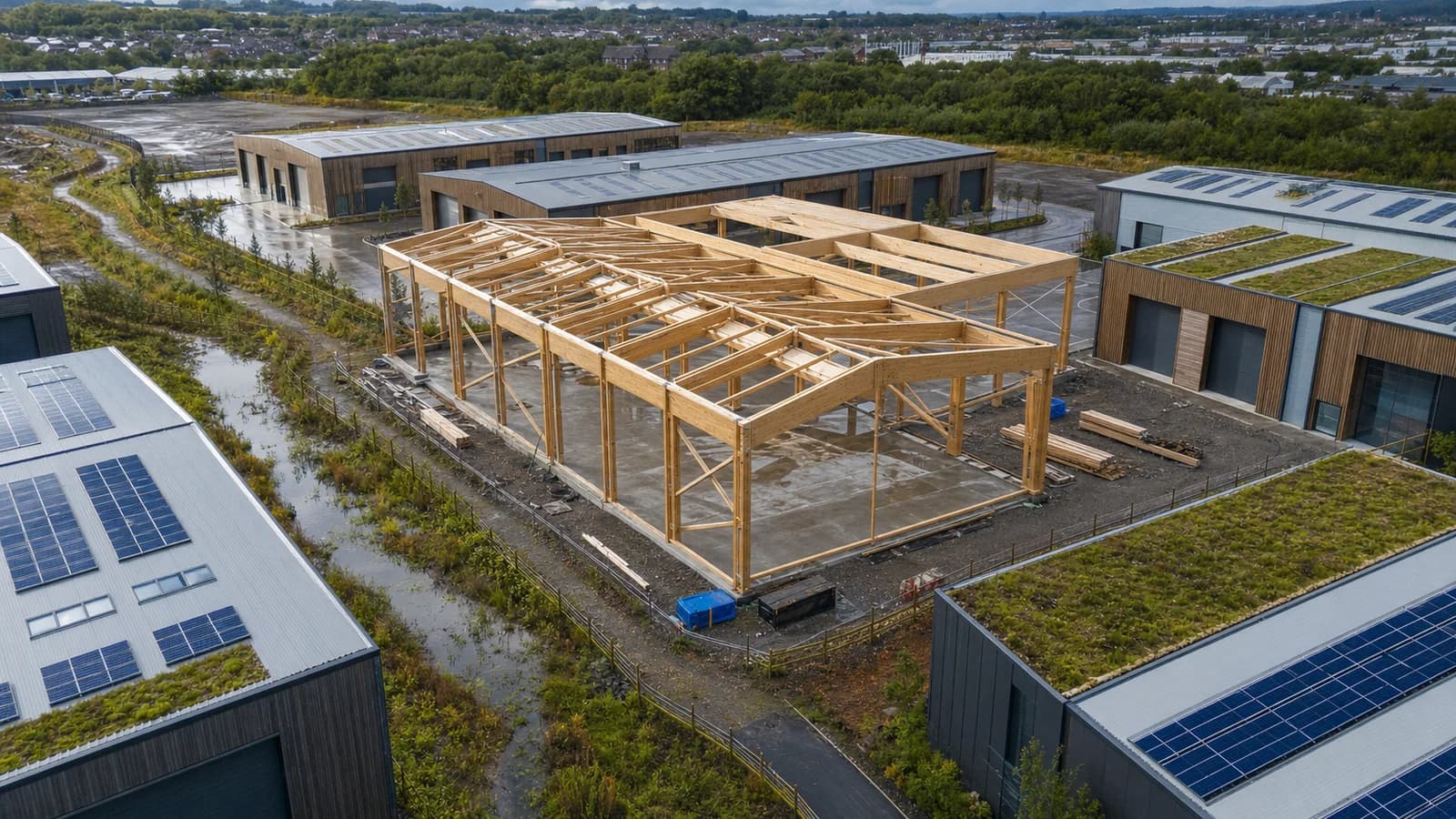
Uruguay’s social-housing timber competition moved toward construction in July 2026, with 20 homes intended to turn selected proposals into a real-world pilot. The number is modest, but the transition matters: drawings can promise speed and low carbon; occupied homes expose procurement, workmanship, moisture, maintenance and resident comfort.
The programme sits within a national roadmap for greater use of wood in social housing. Uruguay has forestry resources and an established wood-products sector, yet conventional masonry and concrete still shape much of the housing system. A pilot can connect policy ambition with building approvals, standard details and contractors’ daily practice.
What the 20 homes can test
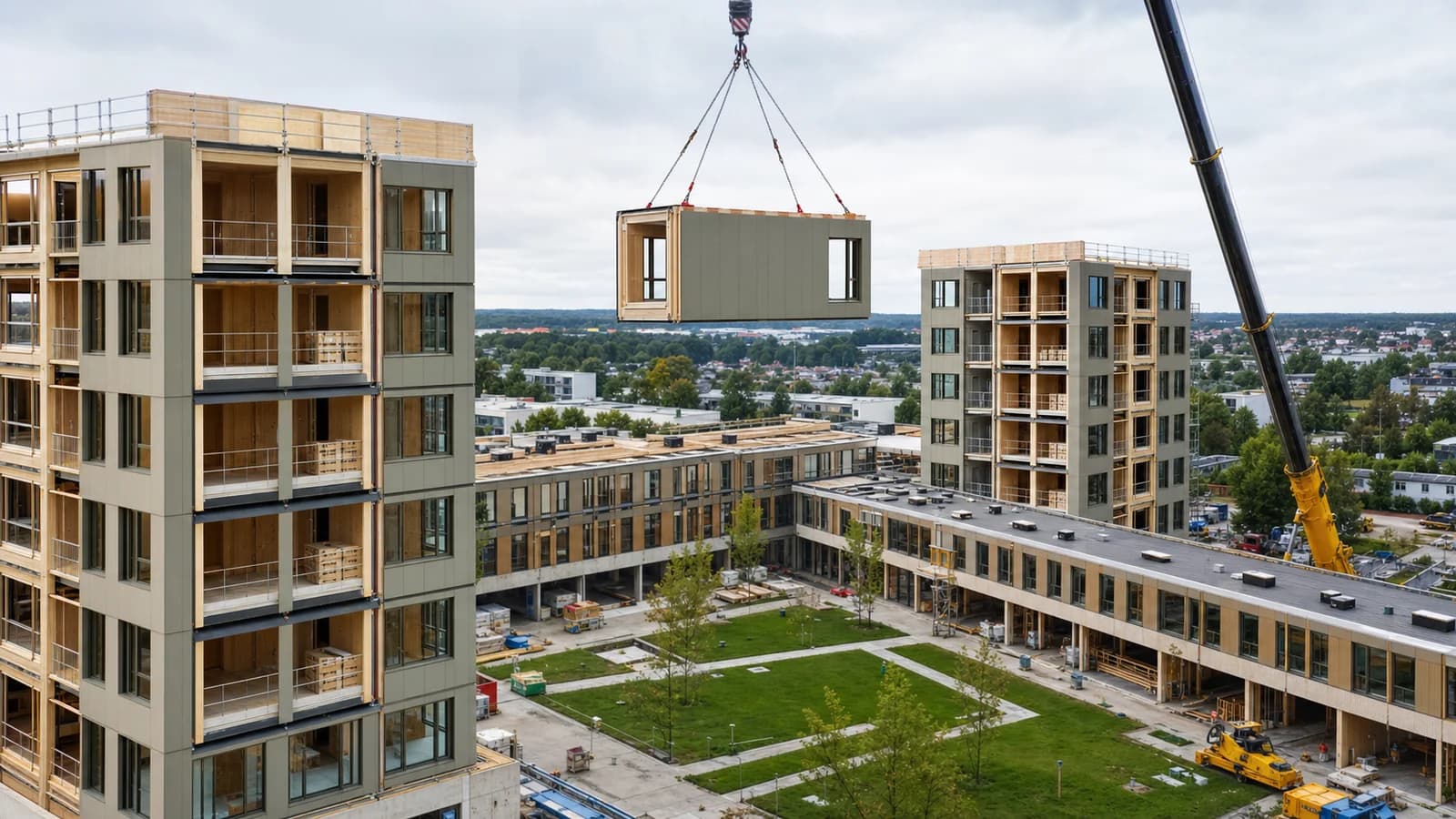
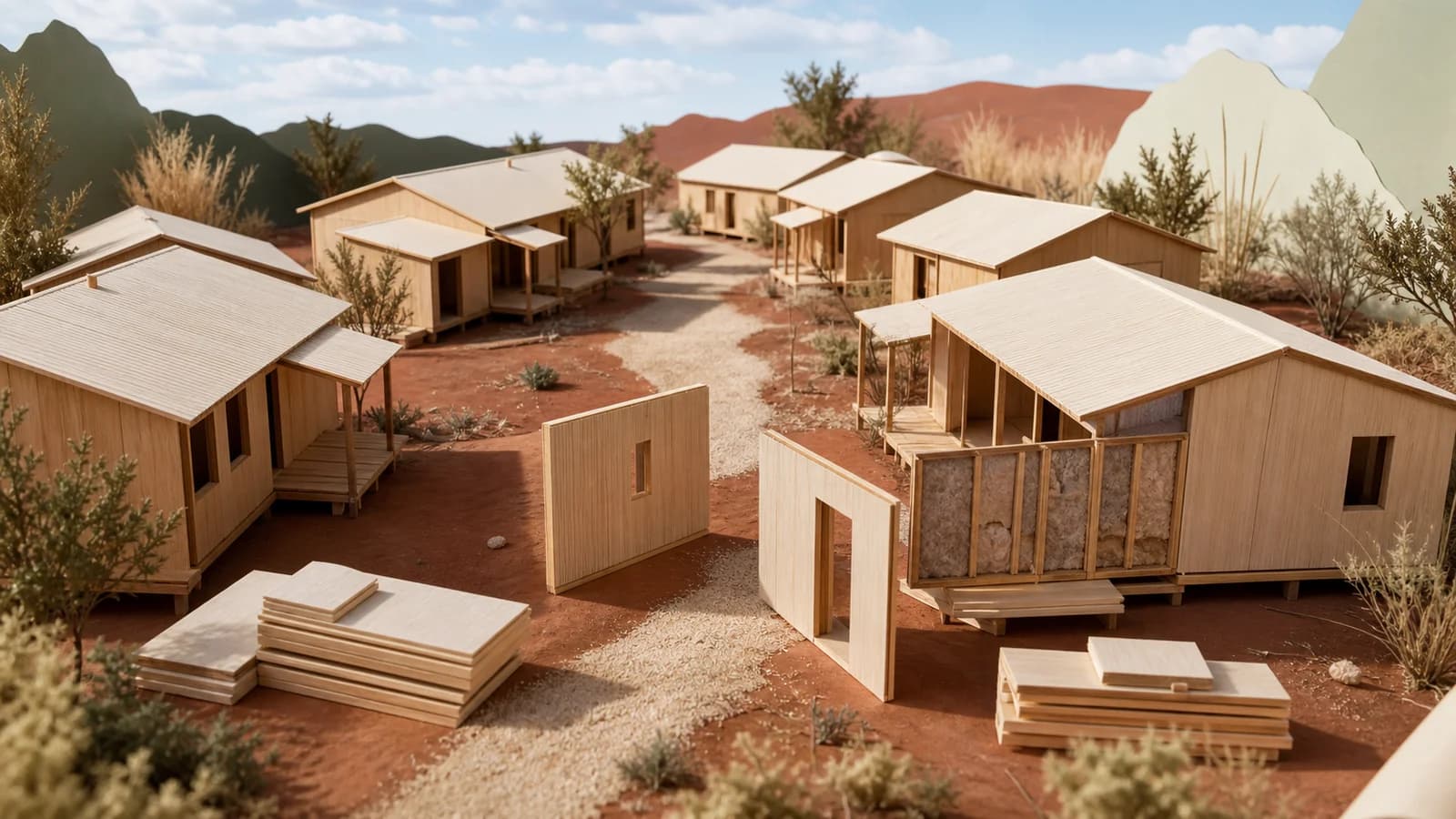
The most useful outcome is not a single photogenic prototype. It is a repeatable kit of parts: wall and floor panels sized for available factories, transportable dimensions, verified fire and acoustic build-ups, clear junctions and repairable finishes.
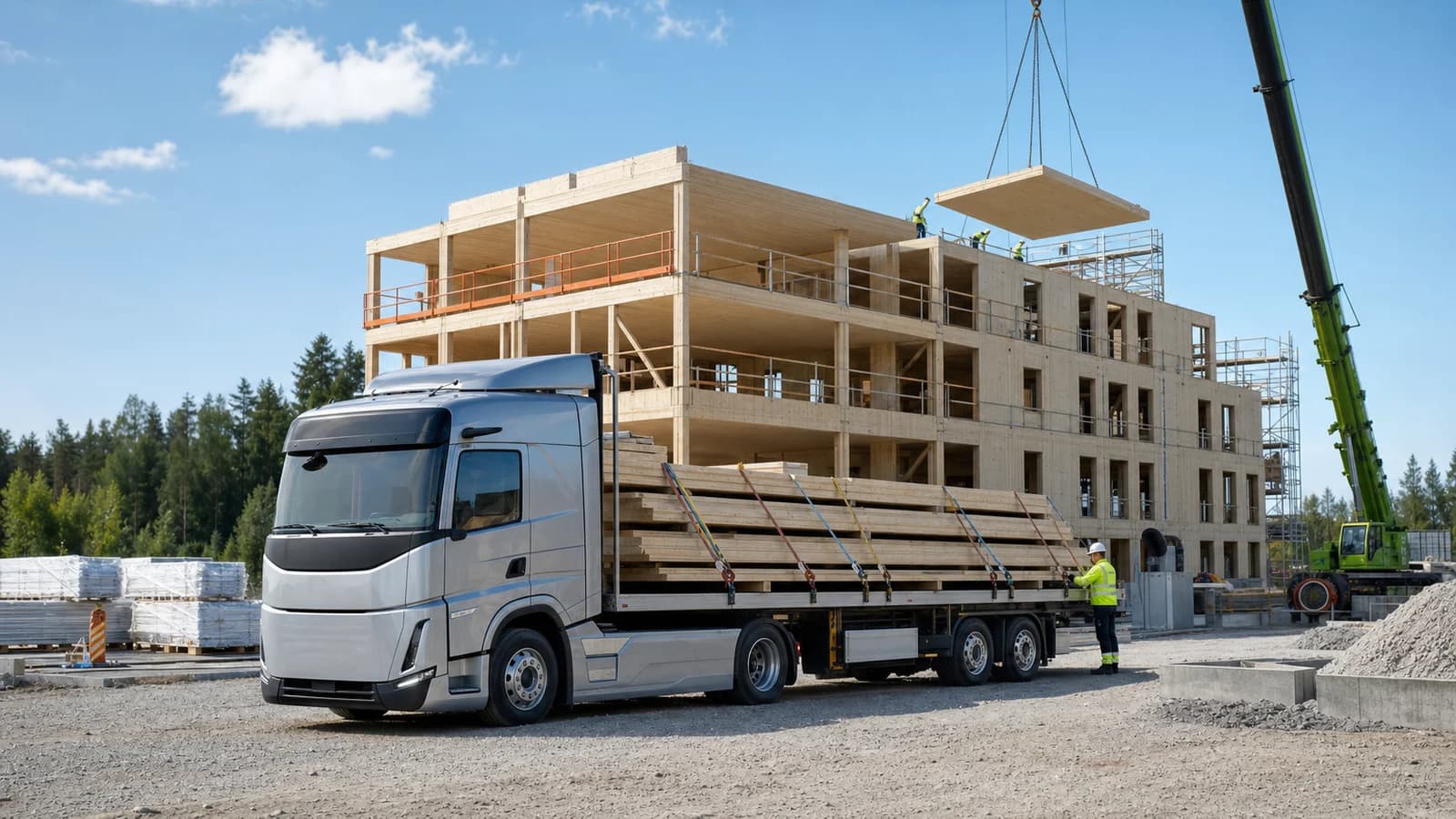
Time should be measured from design freeze through factory production, foundations, assembly and handover. Cost should include design, transport, cranes, weather protection, quality checks and call-backs—not only the price of timber. Moisture readings during fabrication, delivery and enclosure would show whether the process protects the material in Uruguay’s conditions.
Resident feedback matters equally. Summer overheating, winter comfort, sound between rooms, indoor air quality and the ease of hanging shelves may determine public acceptance more than the carbon calculation.
What “industrialised” should mean
Industrialised timber construction is sometimes confused with identical housing. In practice, standardising hidden interfaces can leave room for different plans, façades and neighbourhood layouts. The valuable repetition lies in panel grids, connection zones, service cavities, tolerances and inspection rules.
Public procurement must support that learning. If each tender restarts the system from zero, the pilot stays an exception. If verified details, performance data and lessons are published, future teams can improve them and more suppliers can compete.
From pilot detail to ordinary approval
Scaling also requires a clear regulatory path. Authorities need consistent evidence for structural resistance, fire, acoustics, energy, durability and accessibility, while manufacturers need to know which changes require a new assessment. A tested wall cannot be treated as unchanged after its insulation, lining, fasteners or service openings have been substituted.
The pilot can therefore create more than houses. It can create review checklists, approved material options, moisture limits and handover records that make later projects less dependent on one expert team. Training should include inspectors, site supervisors and maintenance staff as well as designers. Repetition becomes valuable only when the quality system travels with the physical components.
Carbon needs a complete comparison
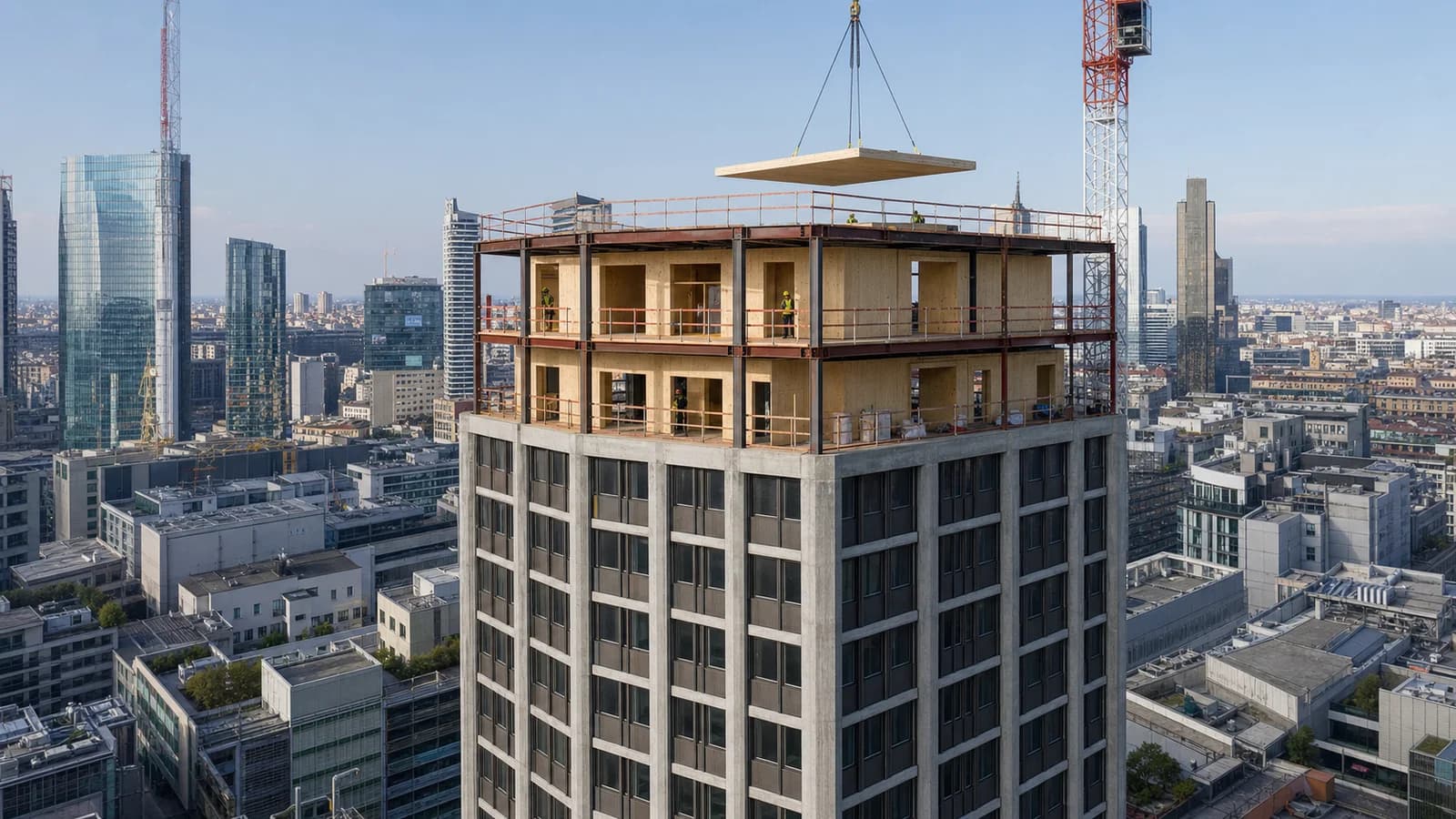
Timber may reduce embodied emissions, especially when it displaces carbon-intensive structure, but the result depends on foundations, preservatives, insulation, transport, waste and service life. Forest origin and chain of custody also matter. The pilot should compare complete homes at the same performance level and state how biogenic carbon is treated.
The FrameVerk view
A digital housing kit should link every panel to geometry, material grade, certified origin, openings, services, fasteners, assembly order, cost and carbon. Changes made for one plot should propagate without breaking verified fire or structural details.
Twenty homes will not solve Uruguay’s housing demand. They can do something more credible: establish measured evidence, expose weak interfaces and convert a competition into a reusable construction system. The milestone is therefore the beginning of evaluation, not proof that national scale has already been achieved.
Sources
- ArchDaily, “Social Wooden Housing in Uruguay: On the Path Towards Innovation in Socially Conscious Architecture,” 7 July 2026: https://www.archdaily.com/1006042/social-wooden-housing-in-uruguay-on-the-path-towards-innovation-in-socially-conscious-architecture
- Uruguay Ministry of Housing, “Roadmap for social housing construction in wood,” accessed 30 July 2026: https://www.gub.uy/ministerio-vivienda-ordenamiento-territorial/comunicacion/publicaciones/hoja-ruta-construccion-vivienda-social-madera-uruguay
- National Housing Agency, competition information booklet, accessed 30 July 2026: https://www.anv.gub.uy/sites/default/files/2023-07/Folleto_explicativo_ingles.pdf