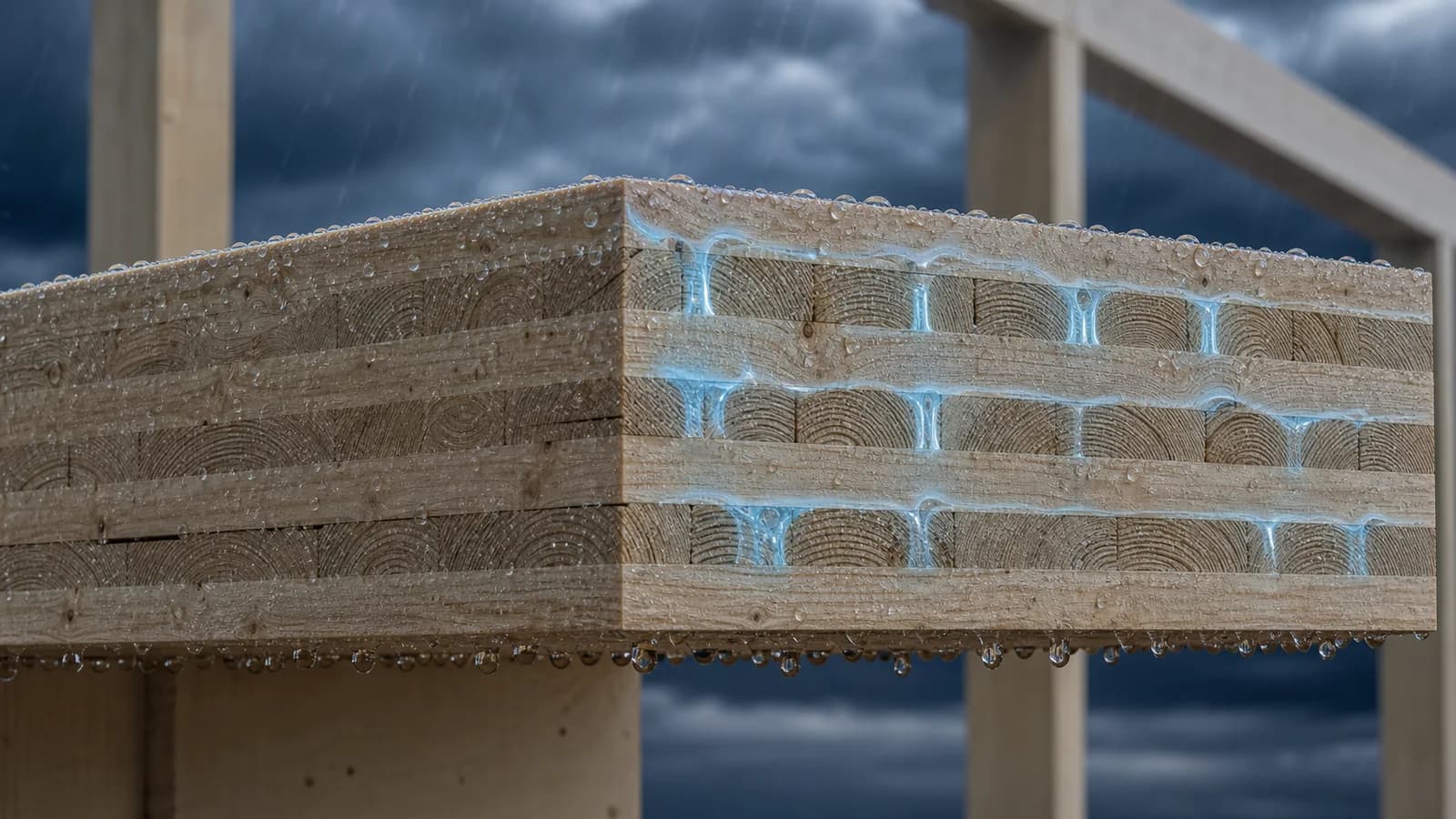
Rain Does Not Stop at the Surface: CAT Scans Show How CLT Gets Wet
New CAT-scan research maps moisture paths inside rain-exposed CLT and explains why surface readings are not the whole story.
Rain Does Not Stop at the Surface
Cross-laminated timber can get wet during erection and later dry safely. The dangerous shortcut is assuming that a dry-looking face proves the whole panel is dry. A July 2026 study used CAT scans before and after Douglas-fir CLT specimens spent 29 days in natural rainfall in western Oregon. The images could not calculate absolute moisture content, but they revealed where moisture distribution changed inside the layered material.
What the scans add
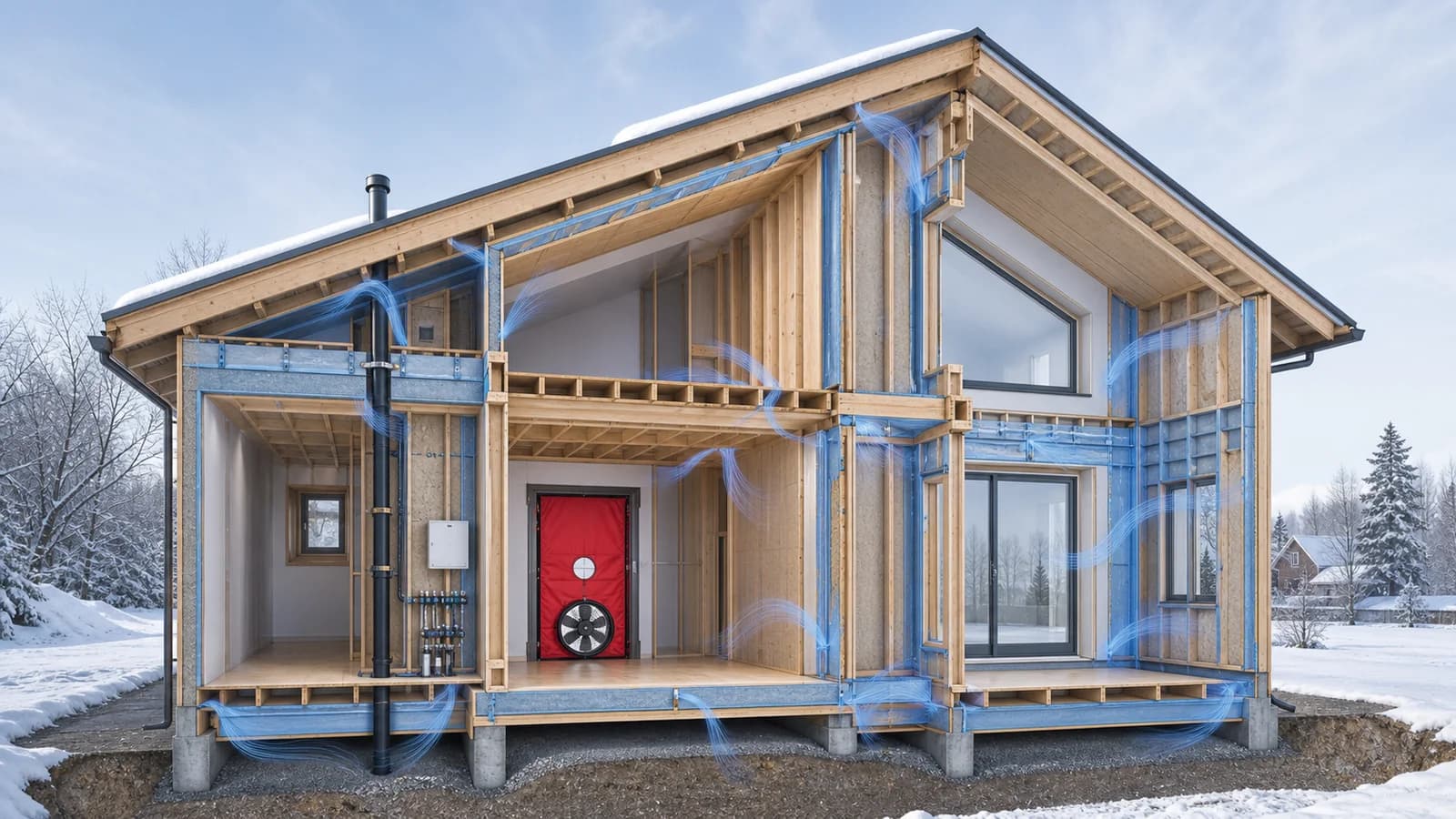
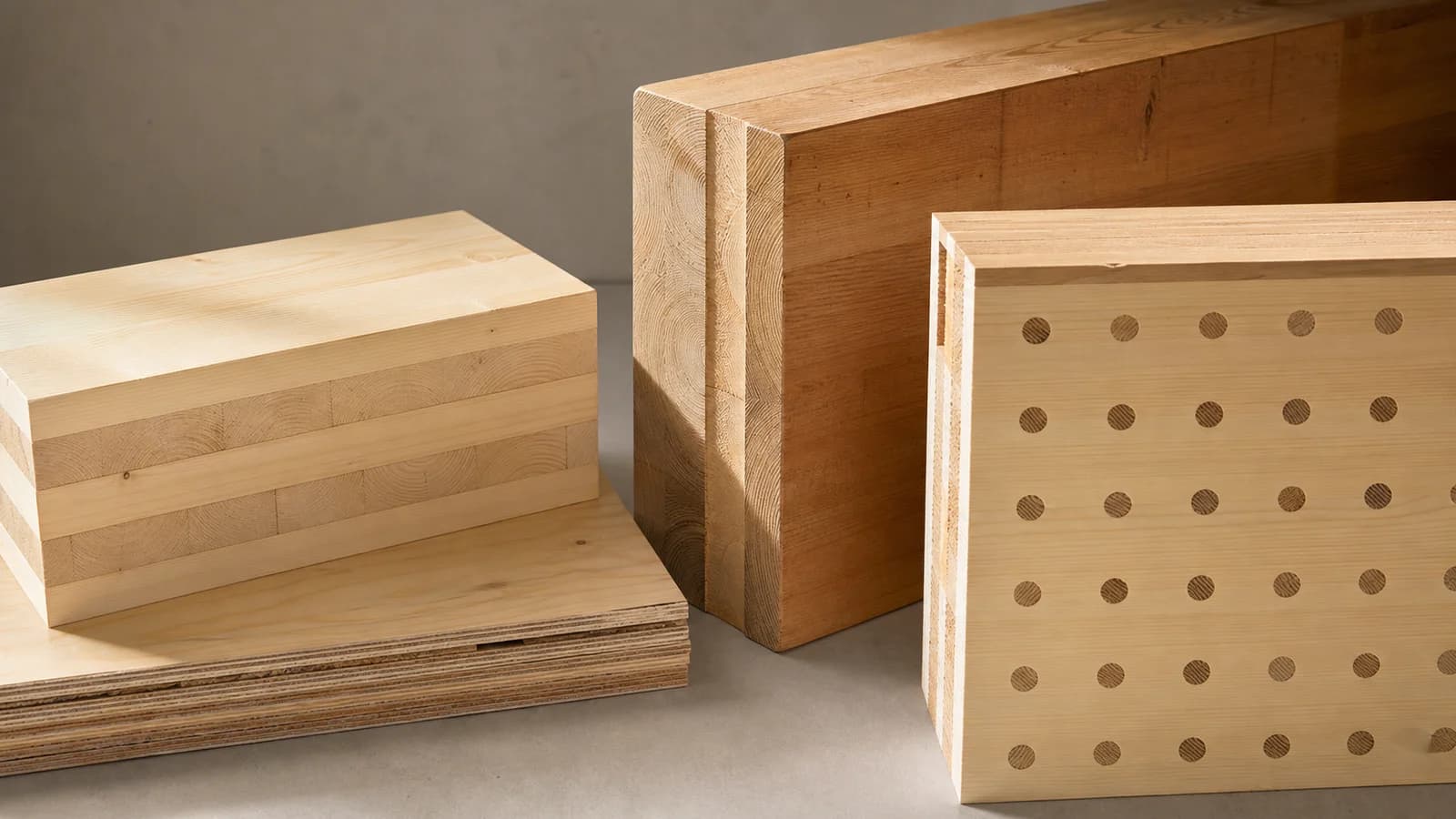
Water does not enter every part of a panel equally. End grain, edges, checks, joints, penetrations and horizontal surfaces create different pathways. Layer orientation and glue lines also make CLT different from one solid block. A surface meter answers a local question; it cannot automatically describe the core or a concealed interface.
The result is not “CLT cannot get wet.” Technical guidance says limited wetting can be manageable when water drains and the assembly can dry. Risk increases with deep or repeated wetting, pooled water, trapped interfaces and covering a damp panel with roofing, topping or finishes.
A practical moisture plan
Before delivery, assign responsibility and set thresholds with the supplier and design team. Protect panel packs, sequence roofs and temporary membranes, provide drainage, remove standing water and keep end grain away from puddles. Map measurement locations instead of taking a convenient single reading. Record weather, readings and remedial work.
If readings remain elevated, investigate depth and interfaces with suitable instruments and expert advice. Drying may require ventilation, heat, dehumidification or opening an assembly. Do not seal the evidence behind the next trade.
Four assumptions to retire
Rain exposure is not only cosmetic. Staining may be visible, but the structurally relevant questions are the duration, depth and location of elevated moisture. Nor do all faces dry at the same rate: a horizontal floor, an exposed edge and a panel trapped below a topping experience different drainage and vapour conditions.
One numerical limit does not solve every decision. Moisture meters use different principles and calibration assumptions; species, temperature and measurement depth affect readings. Project thresholds should name the instrument, method, location and required action. A number without context is not a moisture plan.
Protection also does not mean wrapping everything indefinitely. Impermeable covers can trap water if damaged or installed over wet material. Effective protection combines forecasts, covers, temporary membranes, falls, drains, edge protection, ventilation and a sequence that closes the building quickly without hiding damp wood.
Repeated photographs linked to panel identities and model locations can document pooling, completed drainage and the condition before an area is covered. They do not replace measurement, but create an auditable history.
Finally, distinguish wetting from damage. The scans identified changes in moisture distribution; they did not declare every exposed specimen structurally unfit. Acceptance, drying and repair decisions belong to qualified project professionals using product information and site evidence.
A handover record should state which areas were exposed, what was measured, how they were dried and who accepted closure. That small package protects the future operator from guessing and gives later inspections a reliable baseline instead of an undocumented memory of a rainy week on site.
The FrameVerk view
Moisture management belongs in the digital construction plan: delivery date, exposure period, panel identity, joints, readings and approval to close each area. CAT scans are research tools, not a standard site gadget, but their lesson is wonderfully ordinary—measure the condition you actually need to know. Keep the verified record with the model and maintenance information so later inspections begin from evidence.
Sources
- Holzforschung, “Moisture intrusion patterns in cross-laminated timber,” July 2026: https://doi.org/10.1515/hf-2026-0041
- WoodWorks, “Mass Timber Moisture Management for Construction”: https://www.woodworks.org/resources/mass-timber-moisture-management-for-construction/
- WoodSolutions, “Moisture Management of Mass Timber Construction”: https://www.woodsolutions.com.au/publications/technical-design-guides/moisture-management-mass-timber-construction