5G-TIMBER Connects AI, Digital Twins and Timber Factories
A European research programme has tested 5G networks, AI and digital twins across timber production and building assembly.
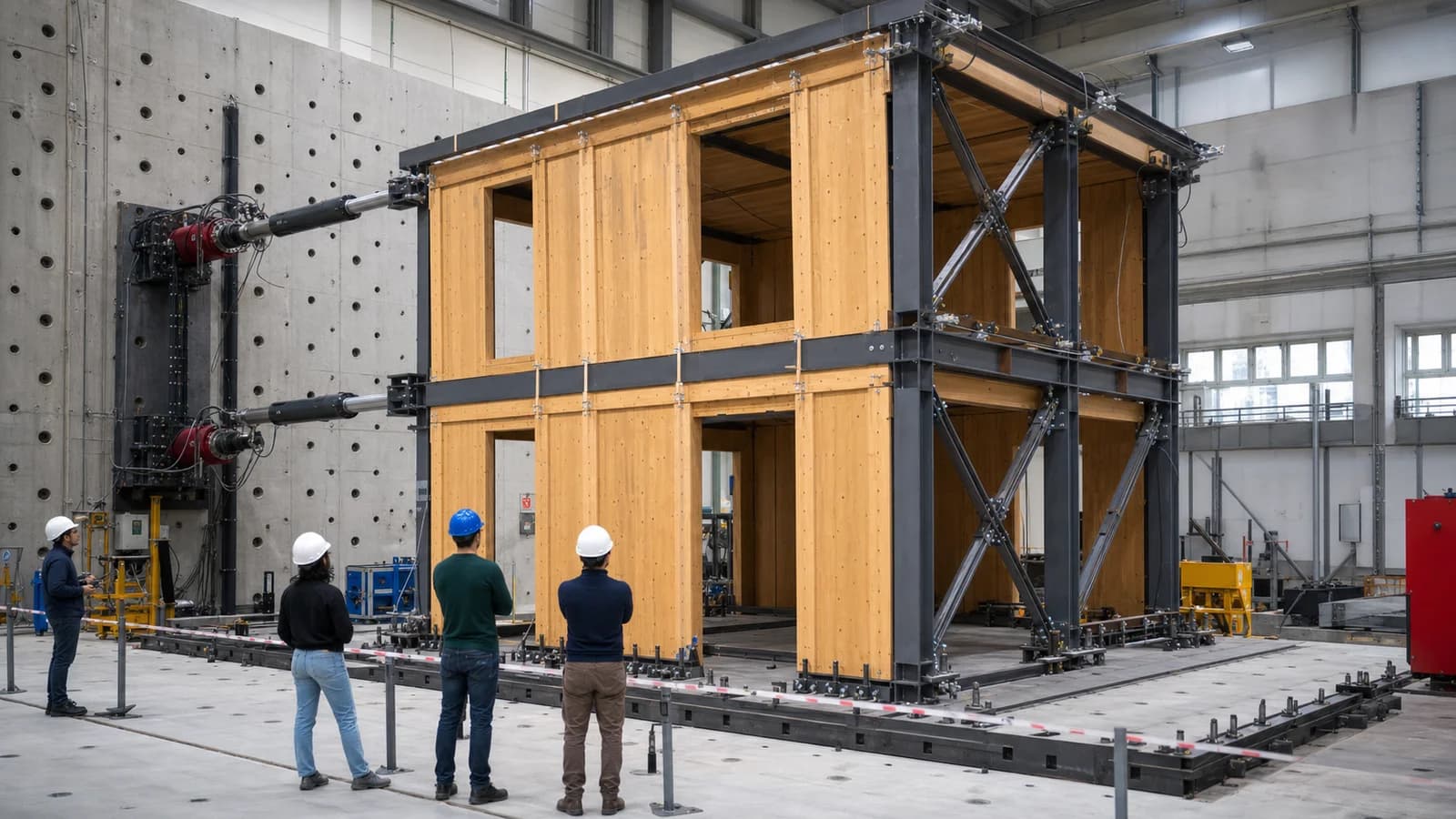
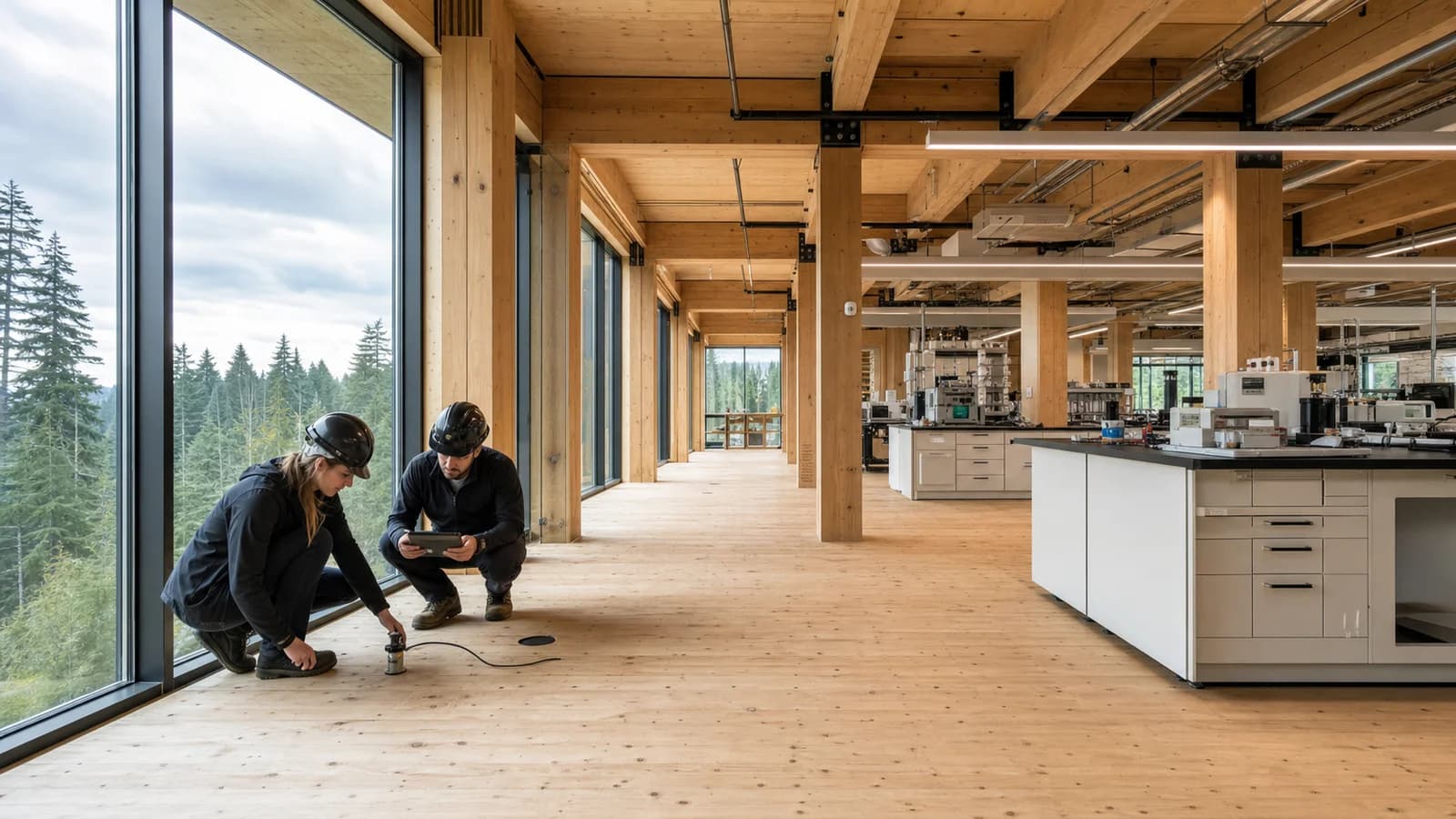
Timber construction is increasingly becoming a data industry. The European 5G-TIMBER project has tested how private 5G networks, artificial intelligence and digital twins can connect production machinery, workers and building sites.
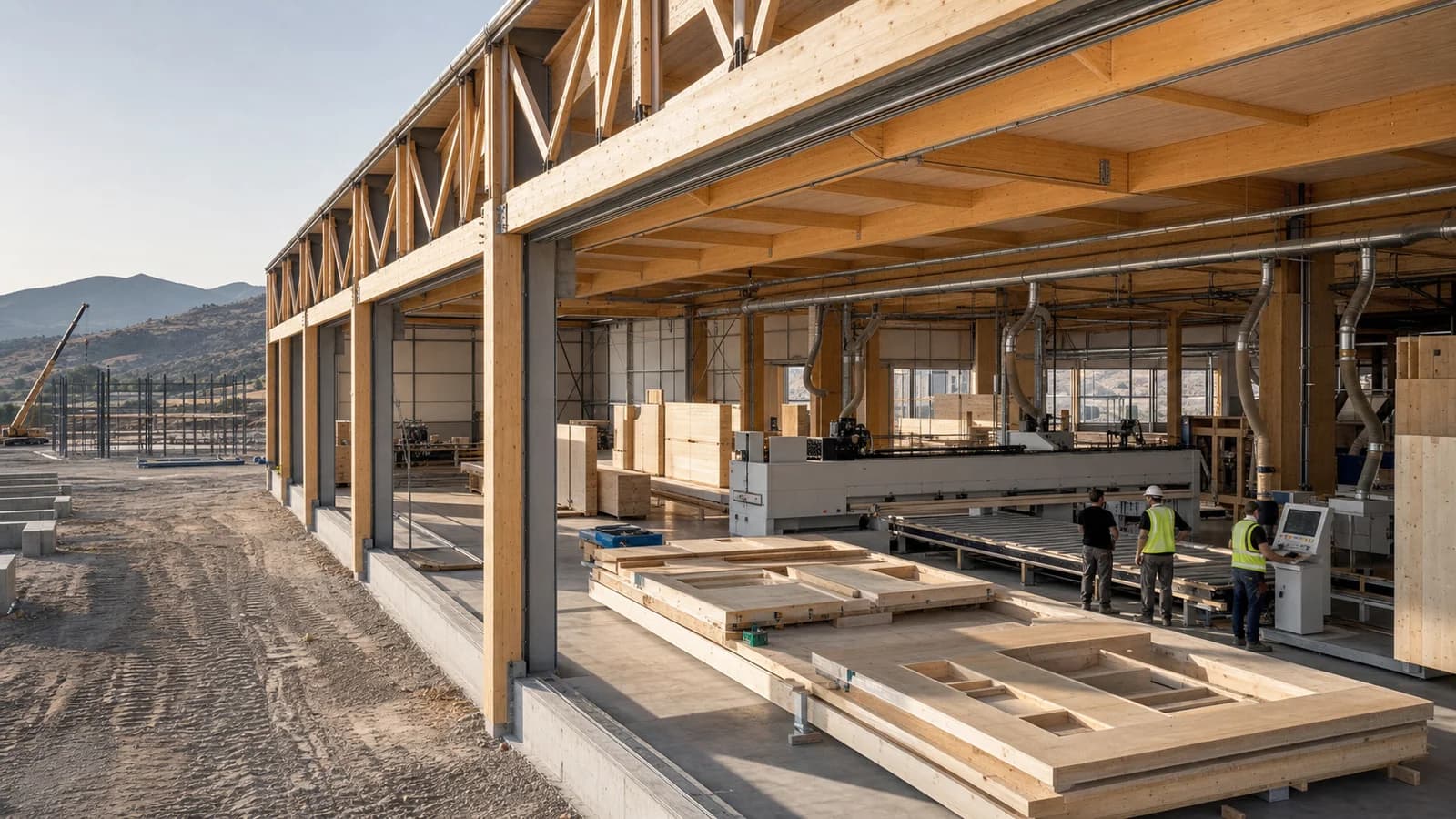
Coordinated by Tallinn University of Technology, the programme developed nine use cases and deployed eight of them at pilot locations. The work covers stages ranging from wood processing to prefabrication, logistics and on-site assembly.
Why 5G matters in a timber factory
A connected factory needs more than fast internet. Machines, sensors, cameras and augmented-reality tools must exchange information with low delay and high reliability. Private 5G networks are designed to provide that dedicated industrial connection without depending on public mobile coverage.
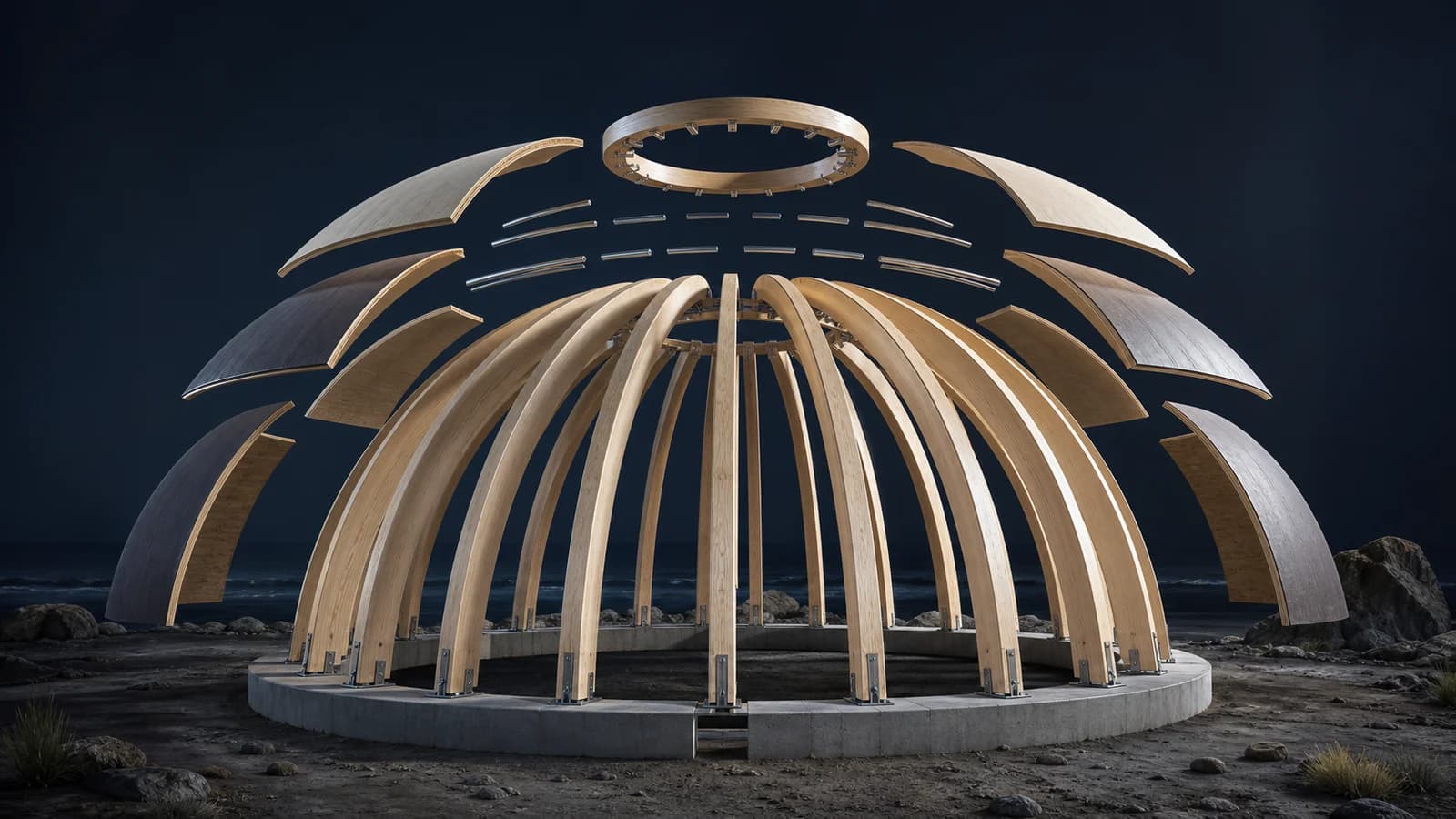
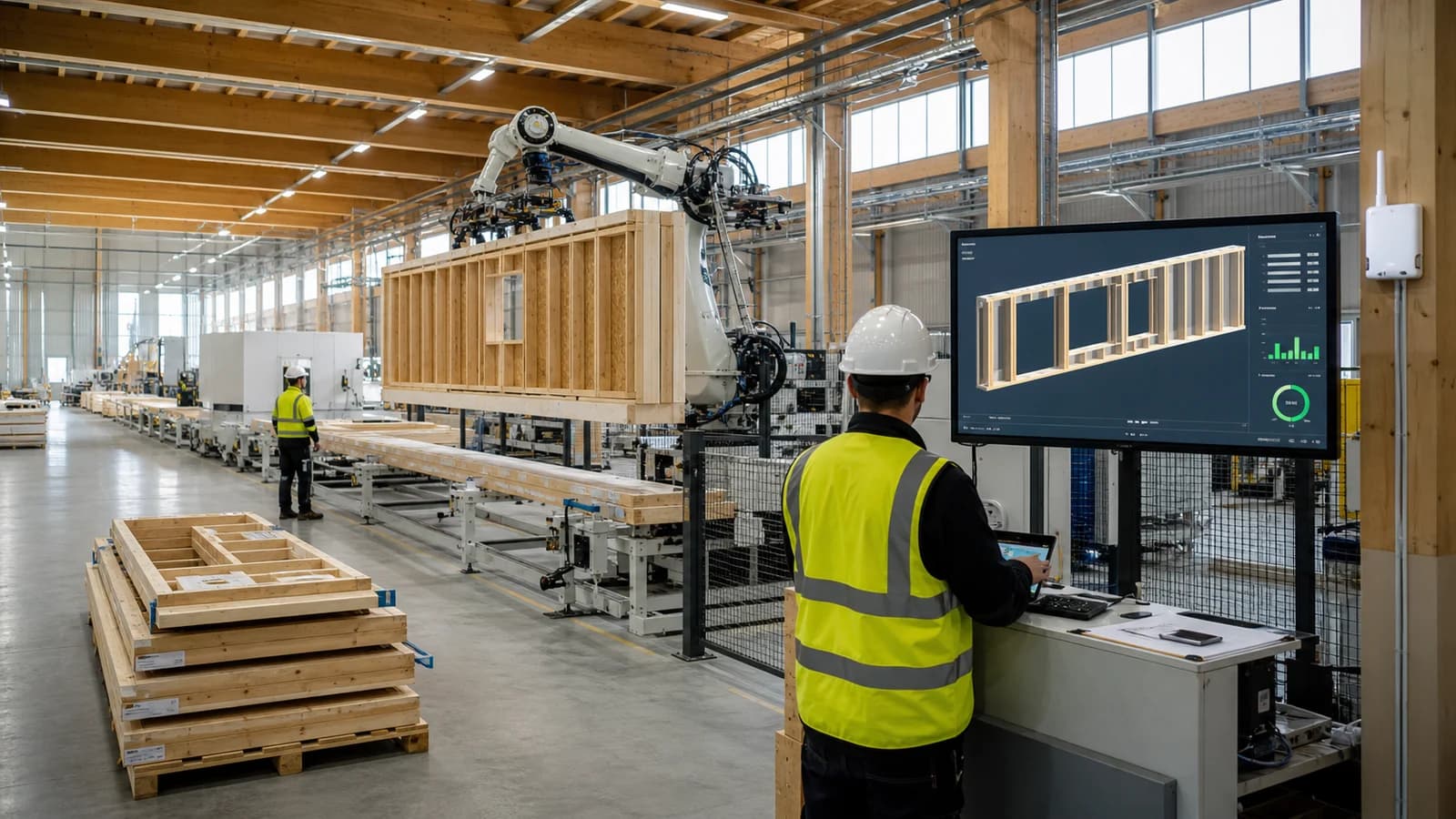
The project combined these networks with digital wood models, open-standard digital twins, edge computing and precise indoor positioning. In pilot workflows, workers could access production information through augmented reality, while digital twins compared real operations with planned tasks.
AI was also used at the edge of the network, allowing data to be analysed close to the machine instead of always being sent to a distant cloud service.
The larger opportunity
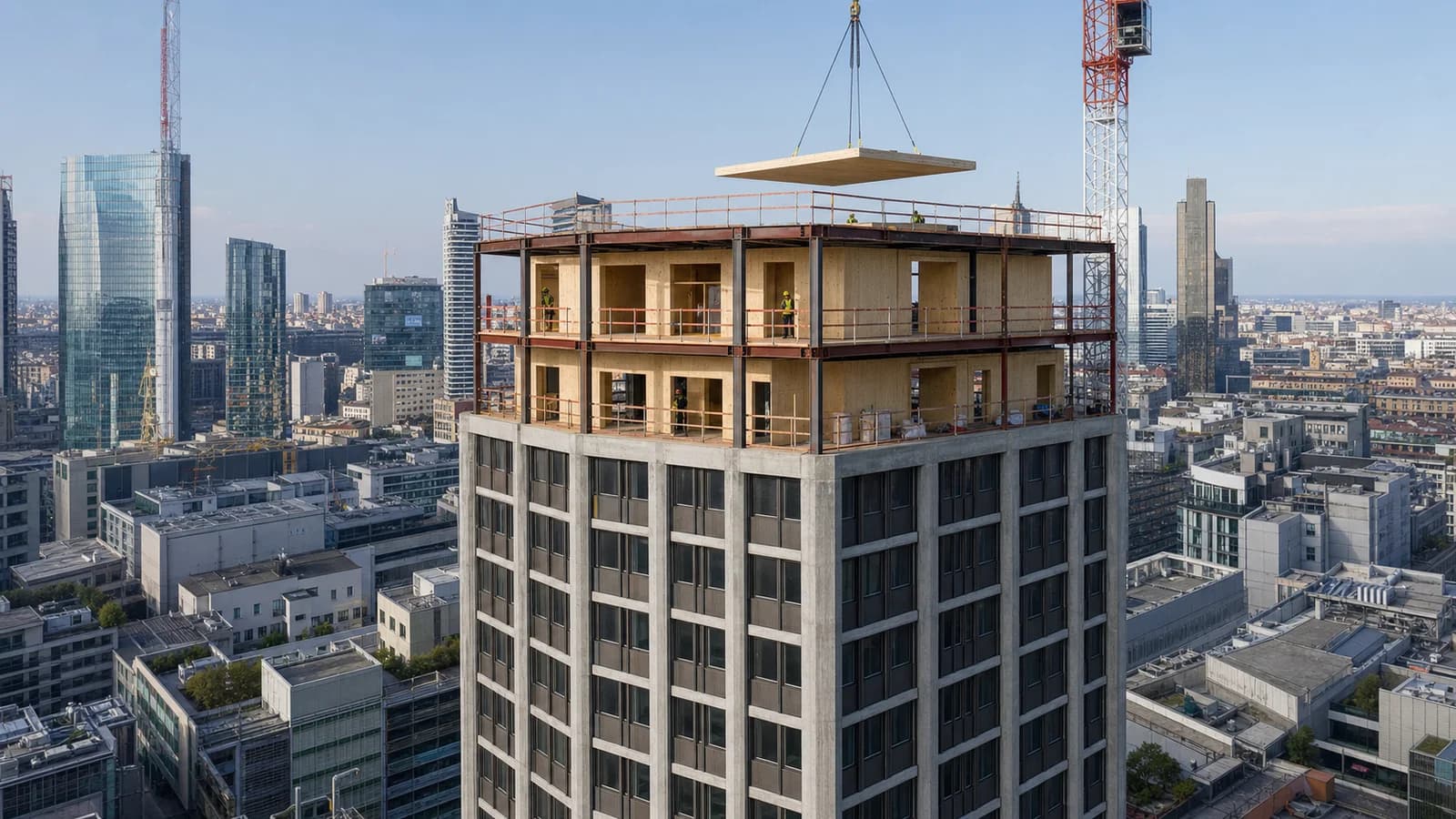
Europe needs faster renovation and more efficient off-site construction, but timber manufacturing is still fragmented. Information is often re-entered between design, engineering, CNC production and assembly.
The strongest promise of 5G-TIMBER is therefore not a single headset or sensor. It is a continuous data chain in which one component can be followed from the digital model through manufacturing and installation.
For design platforms, that direction raises the standard. Geometry must be connected to material, production state, tolerances, logistics and installation status. A digital twin becomes useful only when it represents the real component and stays synchronized with it.
The published results are research pilots, not evidence that every timber factory is ready for full 5G automation. Costs, cybersecurity, interoperability and workforce training remain important barriers.
Even so, 5G-TIMBER demonstrates where industrial timber construction is heading: connected machines, live project data and fewer breaks between design and manufacturing.
Source: European Commission CORDIS, 5G-TIMBER project reporting: https://cordis.europa.eu/project/id/101058505/reporting