Tekla 2026 adds AI to structural BIM—please keep an engineer in the loop
Trimble’s March 2026 release adds AI-assisted fabrication drawings, natural-language modelling previews and cloud settings. The timber opportunity is real, provided automation never becomes anonymous.
Trimble launched the 2026 Tekla portfolio on 11 March with AI-assisted drawings, cloud-connected workflows and new data tools across Tekla Structures, Structural Designer, Tedds and PowerFab.
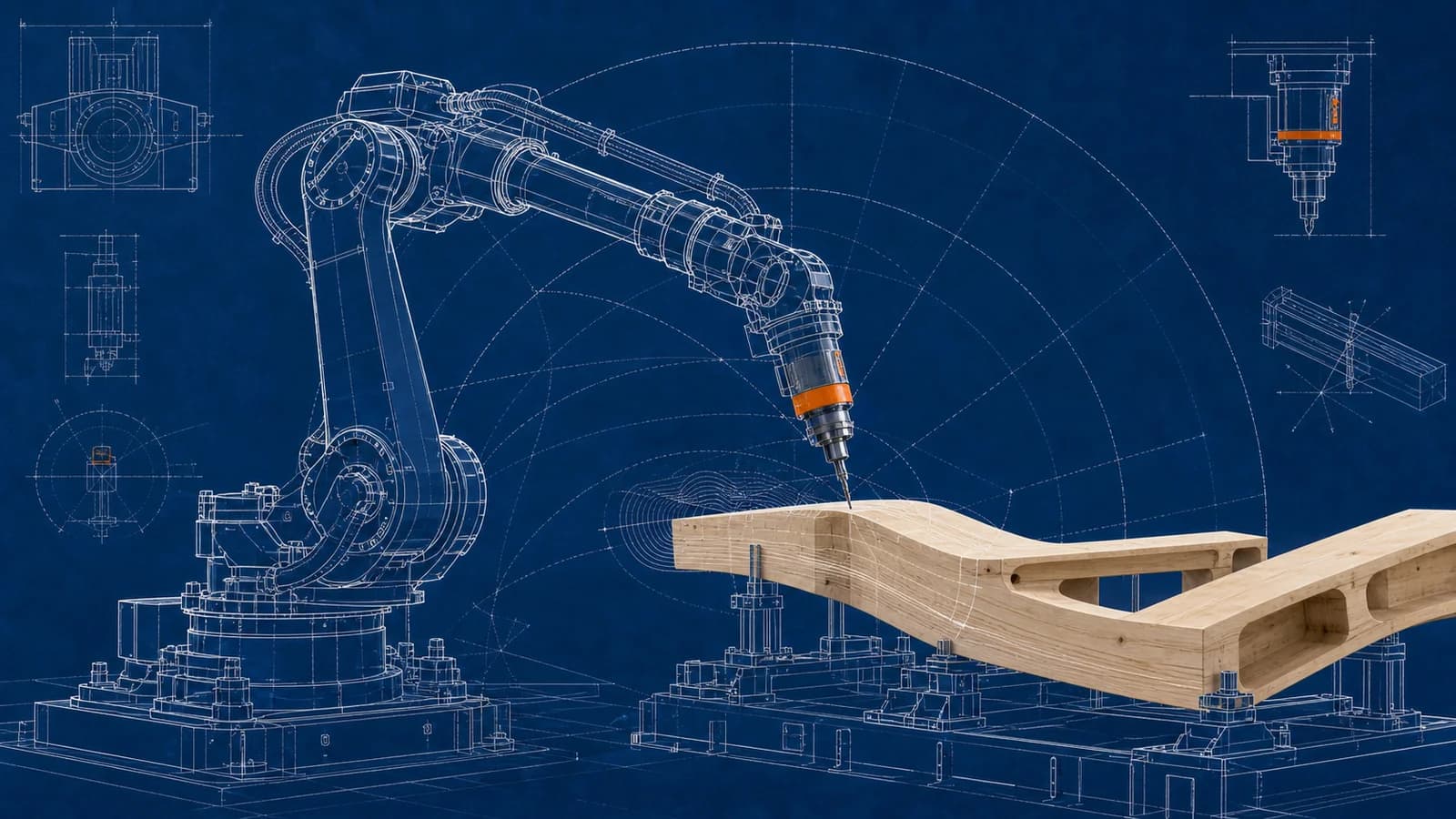
The headline feature is an updated AI Cloud Fabrication Drawings service. It compares a current component with a user-defined library of past drawings, proposes the top matching templates and keeps a human in the loop for selection and adjustment.
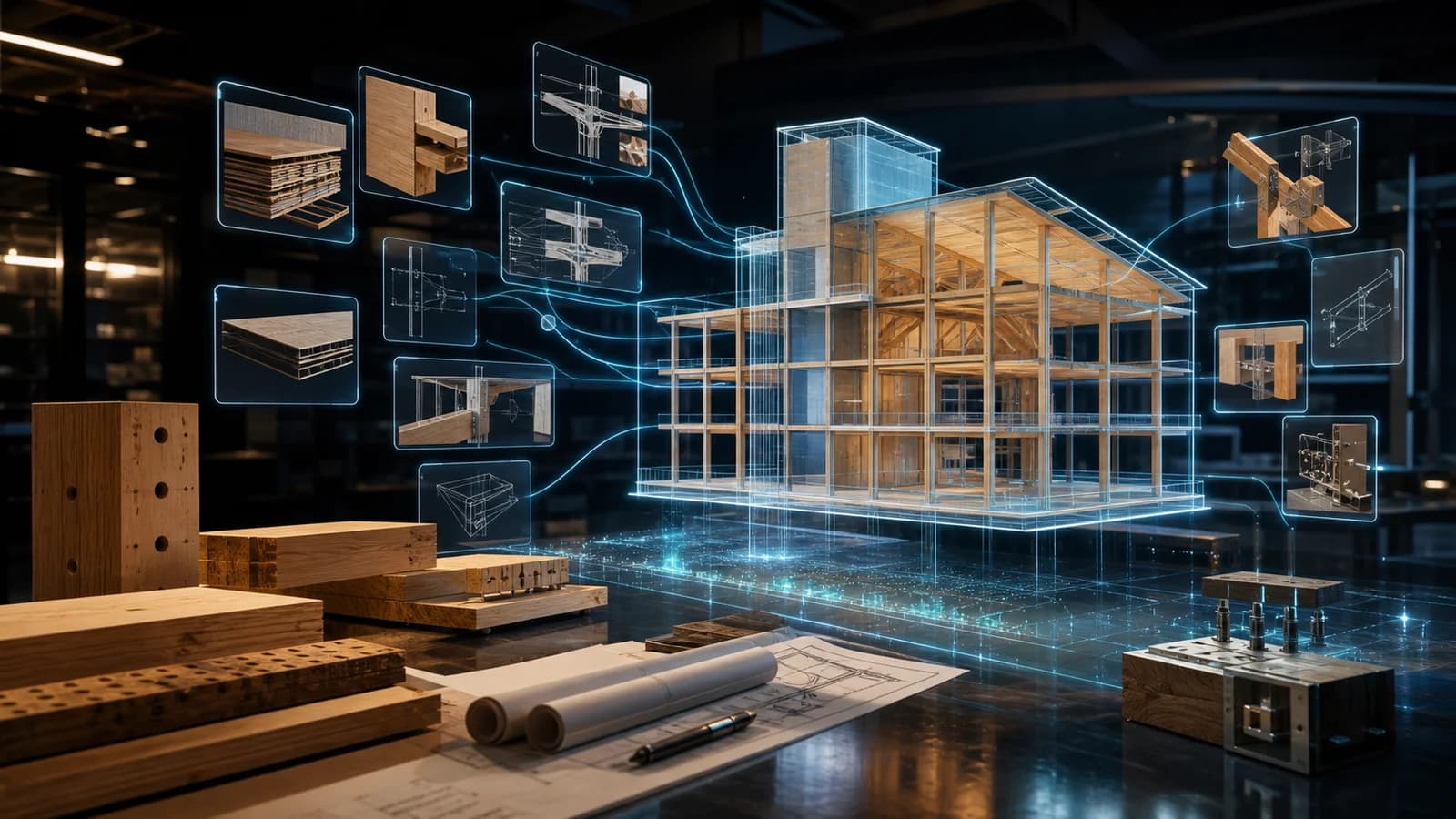
Tekla Structures also previews an AI Model and Drawing Assistant for natural-language modelling operations through Trimble Labs.
We have officially reached the era in which a structural model may respond to a sentence. It should still refuse a bad sentence.
Where AI can genuinely help
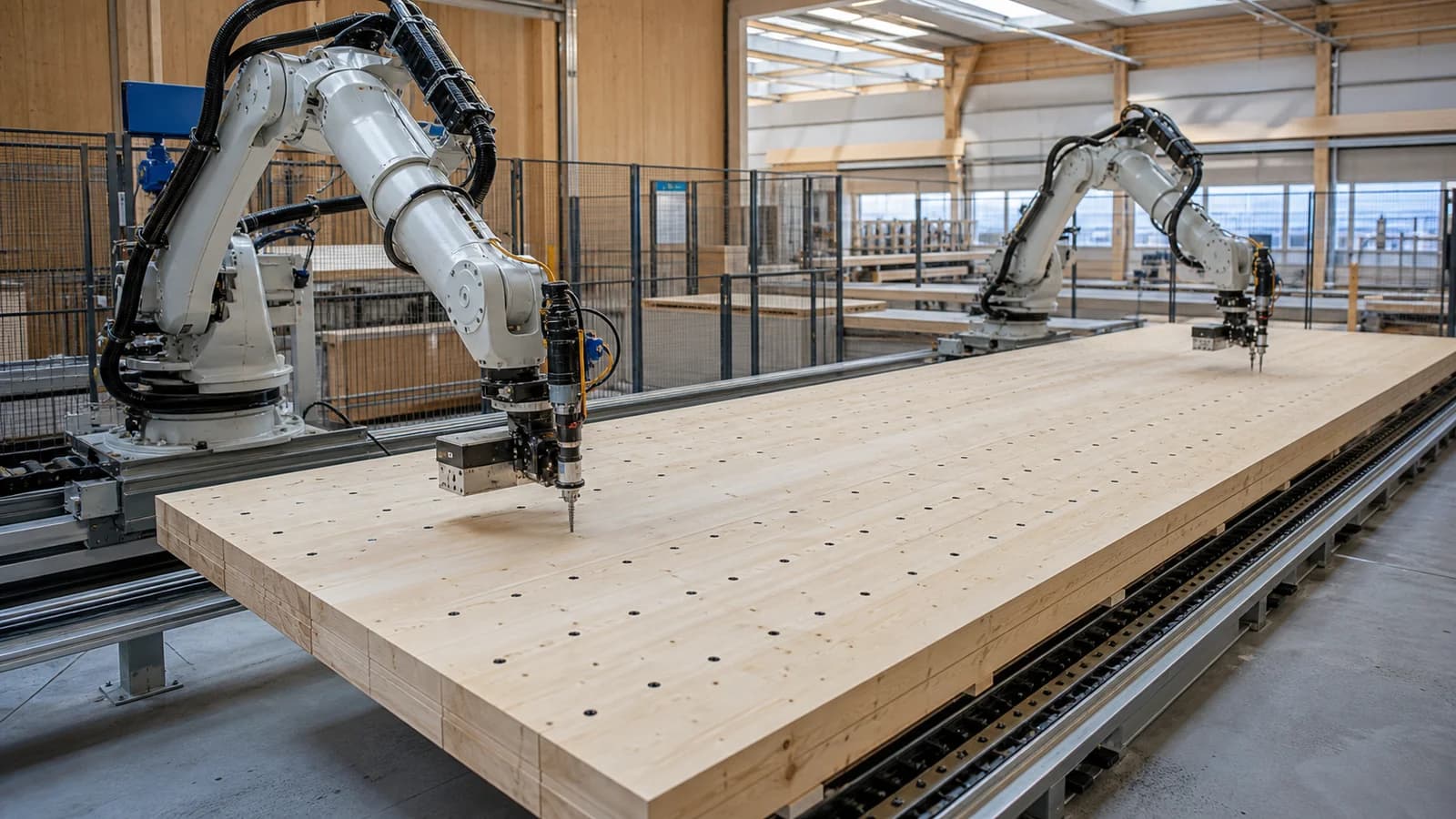
Fabrication drawing production includes repeated decisions about views, dimensions, annotations and templates. Matching a new component to a previously successful drawing is a plausible automation task because the output remains inspectable.
The 2026 service emphasises preview, top matches and improved associativity. That is more useful than generating an untraceable drawing from scratch. A detailer can see the proposed source, review the result and correct it before release.
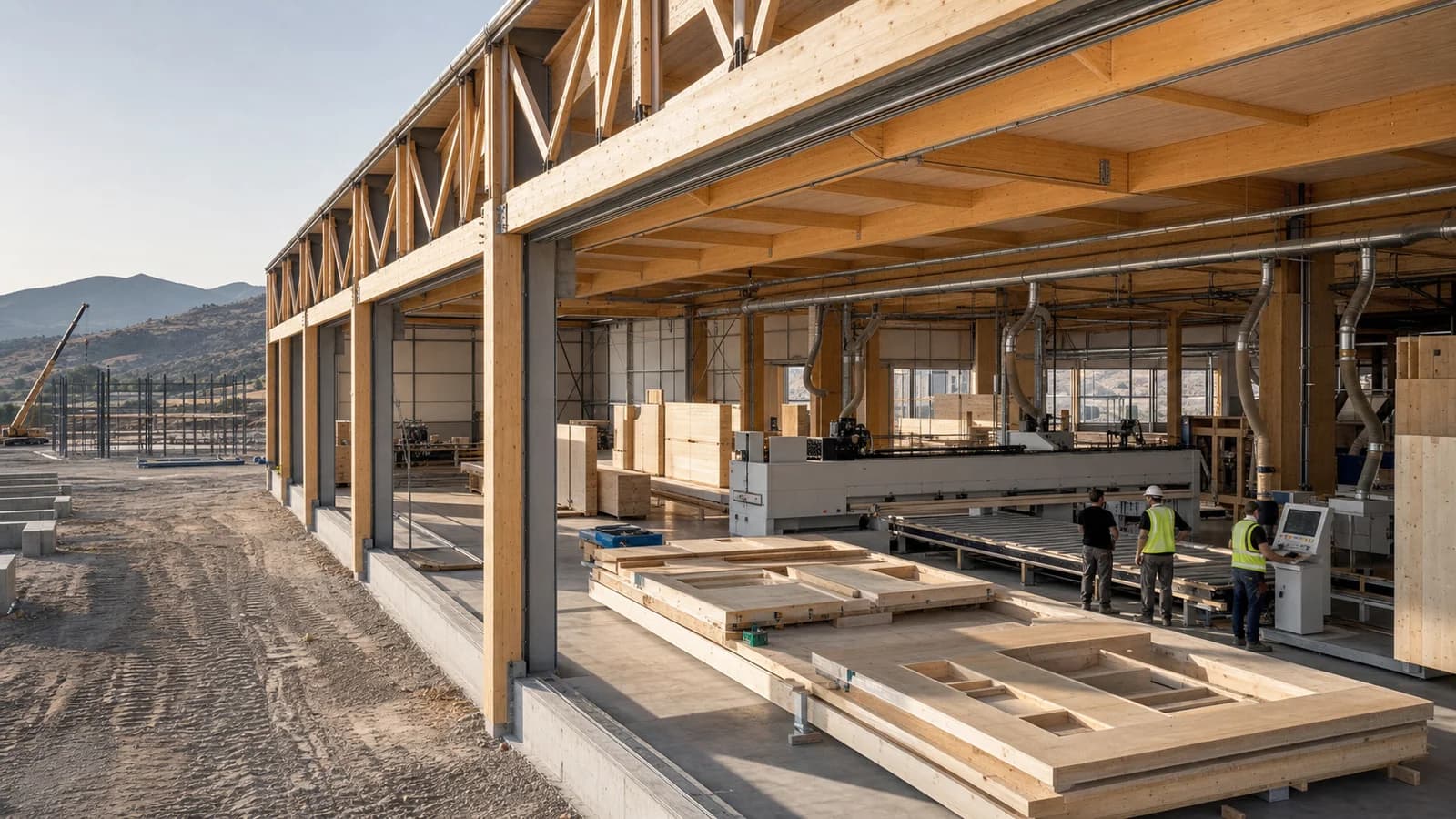
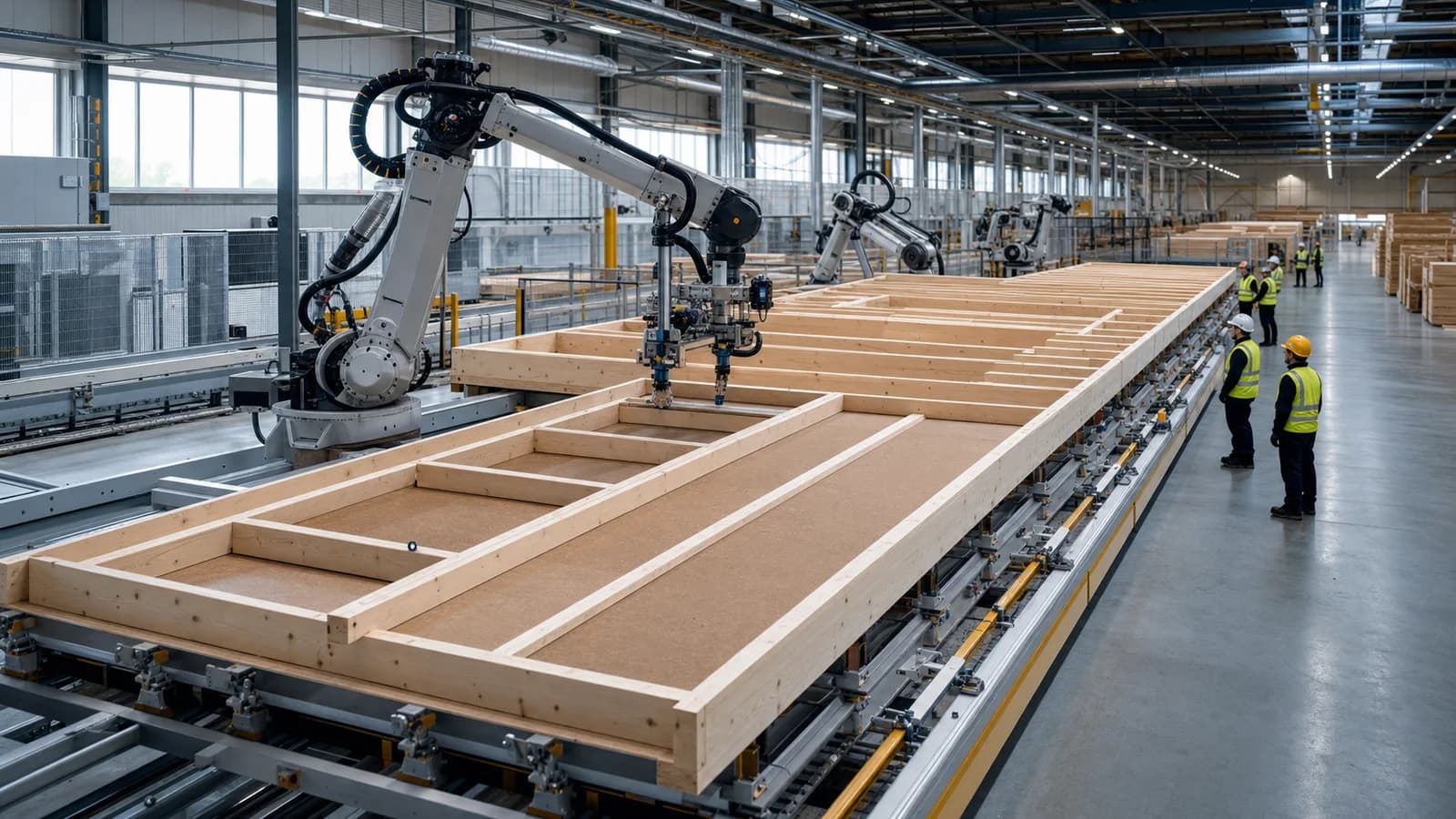
For timber, similar logic could help with repeated panels, beams, cassettes and connection families. The important condition is equivalence. Two components that look similar may require different machining, fire protection or hardware.
Natural language is an interface, not engineering authority
A prompt can speed up model operations, especially for new users. It can also hide assumptions. “Add a beam here” leaves material, grade, support, orientation, connection and load path unanswered.
Preview features deserve preview discipline. Tekla’s release notes state that such features may change or be discontinued and are provided for evaluation. Production teams should test them on copies, record outputs and define which actions require manual approval.
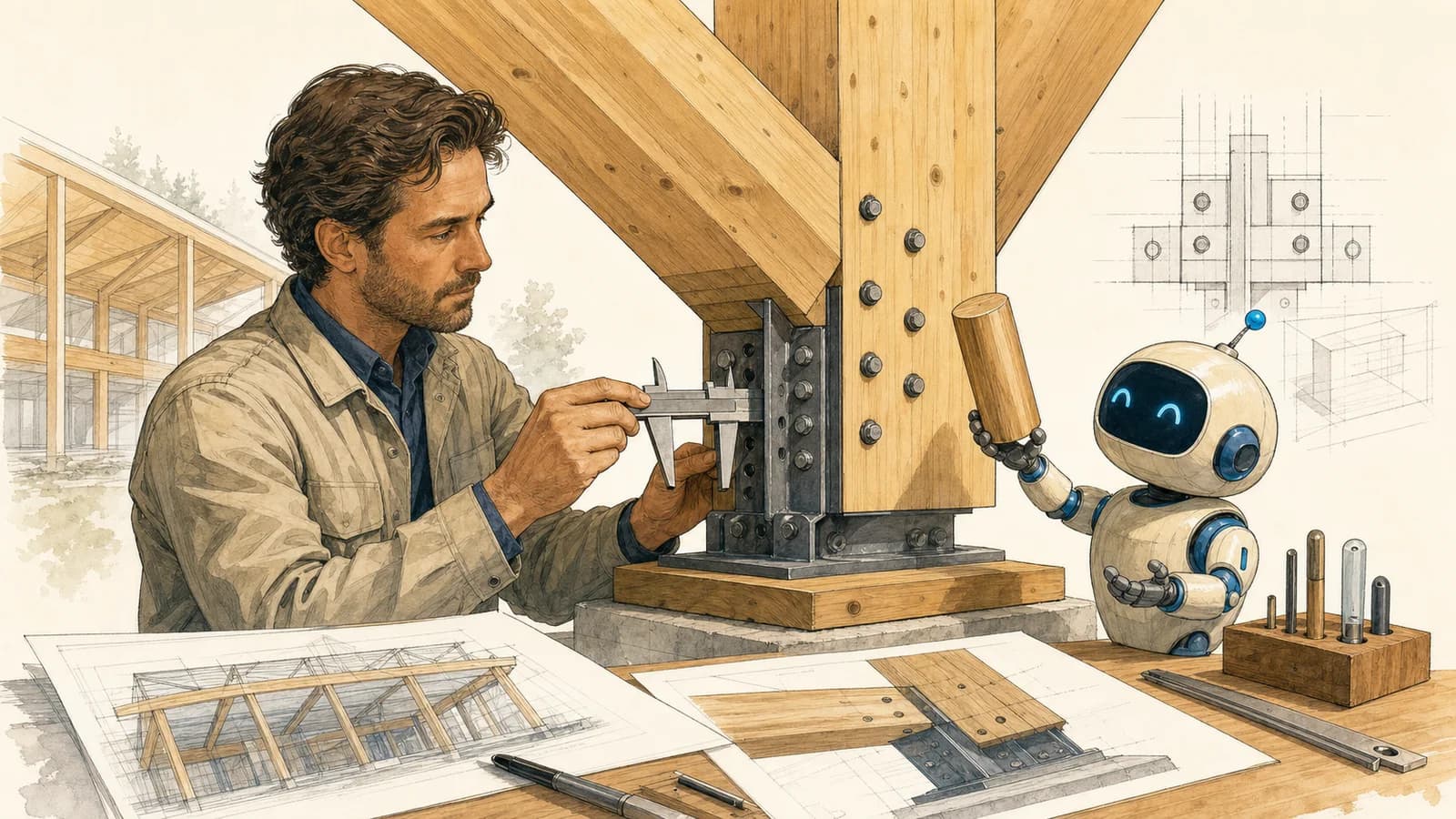
The engineer remains responsible for the physical result. A conversational interface does not change gravity, tolerances or professional liability.
Cloud settings address a less amusing problem
Tekla’s Project Settings Management Console, also in preview, is designed to distribute consistent project settings and extensions through cloud environments. That may sound administrative, but inconsistent profiles, attributes and templates are a common source of errors.
For distributed timber teams, a controlled project environment can reduce the risk that one modeller uses an outdated connection or property scheme. Tekla also warns that 2026 models are not backwards compatible, so migration and backups require planning.
Timber relevance without timber hype
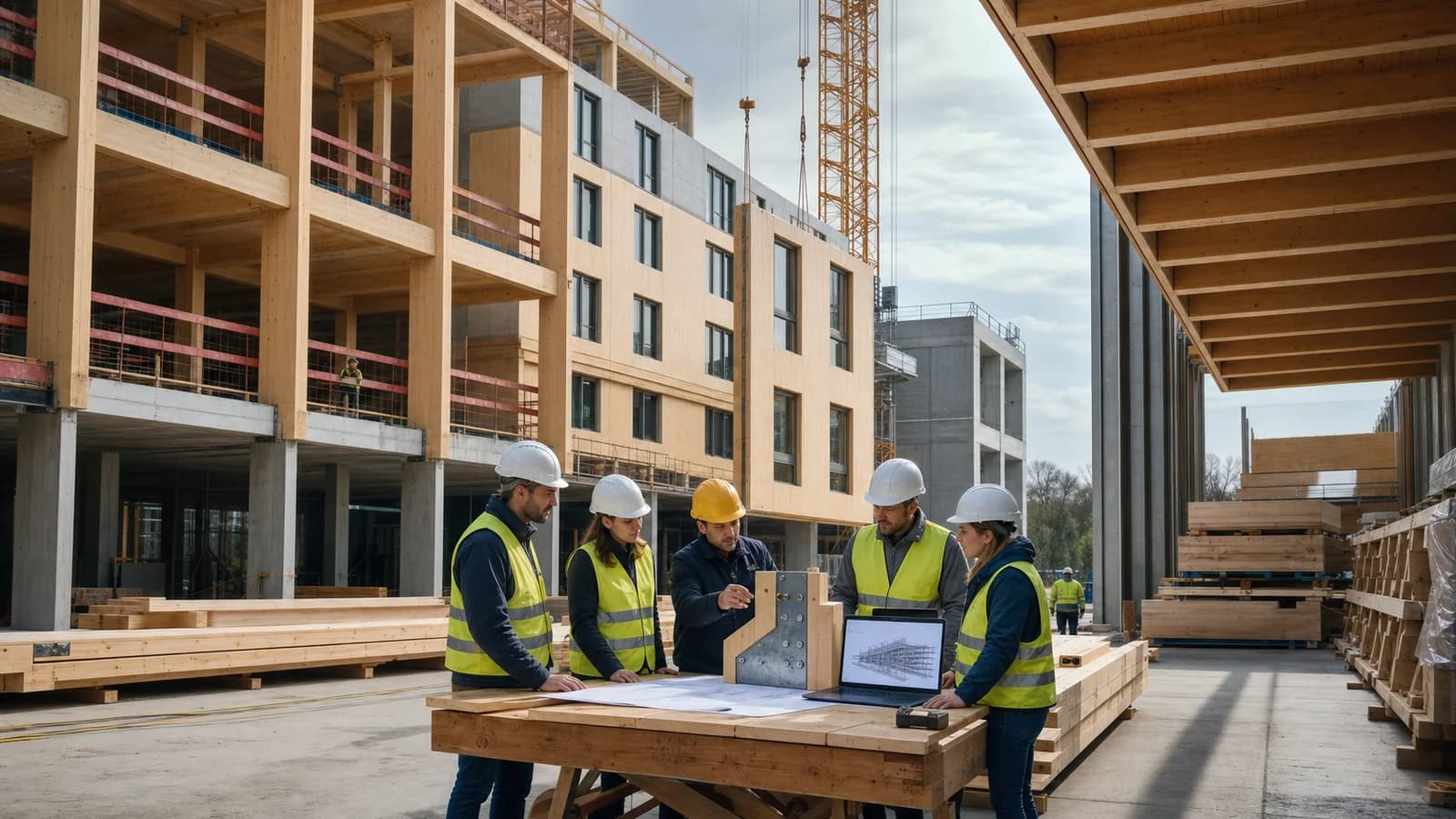
Tekla is widely known for steel and concrete, but Trimble describes Structures as material-agnostic and applicable to timber and off-site volumetric work. Its Open API release notes include properties related to CLB profiles, while the platform supports detailed multi-material models and fabrication data.
That does not make every new AI feature timber-ready. A model can represent wood geometry without understanding grain direction, moisture movement, bearing, notch limits or product certification.
The useful path is explicit domain data. AI may select a drawing template or accelerate an operation, but verified timber rules should determine whether the component is valid.
The FrameVerk rule
Automation should make provenance clearer, not blurrier. Every generated drawing or model change should record:
- what initiated it; - which template, rule or prior example it used; - which components changed; - who reviewed it; - when it became fabrication-ready.
If a result cannot explain where it came from, it should not travel to a saw.
Tekla 2026 offers promising assistance for repetitive structural work. The winning teams will not be those that remove people fastest. They will be those that give skilled people better evidence, fewer manual transfers and a reliable way to say “no, the robot has misunderstood the purlin again.”
Sources
- Trimble, “Trimble Unveils 2026 Tekla Software,” 11 March 2026: https://news.trimble.com/Trimble-Unveils-2026-Tekla-Software-Accelerating-BIM-Engineering-and-Construction-Productivity-Through-Streamlined-Workflows-and-AI - Trimble User Assistance, Tekla Structures 2026 release notes: https://support.tekla.com/doc/tekla-structures/2026/rel_cover - Tekla Developer Center, Tekla Structures 2026 Open API release notes: https://developer.tekla.com/documentation/tekla-structures-2026-open-api-release-notes - Tekla, multi-material and timber scope of Tekla Structures: https://www.tekla.com/uk/resources/tekla-structures/what-is-tekla-structures-and-why-would-i-use-it