Toronto Installs a 210-Kilogram Robot for Full-Scale Mass-Timber Fabrication
The University of Toronto’s first industrial-scale timber-fabrication robot combines a 3.5-metre reach, 210-kilogram payload and 0.06-millimetre repeatability.
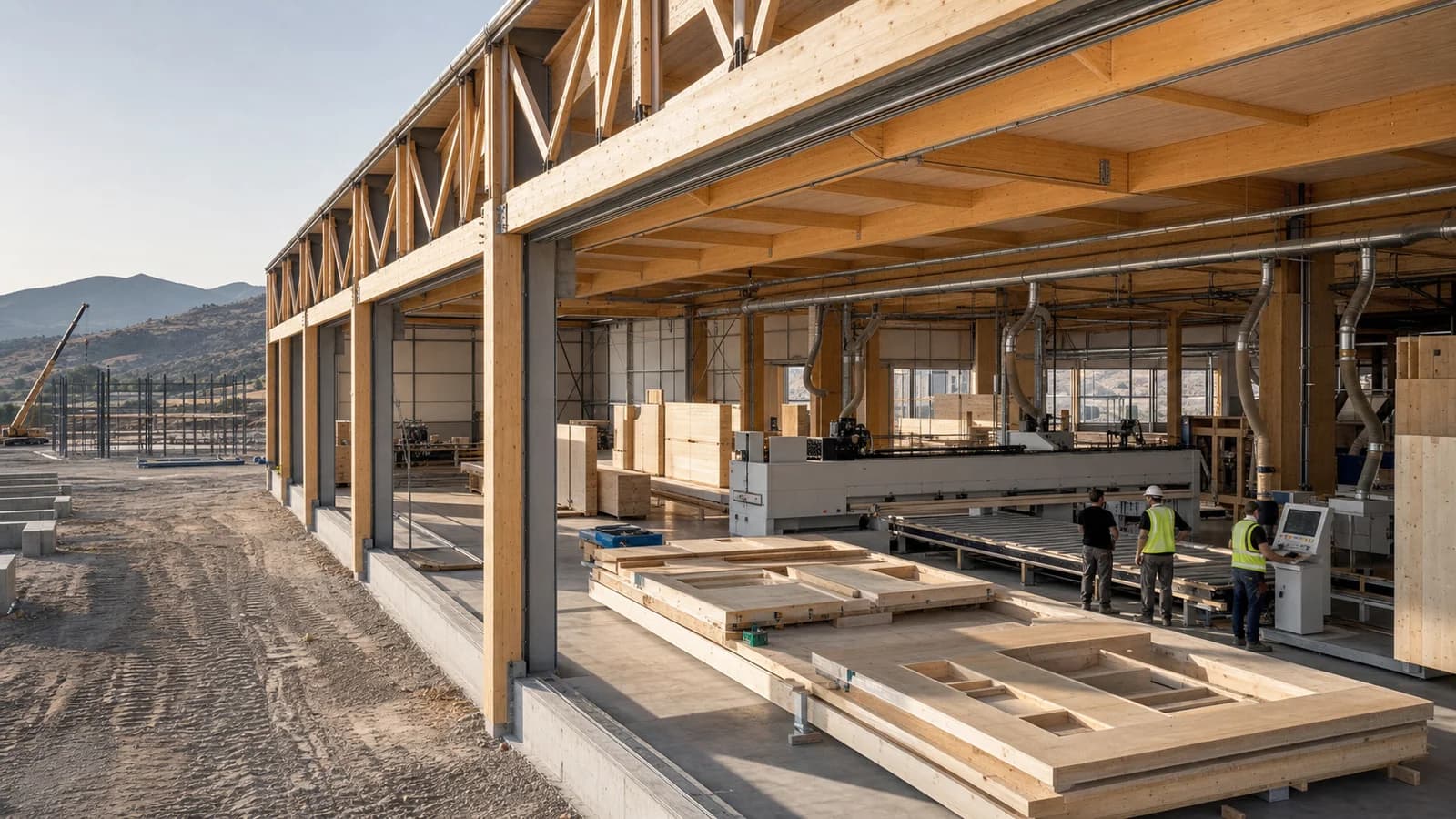
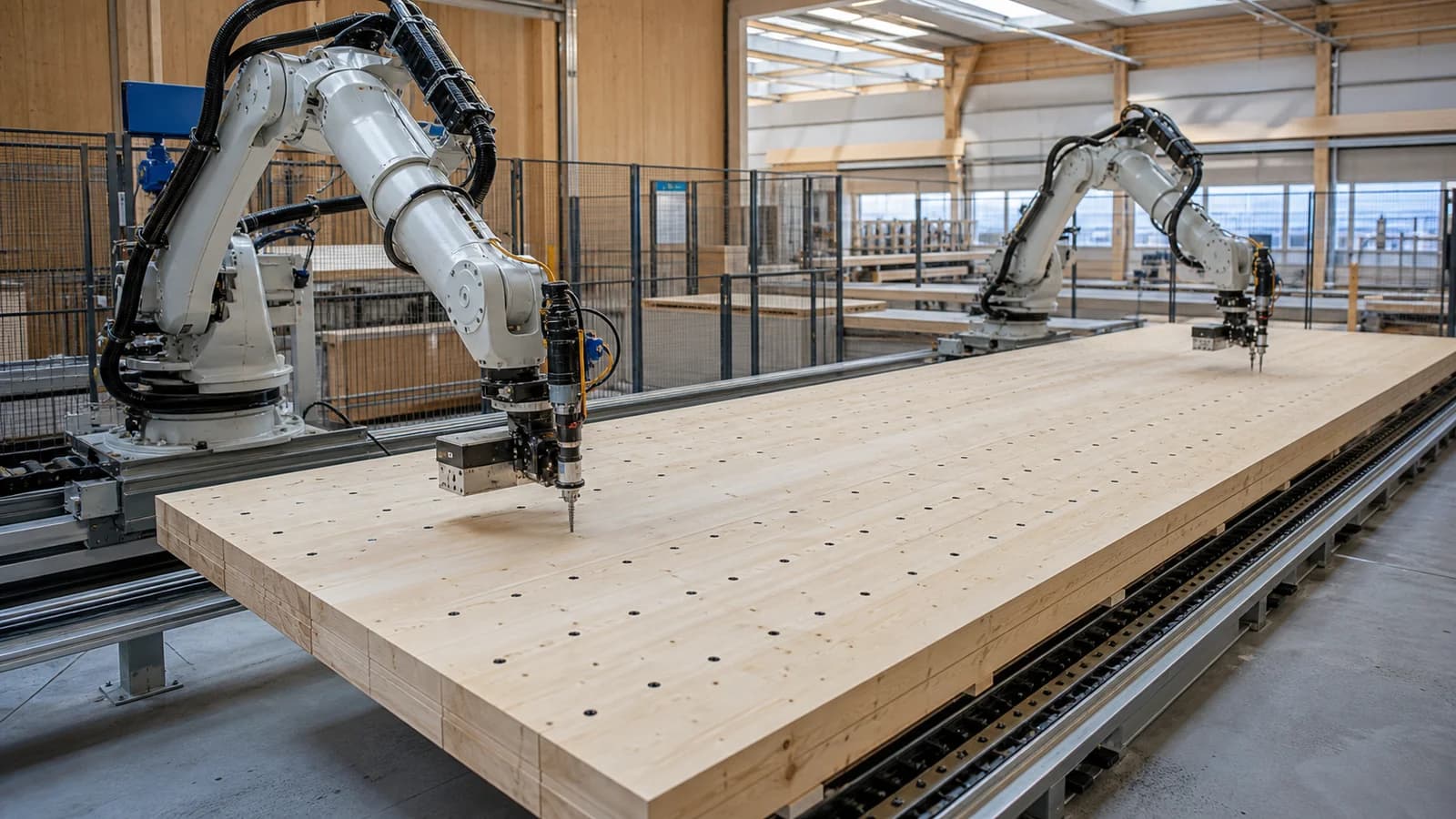
The University of Toronto installed its first industrial-scale robotic fabrication system for timber construction in spring 2026. Housed in the Civil & Mineral Engineering machine shop, it is the largest system of its kind at a Canadian university, according to the department.
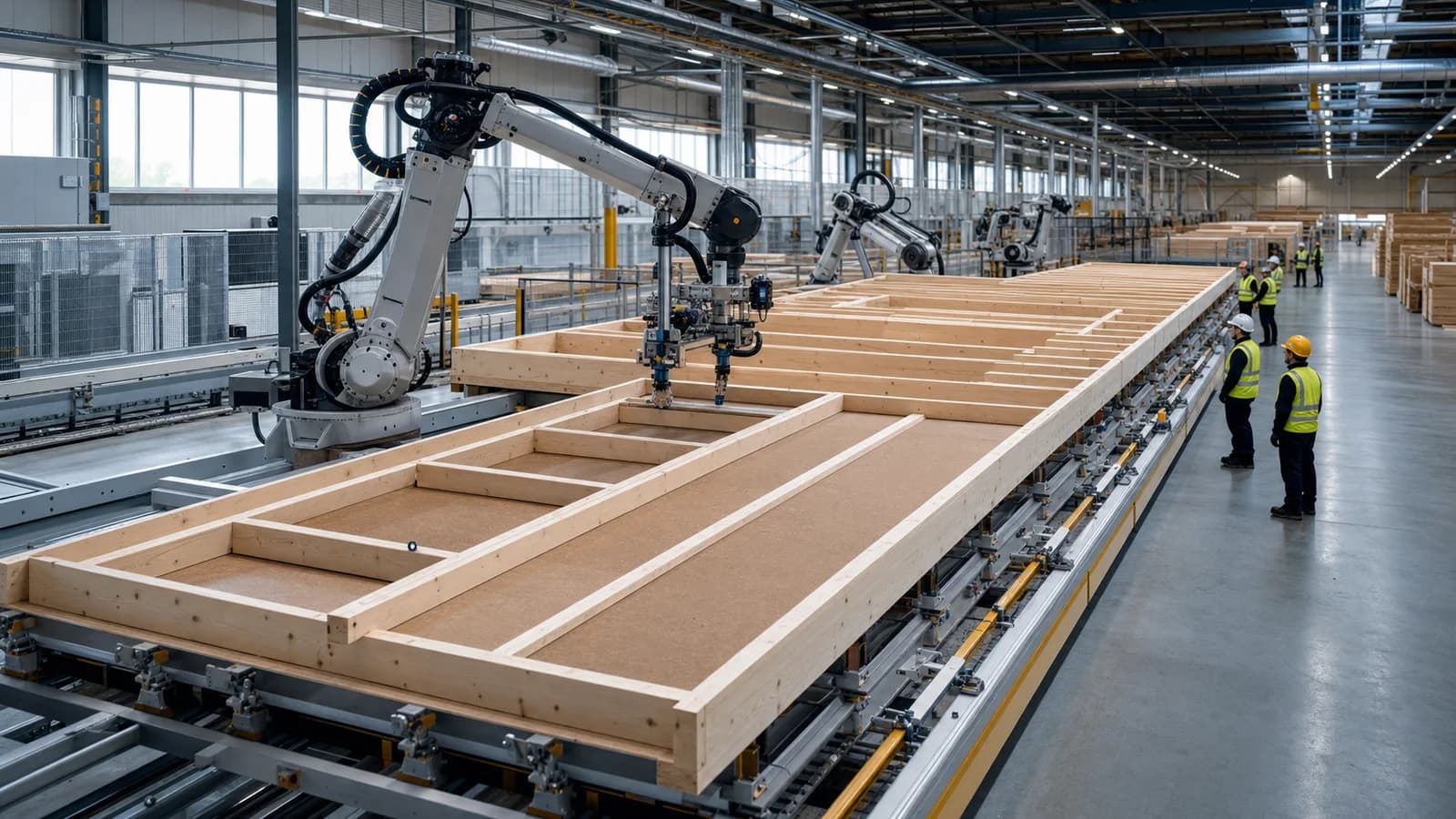
The robot arrived in February and its final installation was completed on 27 April. The published specification reads like a promising new colleague: 3.1 metres long, a maximum reach of 3.5 metres with tooling, a 210-kilogram payload and pose repeatability of 0.06 millimetres. It also carries a 15 kW spindle for mass-timber fabrication.
It probably still refuses the first coffee run.
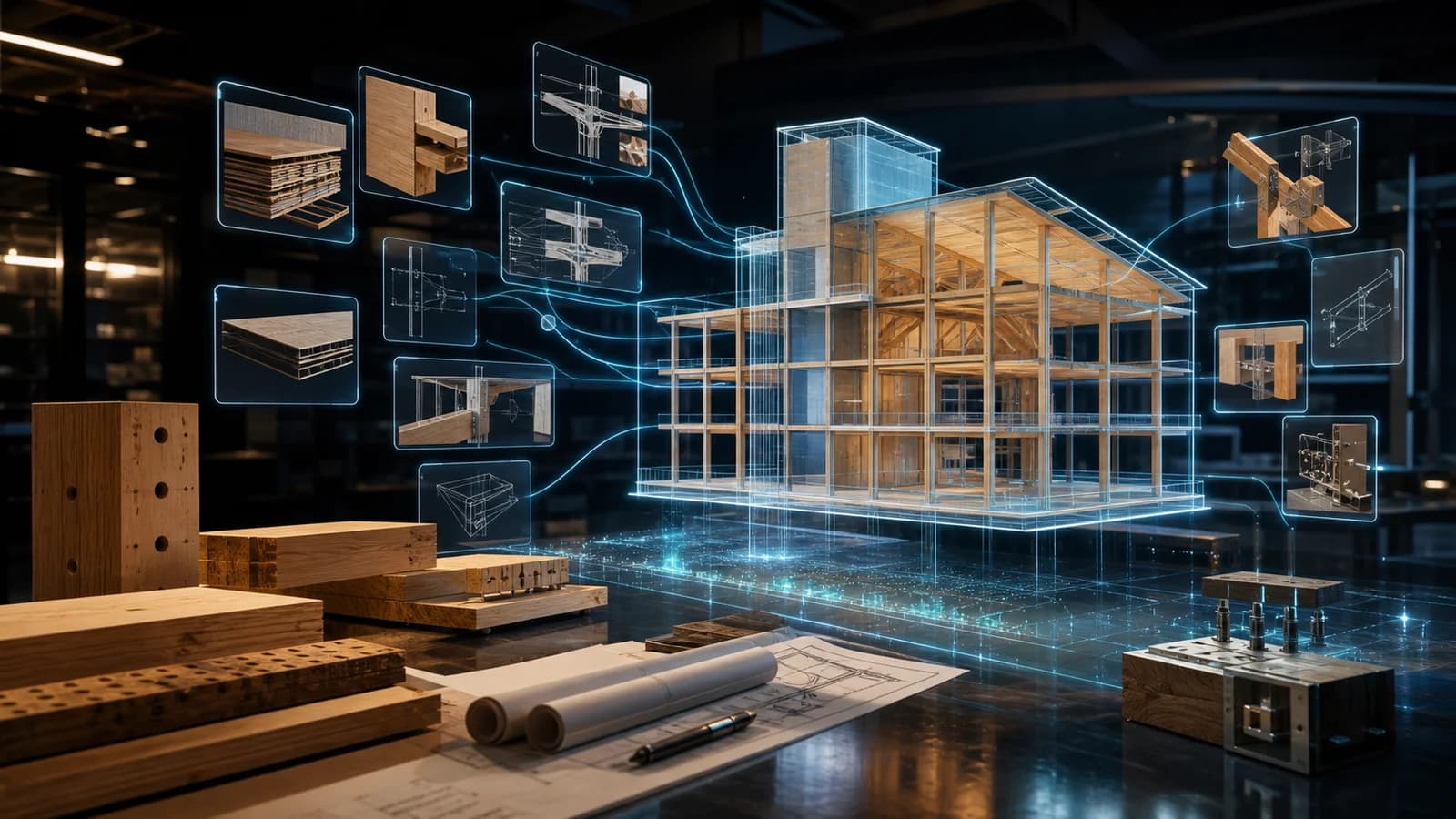
From digital model to full-size component
Professor Aryan Rezaei Rad and the Sustainable Structural Systems Research Group will use the system to explore mass timber, digital fabrication, structural optimisation and design for assembly.
The key change is scale. Desktop prototypes and small CNC tests are useful, but building components demand reach, payload and tooling that can process real material. The new robot can move from an on-screen design to a full-size specimen while maintaining controlled tool paths.
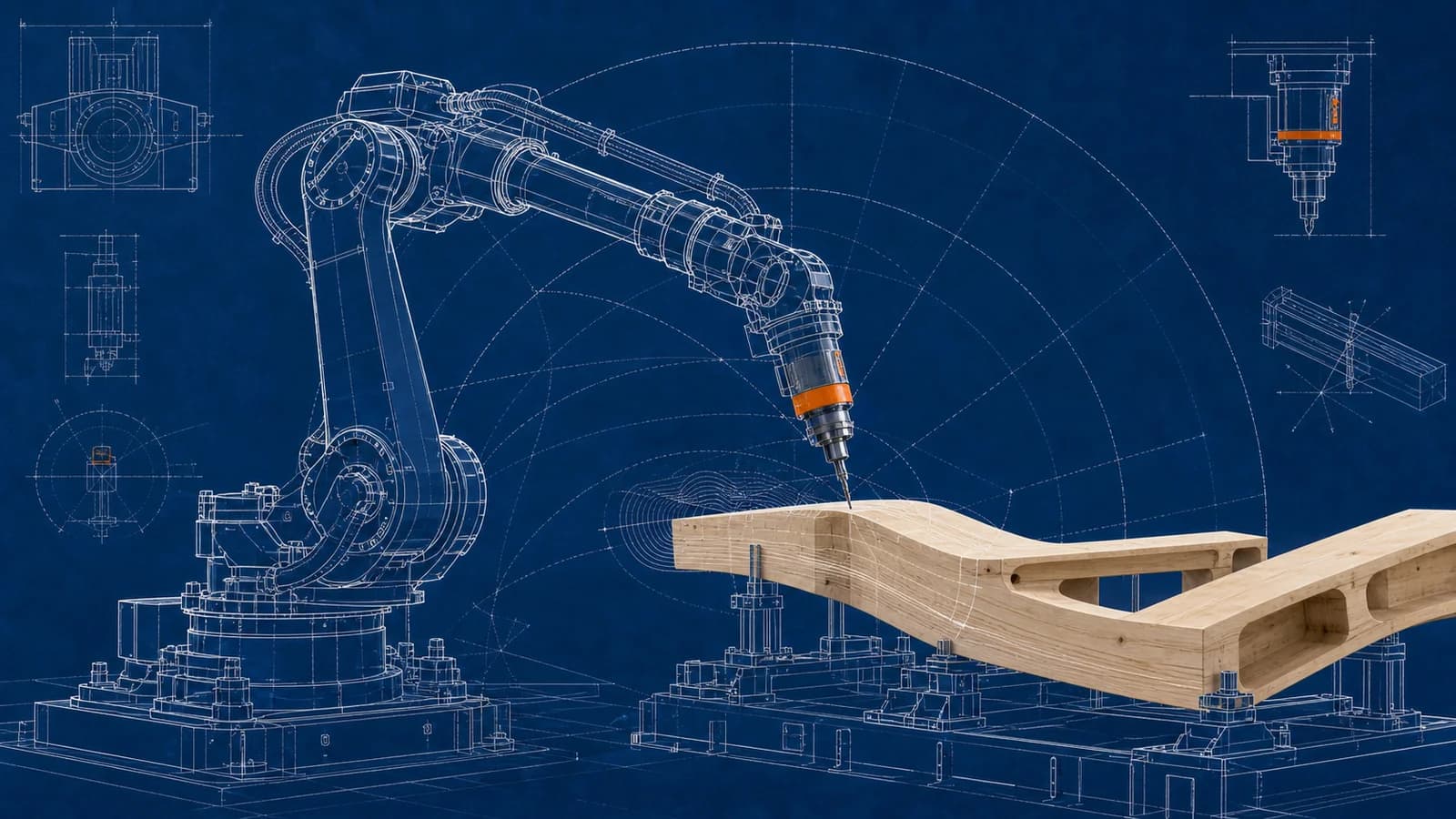
Possible operations include multi-axis machining and fabrication of mass-timber components. The group’s wider research combines computational design, experimental engineering and advanced manufacturing to create structures that use material efficiently and are straightforward to assemble.
The numbers describe different capabilities
Reach determines the volume around the robot that tooling can access. Payload limits the combined mass of tools and anything the machine manipulates. Spindle power affects feasible machining operations, while pose repeatability indicates how consistently the arm can return to a commanded position.
None of these values alone defines a productive timber cell. The fixture, tool changer, extraction, safety system and software pipeline determine how the robot performs useful work. Publishing the specifications nevertheless gives other researchers a clear basis for understanding the experiments that follow.
Precision does not remove tolerances
A repeatability value of 0.06 mm describes the robot’s ability to return to a pose under specified conditions. It is not a promise that every timber component will be accurate to 0.06 mm.
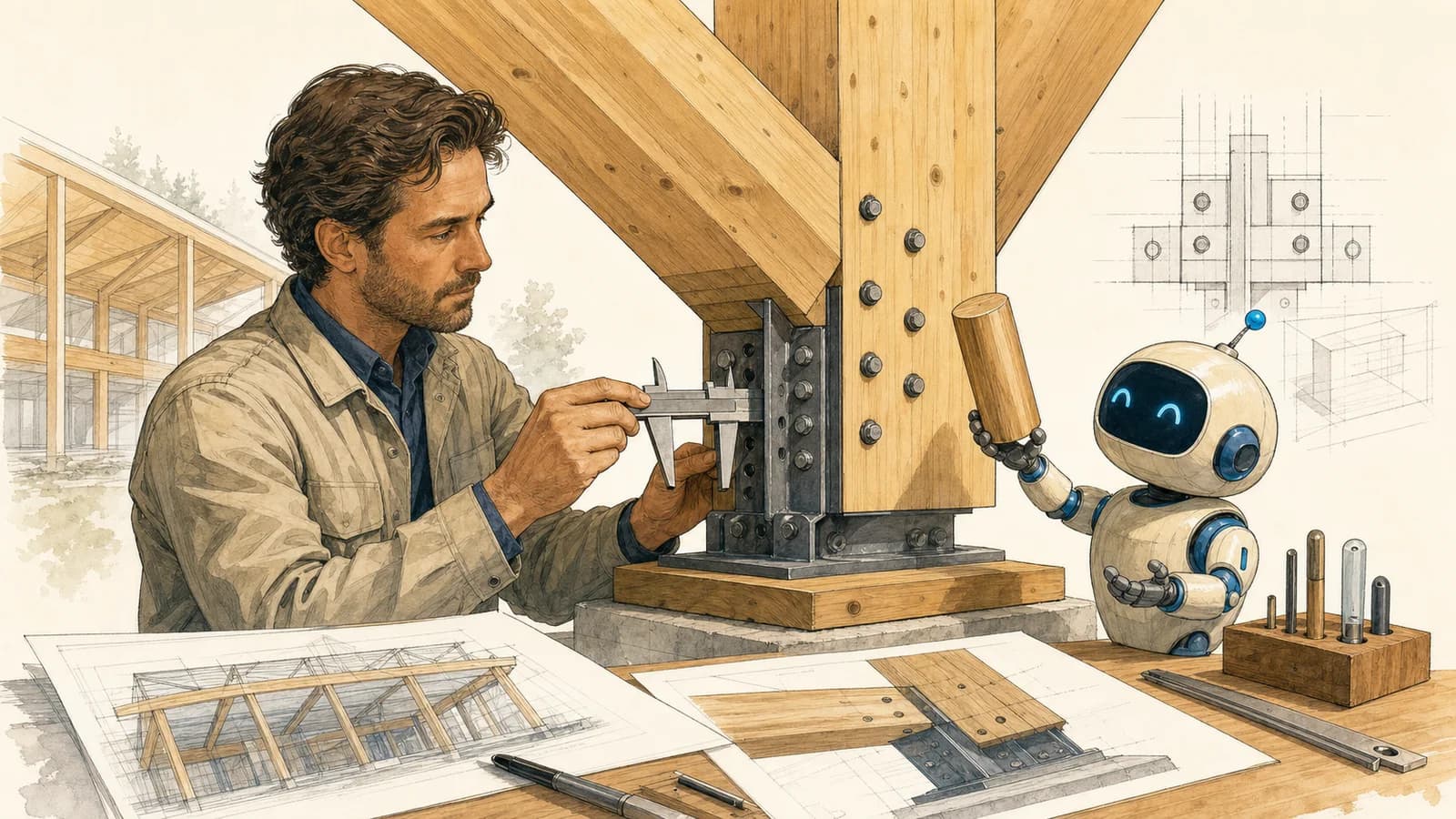
Wood varies with moisture, grain and product manufacture. Tool deflection, calibration, fixturing and workpiece position also affect the finished geometry. The complete production cell needs scanning, datums, quality checks and a tolerance strategy.
That distinction matters when digital fabrication is marketed as magic. The robot can execute an accurate path; engineers still have to define the correct path and verify the material outcome.
A teaching tool and a research platform
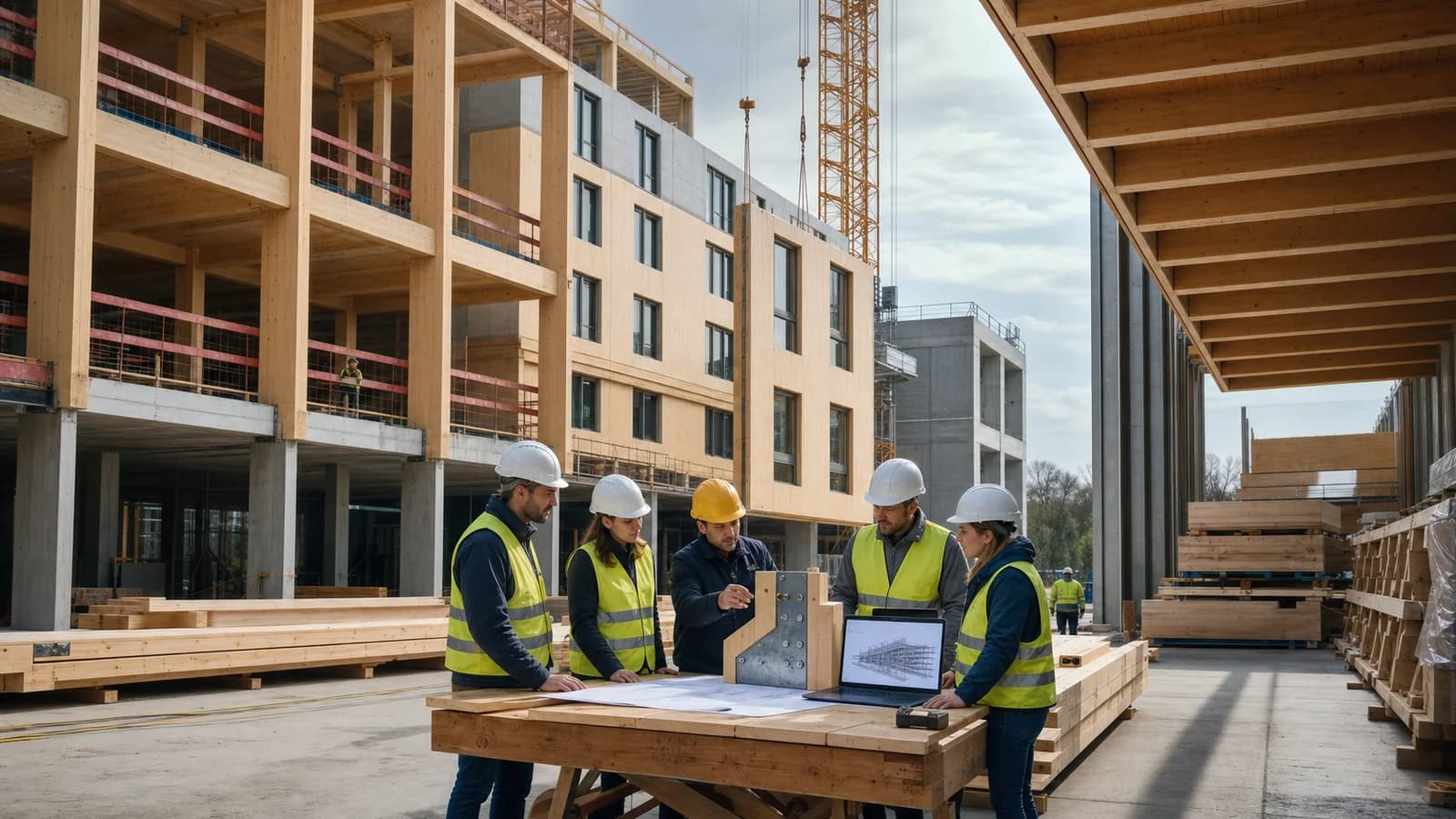
The installation supports research but also gives students direct experience of design-to-fabrication workflows. The related Robot Made 2026 programme asks how computational tools and robotic systems can challenge conventional wood construction.
In July, researchers linked to the group published work on engineering-integrated robotic timber diagrids, connecting analysis, fabrication and rapid assembly. That direction suggests the new machine will be used not only for cutting isolated pieces but for testing complete structural logics.
Why this matters beyond Toronto
Construction robotics will not replace every carpenter or CNC line. Its near-term value may be in complex, repetitive or ergonomically difficult tasks, and in components whose geometry changes without becoming completely unique.
For timber software, robotic equipment raises the standard of information. Geometry must include tool access, workholding, sequencing and inspectable tolerances. A model that looks correct on screen can still be impossible to machine or assemble.
Toronto’s new robot is therefore best understood as infrastructure for closing the gap between computation and physical building. Its specifications are impressive. The more important output will be verified systems that other designers and manufacturers can learn from.
Sources: University of Toronto Civil & Mineral Engineering, “CivMin’s new arm in the robotics game,” 5 May 2026: https://civmin.utoronto.ca/civmins-new-arm-in-the-robotics-game/
University of Toronto, Sustainable Structural Systems Research Group: https://sustrucsy.civmin.utoronto.ca/
Frontiers in Built Environment, “Engineering-integrated robotic timber diagrids,” 7 July 2026: https://www.frontiersin.org/journals/built-environment/articles/10.3389/fbuil.2026.1837367/full