California Links Mass Timber Growth to Forest and Wildfire Strategy
California’s first statewide Mass Timber Coalition connects building demand with forest health, wildfire-risk reduction, local CLT and glulam manufacturing, workforce development and regulatory reform.
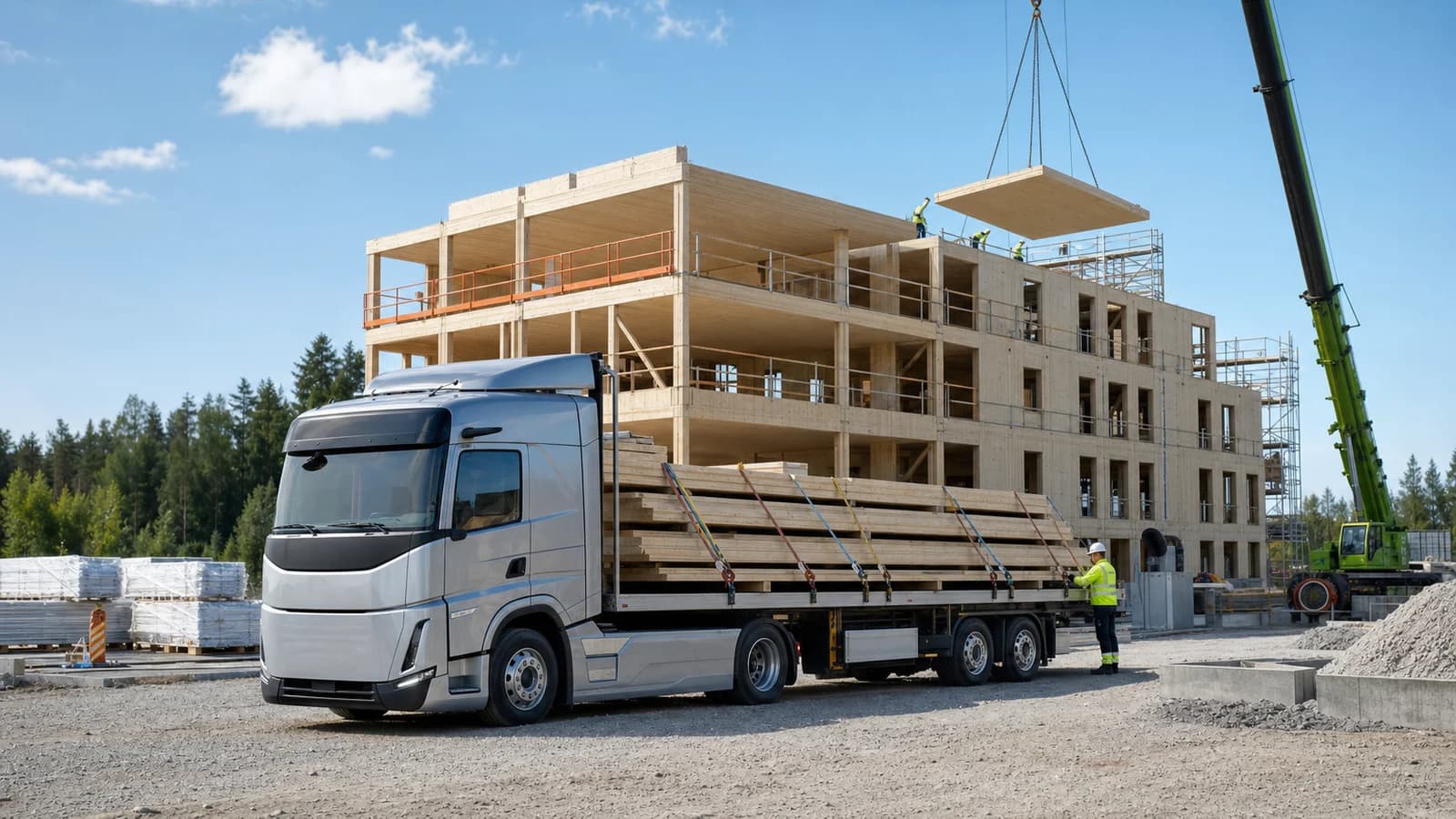
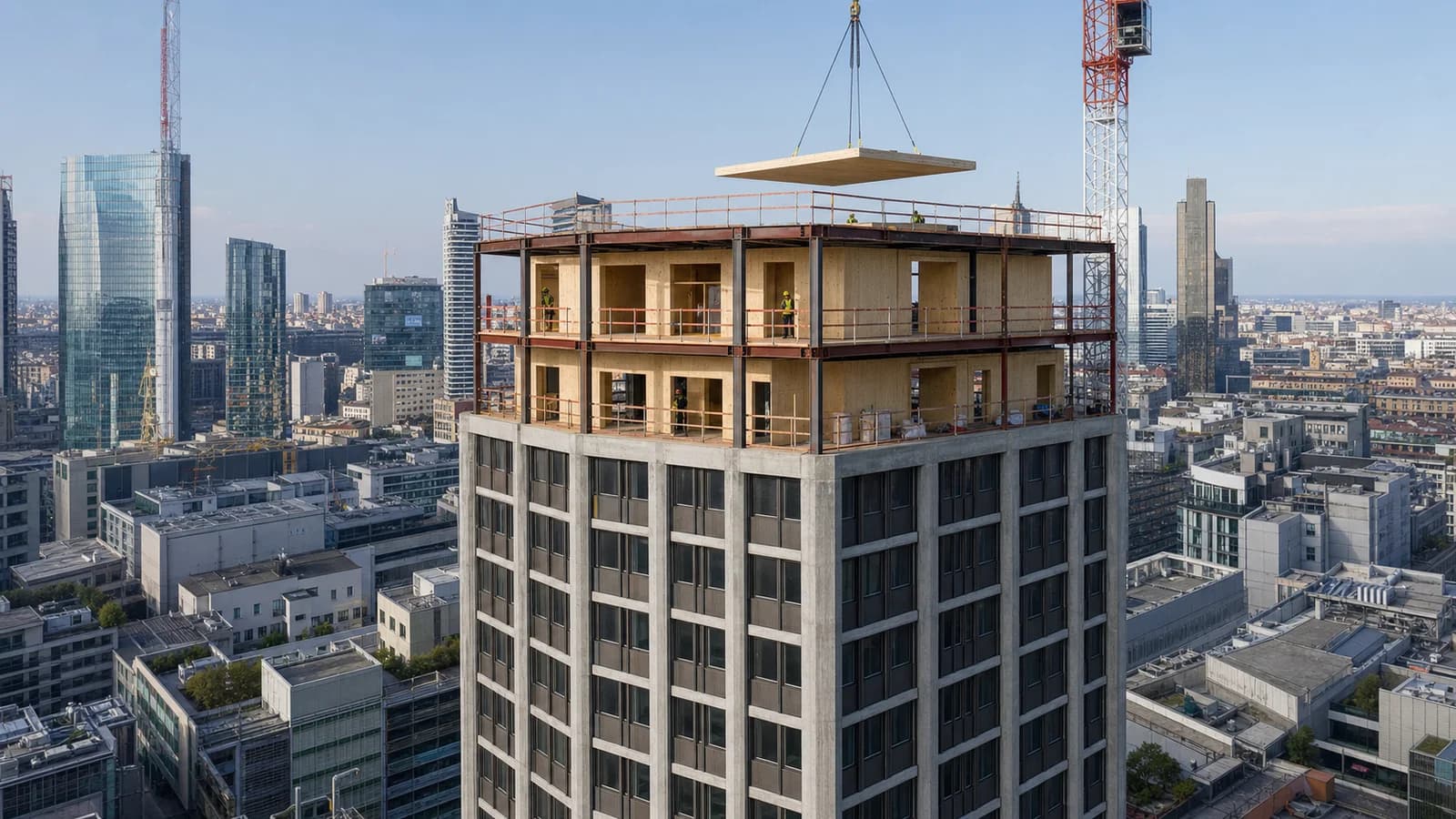
California has launched its first statewide Mass Timber Coalition, bringing construction, forestry, manufacturing, government and research organisations into one coordinated initiative. Announced in June 2026, the coalition is designed to accelerate mass timber adoption while supporting forest health, wildfire-risk reduction and economic development.
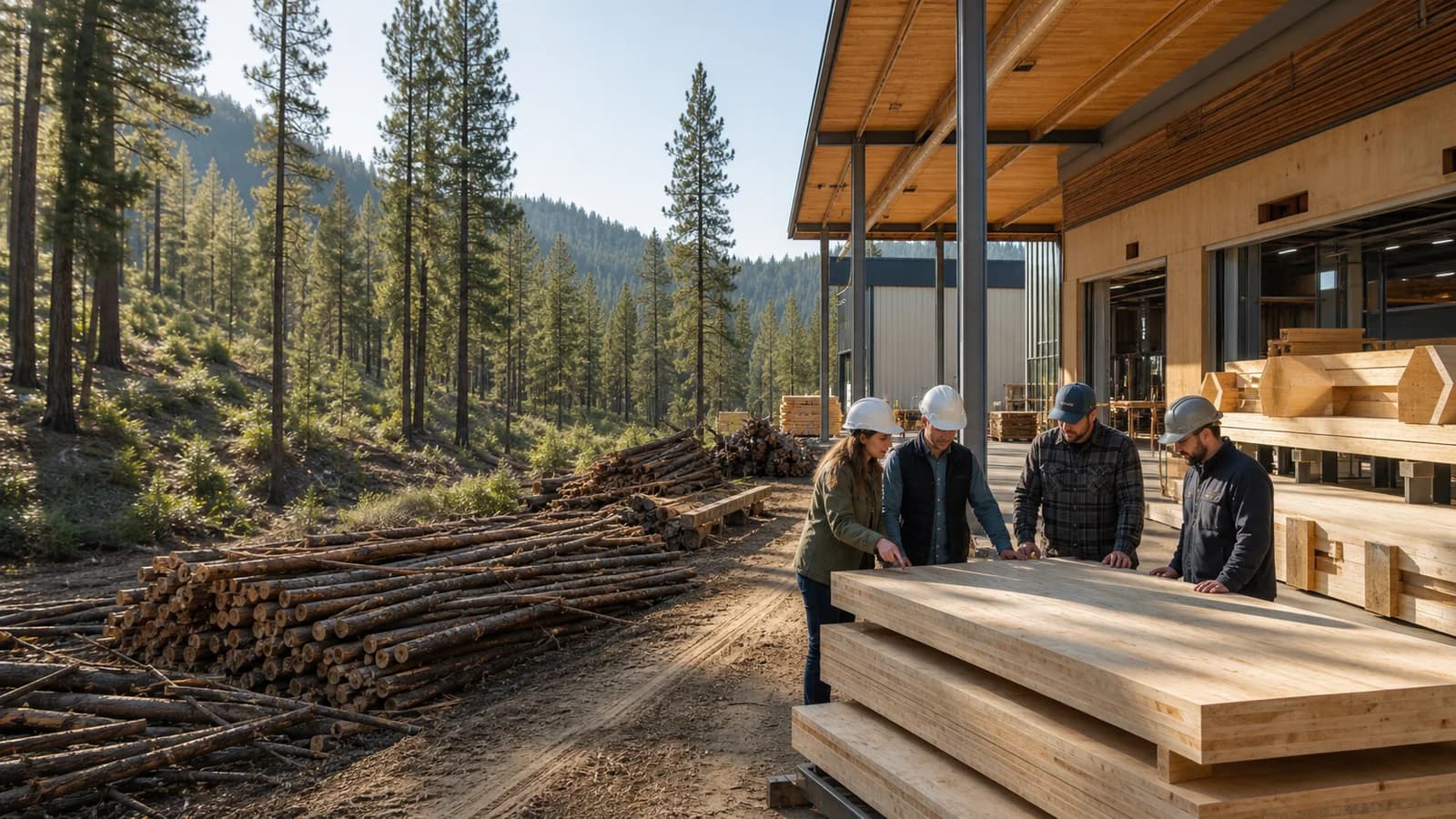
The connection is strategic. California needs more resilient forests and stronger markets for wood removed through restoration and fuel-reduction work. At the same time, the state imports much of the engineered wood used in construction and has limited local CLT and glulam capacity. The coalition aims to connect these two gaps without pretending that one automatically solves the other.
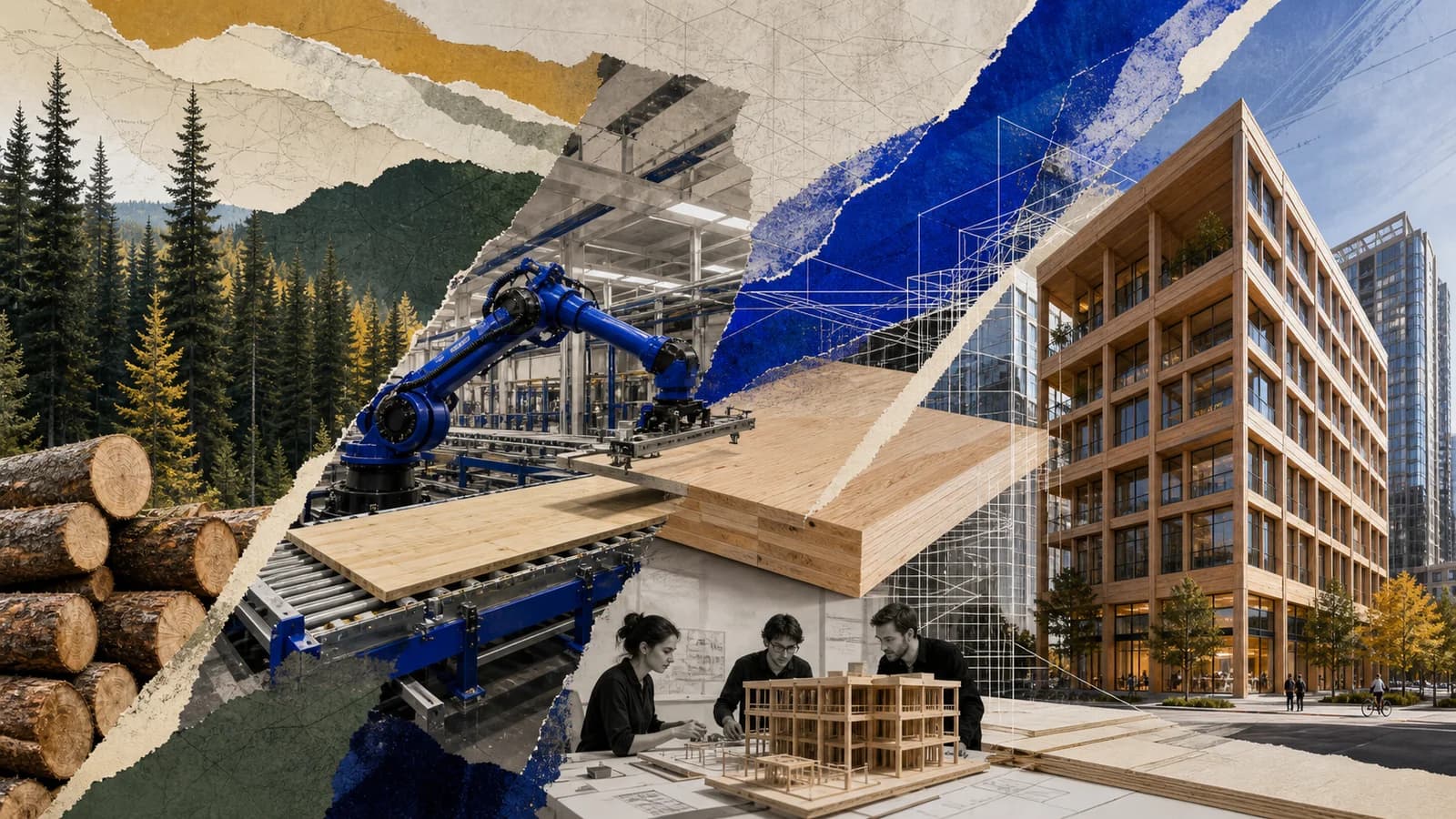
From forest treatment to construction product
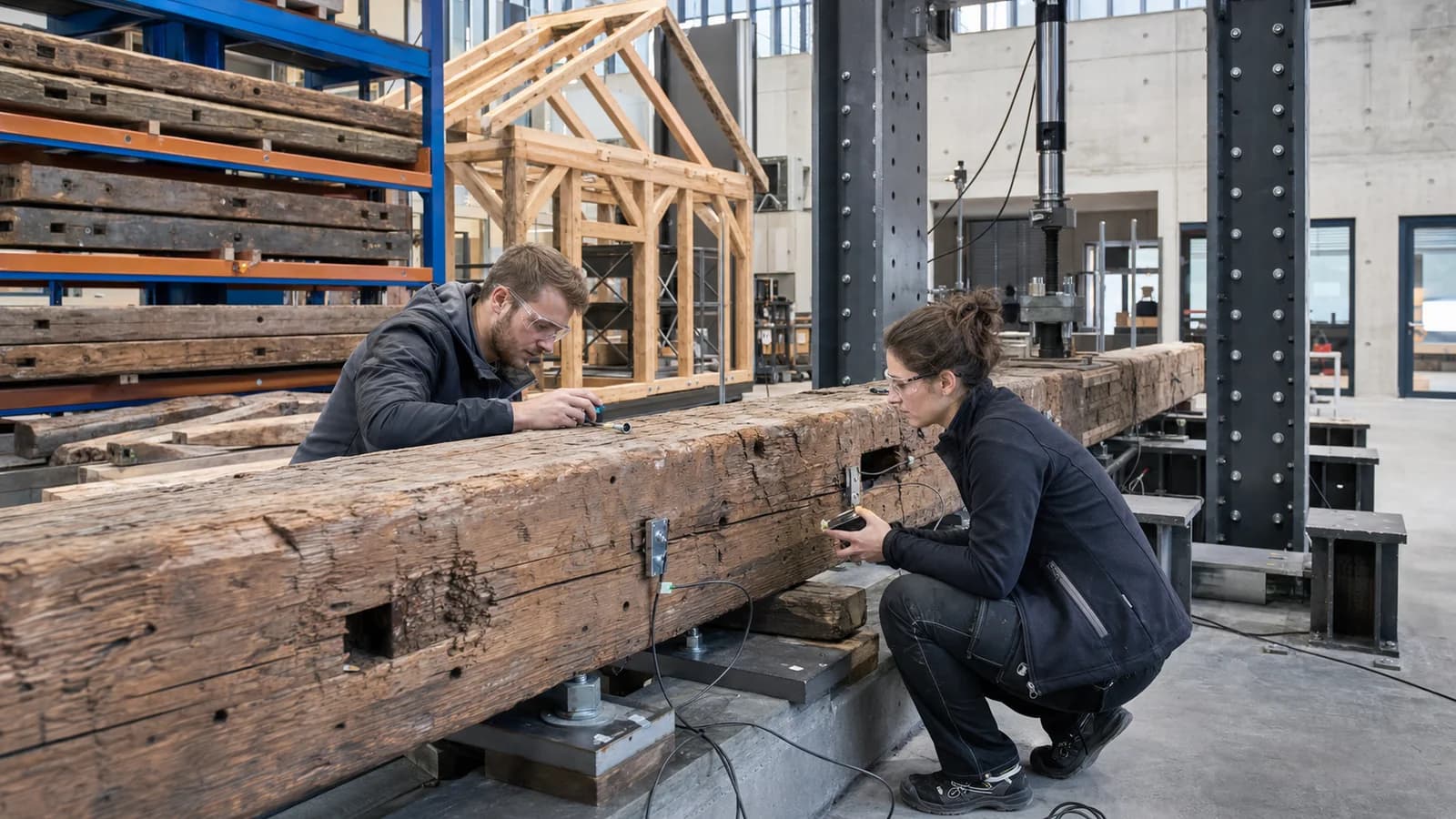
Reducing hazardous fuels can generate large volumes of woody material, but structural products require consistent species, dimensions, strength grades, moisture control and certified manufacturing. Some restoration material may be suitable for engineered wood; some will be better used for other products or energy. A credible strategy needs sorting, logistics, processing and testing infrastructure across the whole value chain.
Mass timber can create a higher-value market for appropriate material and help make forest management financially more viable. Local production can also shorten transport distances, build rural employment and improve supply certainty for California projects.
The coalition’s programme spans market development, manufacturing, codes and policy, workforce skills, research and demonstration projects. Its statewide structure matters because previous efforts were often regional or sector-specific. Architects, foresters and manufacturers now have a forum to align demand forecasts, resource information and investment needs.
Wildfire mitigation is not a single-material claim
It would be inaccurate to say that constructing a timber building directly prevents a wildfire. Risk reduction depends on treatment priorities, landscape conditions, funding, long-term maintenance and community protection. The coalition’s logic is that durable markets can support more consistent forest-health work by giving suitable removed material an economic destination.
Buildings also have their own fire-safety obligations. Using mass timber requires tested assemblies, compartmentation, connection design, protection strategies and compliance with applicable codes. Forest fire and building fire are related through the material supply chain, but they remain different engineering problems.
Why a digital chain of information matters
The initiative creates a need for traceability from forest and product certification through design, procurement and fabrication. Project teams must know what material is specified, where it can be sourced, how much is required and whether regional capacity can deliver it.
Digital timber models can connect component geometry with quantities, grades, product types and sourcing evidence. This gives manufacturers an earlier demand signal and lets designers test whether a local or hybrid solution is realistic before tender. Cut lists and project reports can carry verified material attributes rather than relying on disconnected spreadsheets.
California’s coalition will be judged by practical outcomes: operating manufacturing capacity, approved projects, resilient supply chains and measurable forest treatment. Its importance today is that it frames mass timber as infrastructure linking urban construction with rural landscapes—not simply as a low-carbon architectural aesthetic.
Sources: California Wildfire & Forest Resilience Task Force, “California Launches First Statewide Mass Timber Coalition,” 11 June 2026; California Wildfire & Forest Resilience Task Force, Wood Utilization programme information; California Board of Forestry and Fire Protection announcements.