USDA Backs Timber Production with $115.2 Million Across Eight States
Federal loan guarantees announced in March 2026 will support sawmills and wood processors while linking rural manufacturing to forest restoration and wildfire risk reduction.
The US Department of Agriculture has announced $115.2 million in guaranteed loans to expand timber production and wood processing across eight states.
The March 2026 package supports projects in California, Idaho, Kansas, Louisiana, Maine, Oklahoma, Virginia and Wisconsin. The investment is being made through the Timber Production Expansion Guaranteed Loan Program.
These are loan guarantees, not direct grants. The distinction matters, but the policy signal is still strong: federal agencies want more processing capacity for material generated by forest restoration and wildfire-risk reduction.
Why sawmill capacity matters
Removing small-diameter trees and other excess material can reduce hazardous forest fuels, but treatment projects need viable markets. Without nearby processors, low-value logs may be too expensive to transport and use.
USDA says the financing will help establish, reopen, expand or improve sawmills and wood-product facilities. Examples include a $12.3 million guaranteed loan supporting sawmill operations connected to Oklahoma and Mississippi, and an $800,000 investment in a Wisconsin sawmill.
More regional capacity could strengthen the supply chain for lumber, engineered products and biomass while creating rural manufacturing jobs.
The connection to construction
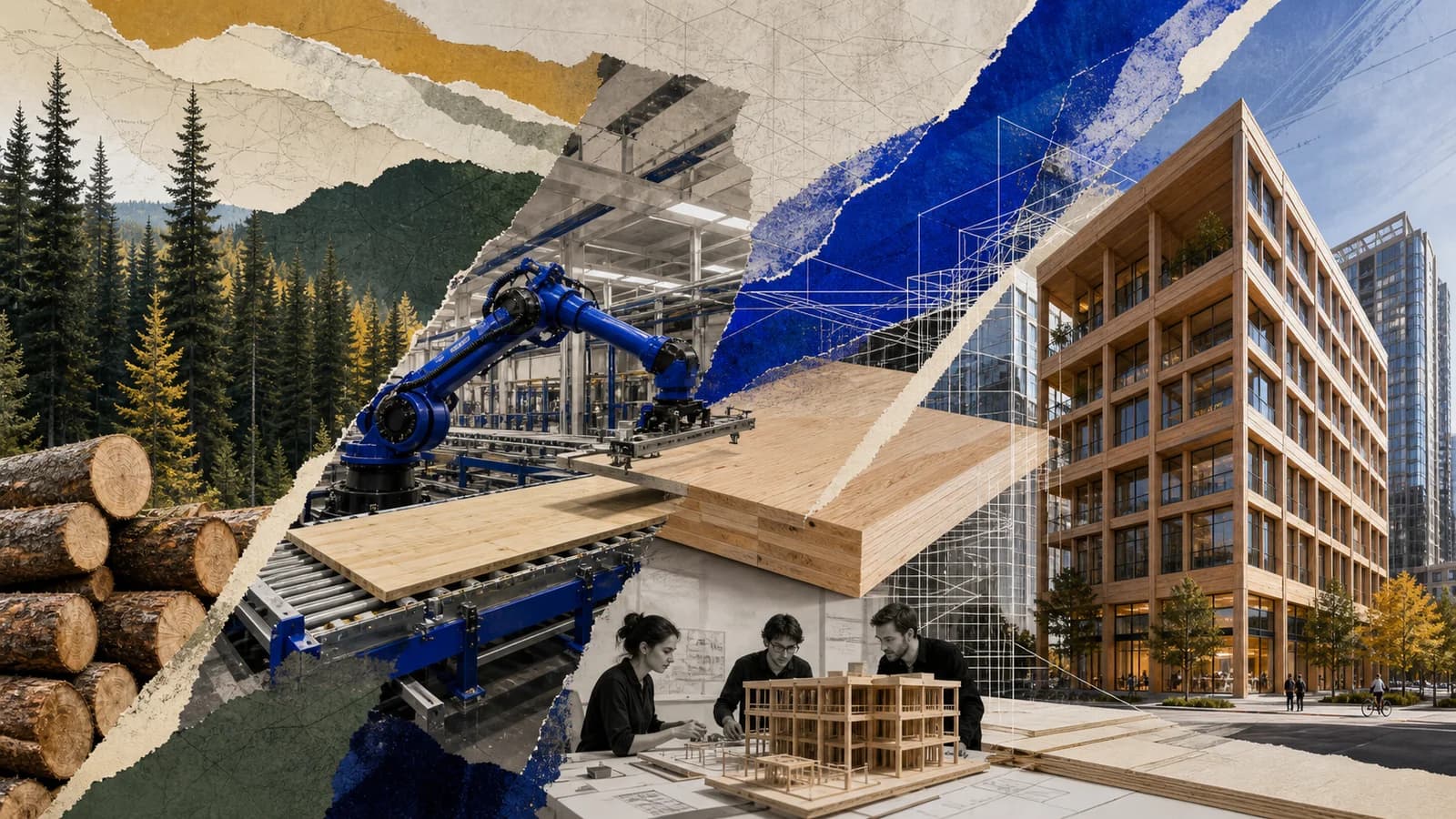
Not every log removed during forest treatment can become a structural product. Species, dimensions, grading and defects determine the best use. However, better sorting, drying, scanning and manufacturing can turn a larger share of regional material into useful building components.
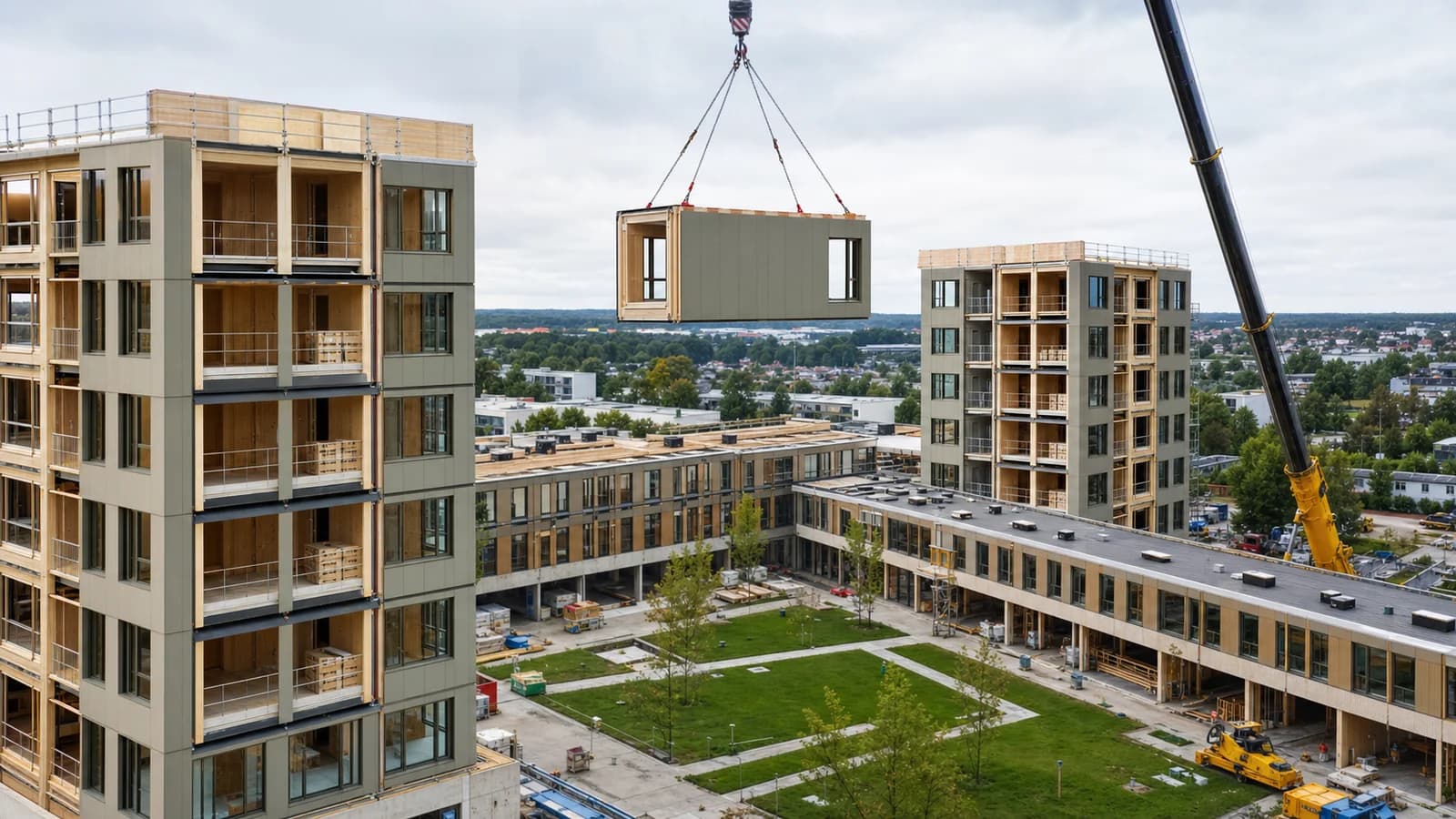
That is where construction technology becomes important. Digital inventories can connect available species and grades to suitable assemblies. Design tools can optimize components around regional supply instead of defaulting to products transported from far away.
The investment does not guarantee an immediate increase in mass-timber capacity, and each financed business has its own products and markets. It does address a fundamental bottleneck: buildings cannot use local wood at scale without local processing.
For architects and timber manufacturers, the 2026 programme is worth watching state by state. The strongest opportunities may emerge where forest management, modern mills and repeatable building systems develop together.
Source: USDA Rural Development, “USDA Announces $115.2 Million Investment to Expand Timber Production and Enhance Forest Health in Eight States”, 23 March 2026: https://www.rd.usda.gov/newsroom/news-release/usda-announces-1152-million-investment-expand-timber-production-and-enhance-forest-health-eight